UM GUIA PARA O SMART

Saiba porque é que a SMART é líder na indústria da terapia laser de alta energia

RECURSOS

Soluções baseadas na investigação para o tratamento da dor

Conhecimento profundo dos nossos princípios técnicos, direção de aplicação e investigação profissional

Class IV Laser Therapy is becoming an advanced option for massage therapy clinics looking to expand recovery and wellness services. This article explains how photobiomodulation technology can complement manual massage techniques by supporting cellular activity, tissue recovery, and personalized wellness programs.
Explore how Class IV Laser Therapy supports modern chronic wound care through photobiomodulation technology. Learn how high-power laser energy, cellular support, and non-invasive approaches are being integrated into professional wound management for different tissue recovery needs.
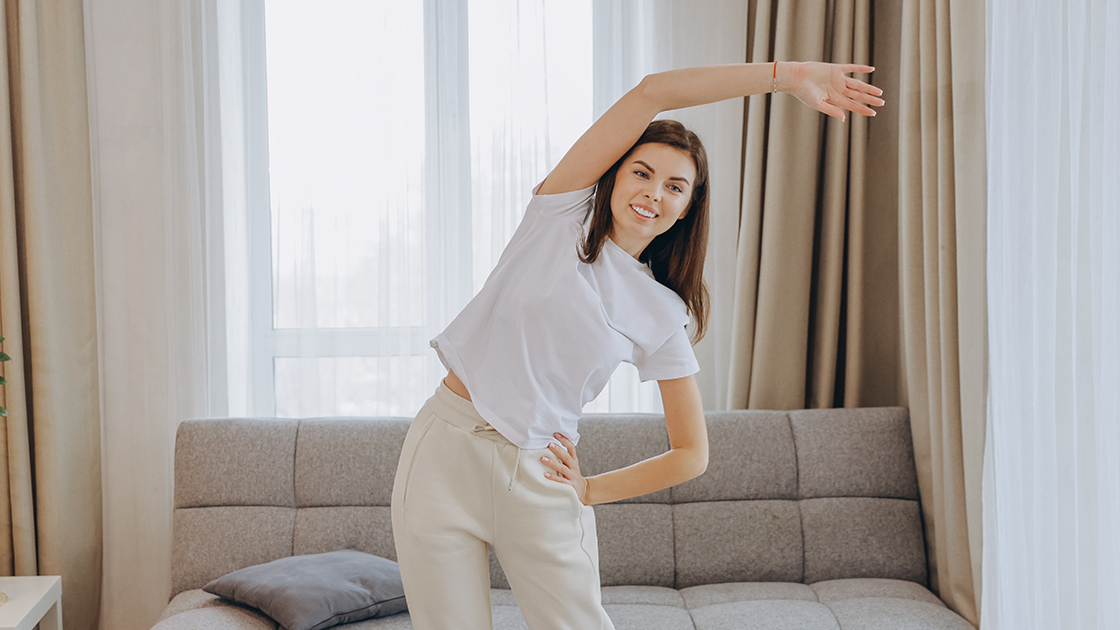
This article explores how Class IV Laser Therapy supports postpartum wellness by focusing on muscle recovery, back and shoulder comfort, and personalized rehabilitation approaches for new mothers. It explains the role of photobiomodulation technology in modern postpartum care and how advanced laser solutions can complement professional recovery programs.
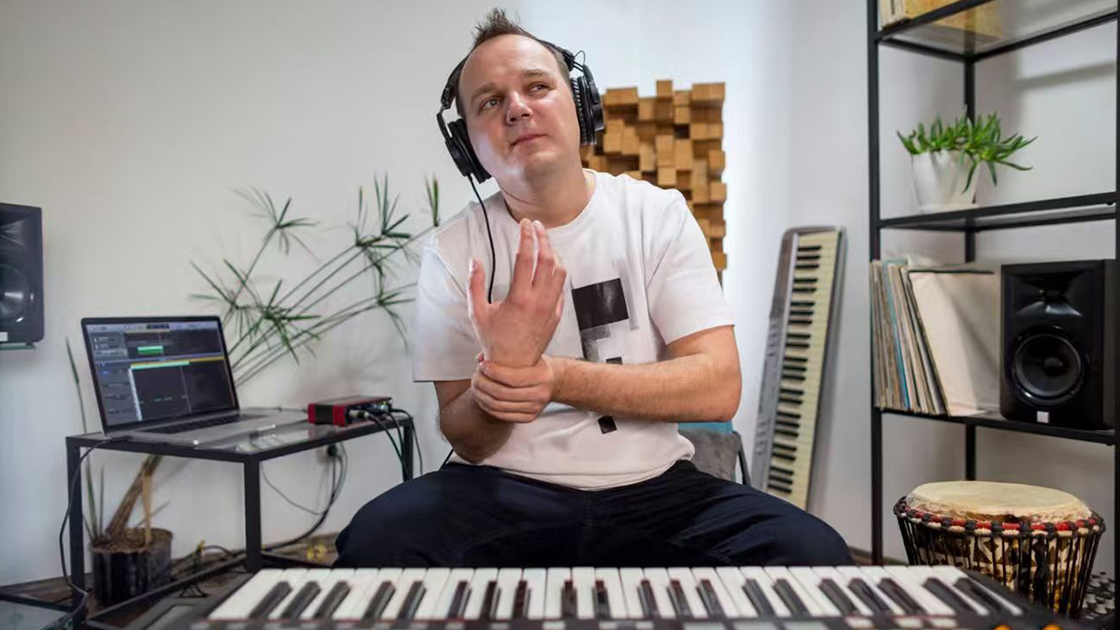
This article explores how Class IV Laser Therapy supports musicians by focusing on hand, wrist, shoulder, and upper-body wellness. It explains how high-power laser technology and photobiomodulation principles can be integrated into performance wellness routines for guitarists, pianists, drummers, and other musicians.
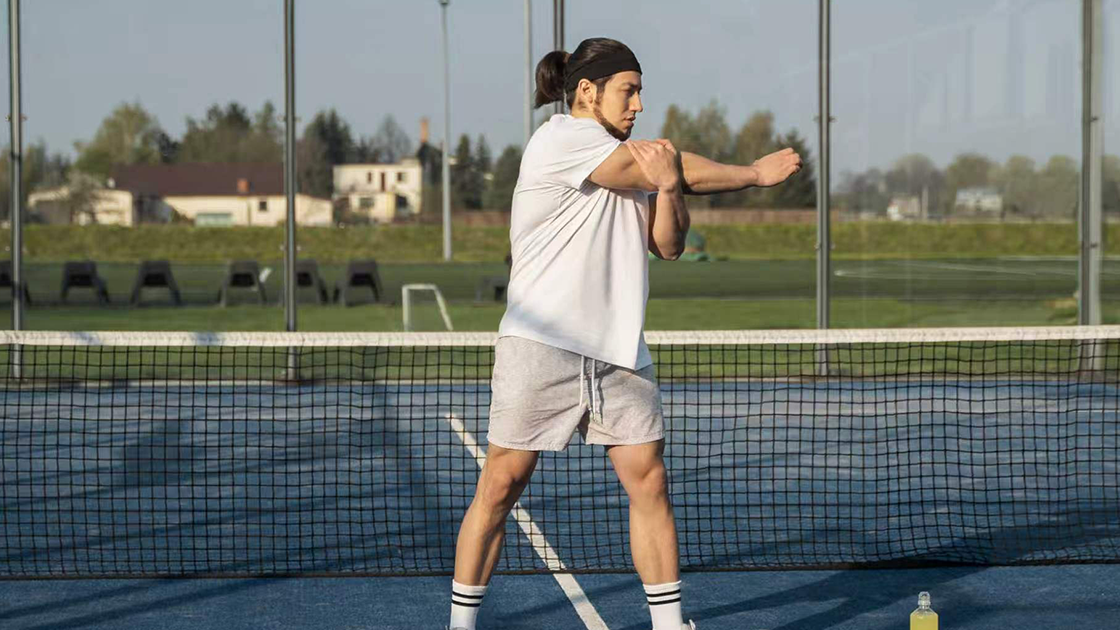
This blog explores how Class IV Laser Therapy may support pickleball players experiencing sports-related discomfort, including tennis elbow, shoulder strain, knee soreness, and muscle fatigue. It explains the science behind laser therapy, its role in sports recovery, and how it can complement rehabilitation strategies to help maintain mobility and active
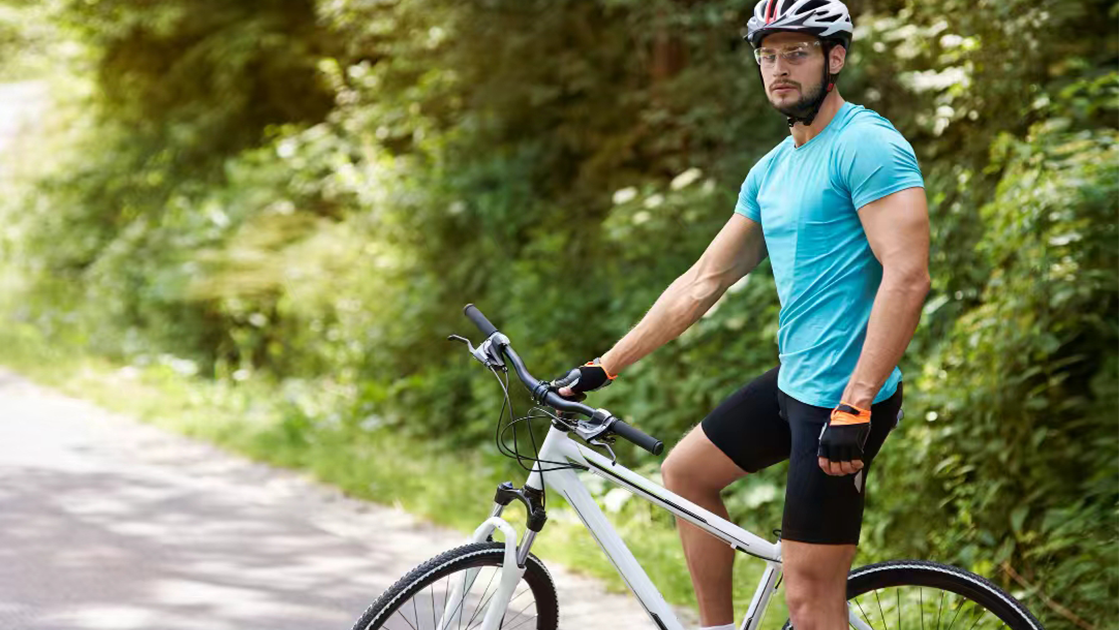
This article explores how Class IV Laser Therapy supports cycling recovery by focusing on muscle comfort, mobility, and physical wellness after long-distance riding. It explains how photobiomodulation technology can complement traditional recovery routines for cyclists, with applications related to common cycling stress areas such as the knees, hips, lower back,