

ページ内容
はじめに
Musicians, from pianists to violinists and guitarists, often face repetitive strain injuries (RSI) due to the intensive, repetitive motions required in their profession. These injuries typically affect the hands, wrists, and forearms, causing discomfort, reduced dexterity, and long-term functional issues. Traditional treatments such as oral medications, physical therapy, or corticosteroid injections provide some relief but often fall short of addressing the root causes effectively. クラスIVレーザー治療 has emerged as a non-invasive solution capable of penetrating deeper tissue layers to promote healing, reduce inflammation, and accelerate recovery. This article explores how Class IV laser therapy works, its advantages over conventional treatments, and practical guidance for musicians seeking safe and effective pain management and functional restoration.
1. Understanding Repetitive Strain Injuries in Musicians
Musicians are particularly susceptible to RSI due to prolonged practice sessions and repetitive hand and wrist movements. Early understanding of the causes and warning signs is crucial for timely intervention.
1.1 Common Causes Among Instrumentalists
Musicians often engage in repetitive finger and wrist movements that strain tendons, ligaments, and muscles. Pianists may experience tension from extended periods of scale practice, while guitarists and violinists frequently develop overuse injuries in their fingers and forearms. Poor posture and improper ergonomics exacerbate these issues, leading to cumulative trauma over time. Additionally, rapid or forceful movements, such as fast fingering techniques, place additional stress on delicate musculoskeletal structures. Recognizing these occupational hazards is the first step toward proactive injury prevention and management.
1.2 Symptoms and Early Warning Signs
RSI manifests through a variety of symptoms, including persistent pain, stiffness, swelling, tingling, and numbness in the hands, wrists, or forearms. Musicians may notice a decline in finger dexterity, reduced grip strength, or difficulty executing complex passages. Early identification of these warning signs is critical; ignoring them can result in chronic tendonitis, carpal tunnel syndrome, or long-term functional impairment. Timely intervention through conservative measures or advanced therapies like Class IV laser can prevent progression and allow musicians to continue performing safely.
2. How クラスIVレーザー治療 作品
Class IV laser therapy provides a targeted approach to treat RSI by delivering high-intensity light energy to affected tissues. Understanding its mechanism and benefits is essential for evaluating its effectiveness.
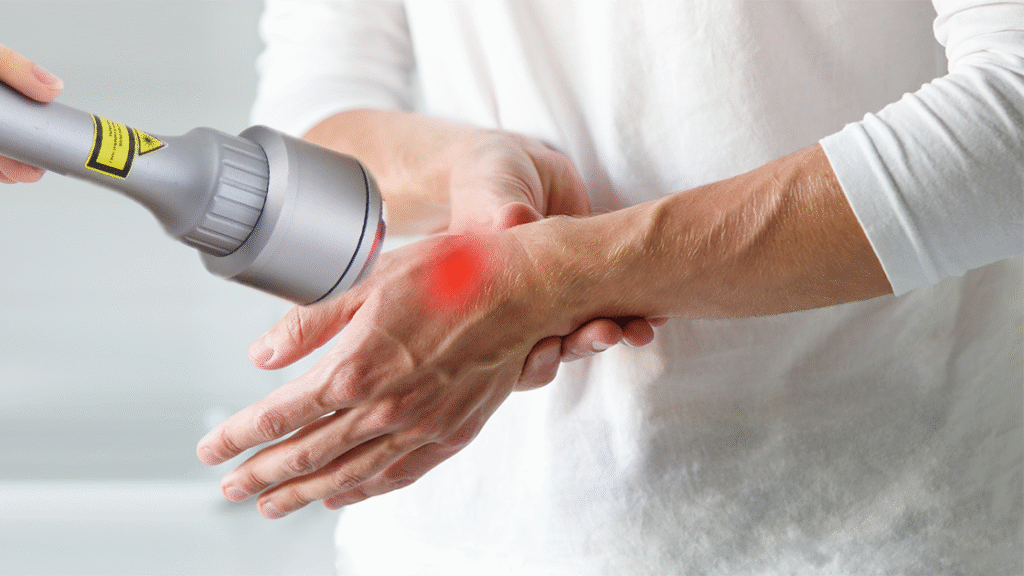
2.1 作用メカニズム
Class IV lasers emit concentrated light that penetrates deep into musculoskeletal tissues, producing a combination of photothermal and photochemical effects. The laser energy stimulates increased blood flow, enhances oxygen delivery, and activates cellular metabolism. This process accelerates tissue repair, promotes collagen synthesis, and reduces inflammation. By modulating pain pathways at the cellular level, Class IV laser therapy provides both immediate analgesic effects and long-term tissue regeneration. Its deep penetration distinguishes it from lower-class lasers, allowing effective treatment of deeper tendons, ligaments, and muscles involved in repetitive strain injuries.
2.2 Benefits Over Traditional Treatments
Compared to oral medications, corticosteroid injections, or standard physical therapy, Class IV laser therapy offers multiple advantages. It is non-invasive and does not introduce systemic drugs, reducing the risk of side effects such as gastrointestinal irritation or immune suppression. Treatments can be repeated safely without downtime, making it suitable for professional musicians with demanding schedules. Moreover, the laser’s ability to stimulate natural healing processes addresses the underlying tissue damage rather than merely masking symptoms, promoting sustainable pain relief and functional restoration.
3. Treatment Protocols for Musicians
Effective treatment requires structured protocols tailored to the musician’s injury severity, instrument, and practice demands.
3.1 Session Frequency and Duration
A typical Class IV laser therapy program involves multiple sessions, often 2–3 times per week initially, with each session lasting between 10 and 20 minutes depending on the area and intensity of treatment. Musicians with more severe RSI may require a longer treatment course, while minor strains may respond within a few weeks. Individualized protocols allow clinicians to adjust parameters such as laser power, duration, and targeted tissue area, ensuring maximal therapeutic benefit while minimizing discomfort. Consistent adherence to the treatment plan is key to achieving sustained pain relief and tissue healing.
3.2 Combining Laser Therapy with Exercises
For optimal recovery, Class IV laser therapy is often combined with hand and wrist exercises. Stretching routines enhance flexibility, while strengthening exercises rebuild muscular support around the affected tendons and joints. Ergonomic adjustments to instrument technique, posture, and practice schedules further reduce stress on vulnerable areas. This integrated approach accelerates rehabilitation, reduces the likelihood of re-injury, and enables musicians to maintain or improve performance quality while supporting long-term musculoskeletal health.
4. Expected Results and Recovery
Understanding the timeline and expected outcomes helps musicians set realistic expectations and plan practice schedules around therapy.
4.1 Short-Term Pain Relief
Many patients report noticeable pain reduction within 1–2 weeks of treatment. The analgesic effect is due to the laser’s ability to decrease nerve sensitivity and reduce inflammation. Musicians can often resume playing with less discomfort, although gradual reintroduction of intensive practice is recommended. Short-term improvements include reduced swelling, improved joint mobility, and increased comfort during finger and wrist movements, enabling early return to performance without risking further injury.
4.2 Long-Term Hand Function Improvement
Over the course of a full treatment program, Class IV laser therapy promotes tendon and ligament repair, enhances joint flexibility, and restores overall hand and wrist function. Regular therapy, combined with proper exercises and ergonomic modifications, significantly decreases the likelihood of recurring RSI. Musicians can regain fine motor control, endurance for long practice sessions, and the dexterity required for complex performances. Commitment to both therapy and ongoing preventive care ensures sustainable benefits and supports professional longevity.
5. FAQs
Is Class IV laser therapy safe for all musicians?
Yes, when administered by trained clinicians, it is safe for all age groups and most professional musicians. Adjustments are made for skin type, injury severity, and underlying health conditions.
How many sessions are usually needed for noticeable relief?
Typically, 6–12 sessions are recommended, depending on the severity of the injury and individual response.
Can it completely prevent future injuries?
While laser therapy accelerates healing and strengthens tissues, prevention also relies on proper technique, exercises, and ergonomic practices.
Are there any side effects or downtime?
Side effects are minimal, sometimes including mild redness or temporary warmth at the treatment site. No downtime is usually required.
Can it be combined with other therapies like physiotherapy or acupuncture?
Yes, combining therapies can enhance overall outcomes by addressing both symptom relief and underlying biomechanical issues.
結論
Class IV laser therapy represents a powerful, non-invasive solution for musicians suffering from hand and wrist repetitive strain injuries. By addressing both pain and underlying tissue damage, it offers rapid relief and supports long-term functional recovery. Early intervention, adherence to treatment protocols, and integration with exercises and ergonomic adjustments are essential for maximizing benefits. Musicians incorporating Class IV laser therapy into their rehabilitation routines can maintain performance quality while reducing the risk of chronic injury, ultimately supporting career longevity and overall musculoskeletal health.
References
Repetitive Strain Injury in Musicians – Medical Problems of Performing Artists
https://www.mpmajournal.org/article/RSI-musicians
Class IV Laser Therapy for Soft Tissue Injuries – Lasers in Surgery and Medicine
https://onlinelibrary.wiley.com/doi/abs/10.1002/lsm.23456
Laser Therapy in Occupational Pain Management – Journal of Clinical Laser Medicine & Surgery
 English
 العربية
 Français
 日本語
日本語 Português
 Español
 Русский
 Deutsch