

ページ内容
はじめに
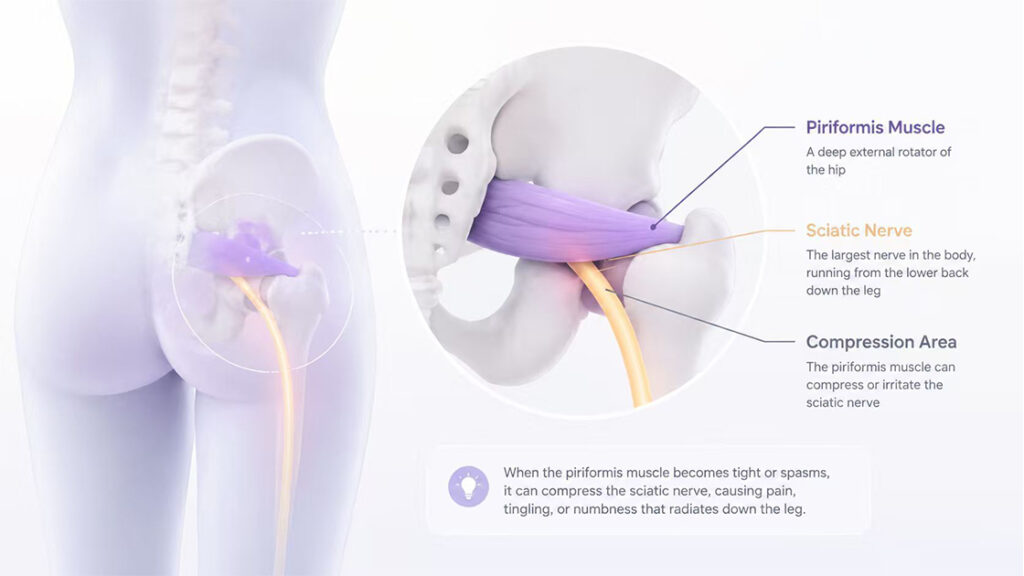
A deep, nagging ache in the buttock that radiates down the back of the leg. Pain that worsens after sitting for long periods, making it difficult to stay comfortable at a desk or in a car. For many individuals, these symptoms point to piriformis syndrome, a condition where a small muscle deep in the buttock irritates the sciatic nerve. This muscle, the piriformis, lies beneath the larger gluteal muscles and plays an essential role in hip rotation and stability. When it becomes tight, spasms, or becomes inflamed, it can compress or irritate the sciatic nerve, producing pain that mimics sciatica. Conventional approaches often include stretching, anti-inflammatory medications, and in some cases, injections. While these methods can provide temporary relief, many individuals continue to experience persistent discomfort. For those seeking a non-invasive, drug-free option that targets the underlying muscle dysfunction, クラスIVレーザー治療 offers a promising alternative. This treatment uses specific wavelengths of light to penetrate deep into the tissue, addressing inflammation and supporting the body’s natural healing processes.
1. Understanding Piriformis Syndrome
The piriformis muscle runs from the sacrum, the triangular bone at the base of the spine, to the top of the femur. It passes directly over the sciatic nerve in many people. When the muscle becomes tight or spasms, it can compress the nerve, leading to pain, tingling, and numbness that radiates down the leg. The piriformis muscle can irritate or compress the sciatic nerve, especially during prolonged sitting, repetitive hip rotation, or muscular imbalance.
1.1 Symptoms and Diagnosis
The hallmark symptom of piriformis syndrome is pain in the buttock that may radiate down the back of the thigh and into the calf. This pain often worsens with prolonged sitting, climbing stairs, or activities that involve hip rotation. Some individuals also experience tingling or numbness in the leg, similar to sciatica caused by spinal issues.
Diagnosing piriformis syndrome can be challenging because its symptoms overlap with other conditions, such as lumbar radiculopathy. Physicians typically rely on a combination of patient history, physical examination, and specific tests designed to reproduce the pain. The FAIR test, which involves flexing, adducting, and internally rotating the hip, often elicits pain in individuals with piriformis syndrome. Researchers estimate that piriformis syndrome is responsible for between 0.3% and 6% of all cases of low back pain and sciatica.
1.2 Causes and Risk Factors
Several factors can contribute to the development of piriformis syndrome. Prolonged sitting, especially with poor posture, can shorten and tighten the piriformis muscle. Repetitive activities that involve hip rotation, such as running, cycling, or certain sports, can also lead to muscle overuse. Muscular imbalances, where some muscles are stronger or tighter than others, can alter movement patterns and place additional stress on the piriformis. Trauma to the buttock area, such as a fall or direct impact, can also trigger the condition.
2.クラスIVレーザー治療の仕組み
Class IV laser therapy, also known as high-intensity laser therapy, uses specific wavelengths of light to penetrate deep into the tissue. Unlike lower-class lasers that primarily affect superficial tissues, Class IV devices can reach the deeper structures where the piriformis muscle and sciatic nerve reside. This deeper penetration is essential for treating a muscle that lies beneath the larger gluteal muscles.
2.1 Photobiomodulation at the Cellular Level
The core mechanism of Class IV laser therapy is photobiomodulation. When specific wavelengths of light penetrate the tissue, they interact with mitochondria within the cells. Mitochondria absorb this light energy through a key enzyme called cytochrome c oxidase. This absorption enhances the production of adenosine triphosphate (ATP), the primary energy carrier in cells. Higher ATP availability supports essential cellular functions, including protein synthesis, membrane transport, and waste removal. This cellular energy boost helps shift the tissue from a chronic, dysfunctional state toward an active repair phase.
2.2 Reducing Inflammation and Muscle Spasm
Class IV laser therapy also influences the inflammatory environment within the muscle. The laser energy reduces the activity of pro-inflammatory enzymes and mediators, helping to calm the inflammation that often accompanies piriformis syndrome. This modulation of the inflammatory response allows the muscle to relax and reduces the pressure on the sciatic nerve. The therapy also promotes the formation of new capillaries within the vascular system, allowing oxygen and key nutrients to reach damaged tissue more quickly. Enhanced circulation supports the delivery of healing factors to the muscle while carrying away metabolic waste products that accumulate in tight, spasming tissue.
2.3 Pain Modulation and Nerve Function
The analgesic effects of Class IV laser therapy involve modulation of nerve signaling. The laser energy can influence how pain receptors transmit signals to the spinal cord and brain, effectively reducing the perception of pain without the use of pharmaceuticals. Additionally, the therapy may help restore normal nerve function by reducing the irritation and compression caused by the tight piriformis muscle. This dual effect, addressing both the muscle dysfunction and the nerve irritation, makes Class IV laser therapy particularly suitable for piriformis syndrome.
3. Clinical Evidence for Piriformis Syndrome
A growing body of evidence supports the use of high-intensity laser therapy for piriformis syndrome. Case studies and clinical research have demonstrated that this treatment can effectively mitigate pain and enhance patient outcomes.
3.1 Case Study Evidence
A published case study involving a patient with right hip pain demonstrated the potential of laser therapy for piriformis syndrome. The patient received laser treatment and experienced significant improvement in pain levels and functional mobility. While case studies provide valuable insights, they represent individual experiences rather than large-scale clinical trials. However, they offer encouraging evidence for individuals considering this treatment option.
3.2 Integration with Other Therapies
Research has also explored the effectiveness of combining high-intensity laser therapy with other interventions. A study published in 2025 examined the effects of shoe lift insertion combined with high-intensity laser therapy on reducing pain intensity in patients with piriformis myofascial pain and functional leg length disparity. The study highlighted that high-intensity laser therapy is a noninvasive modality for treating piriformis syndrome, though correction of leg length with a shoe lift may also be necessary as an adjunctive treatment. This research suggests that laser therapy can work effectively alongside other conservative approaches.
3.3 Why Class IV Lasers Are Particularly Suited
The depth of penetration offered by Class IV lasers is particularly important for treating piriformis syndrome. The piriformis muscle lies beneath the gluteus maximus and other structures, making it difficult for superficial treatments to reach effectively. Class IV devices overcome this limitation, providing sufficient energy to reach the deep muscle where the problem originates. This deeper penetration, combined with the non-invasive nature of the treatment and absence of pharmaceutical side effects, makes Class IV laser therapy valuable for individuals seeking alternatives to medication or injections.
4. What Patients Can Expect from Treatment
For individuals considering Class IV laser therapy for piriformis syndrome, understanding the typical course of treatment helps set realistic expectations.
4.1 The Treatment Experience
A typical Class IV laser session for the piriformis muscle lasts between five and fifteen minutes. The patient lies comfortably while the practitioner positions the applicator over the buttock area, targeting the deep muscle. Most individuals describe the sensation as a gentle warmth or mild tingling. The treatment requires no anesthesia, and patients can return to their normal activities immediately afterward.
4.2 Number of Sessions and Timeline
The number of sessions varies depending on the severity of the condition and the individual’s response to treatment. Some patients notice improvement after a few sessions, while others benefit from a longer series. A typical course of treatment may involve multiple sessions over several weeks. The full effect of the therapy often becomes apparent over time, as tissue healing and muscle relaxation take place.
4.3 Integrating with Self-Care Strategies
Class IV laser therapy works most effectively when patients also address the factors that contributed to their piriformis syndrome. Stretching the piriformis and surrounding hip muscles helps maintain flexibility and reduce tension. Strengthening the gluteal and core muscles creates better stability around the hip, reducing the compensatory load on the piriformis. Taking frequent breaks from prolonged sitting and adjusting posture can also help prevent recurrence.
5. Long-Term Strategies for Hip Health
Preventing piriformis syndrome from recurring requires attention to the factors that contribute to muscle tightness and imbalance.
5.1 Stretching and Mobility Work
Regular stretching of the piriformis, hamstrings, and hip flexors helps maintain flexibility and reduce tension in the hip region. Simple exercises, such as the seated piriformis stretch or the figure-four stretch, can be performed daily to keep the muscle relaxed. Incorporating hip mobility work into a weekly routine helps maintain the range of motion needed for comfortable movement.
5.2 Strengthening Supporting Muscles
Strong gluteal and core muscles provide stability for the hip and pelvis, reducing the load on the piriformis. Exercises such as glute bridges, clamshells, and single-leg stands can build strength in the supporting muscles. A balanced approach that includes both strengthening and stretching supports the hip’s ability to function without placing excessive strain on the piriformis.
5.3 Posture and Ergonomics
Prolonged sitting remains one of the most common triggers for piriformis syndrome. Using a chair with good lumbar support, taking frequent breaks to stand and walk, and adjusting posture while sitting can all reduce the stress on the piriformis muscle. For individuals who sit for long periods at work, using a cushion that reduces pressure on the buttock area may also provide additional support.
FAQ
Q1: Is Class IV laser therapy painful for piriformis syndrome?
Most individuals describe a gentle warmth or mild tingling sensation during treatment. The procedure is generally comfortable and brief.
Q2: How many sessions does a patient typically need?
The number varies. Some patients notice improvement after a few sessions, while others benefit from a longer series. A typical course may involve several sessions over a few weeks.
Q3: Can I continue my normal activities during treatment?
Yes. The treatment requires no downtime, and patients can return to their normal activities immediately after each session.
Q4: How soon after treatment will I feel less pain?
Some patients notice reduced discomfort within a few sessions. The most noticeable improvement often takes several weeks to appear as the muscle relaxes and tissue heals.
Q5: Does Class IV laser therapy work for all types of piriformis syndrome?
Class IV laser therapy shows promise for piriformis syndrome associated with muscle tightness and inflammation. A thorough evaluation helps determine if it is an appropriate option for your specific condition.
結論
Piriformis syndrome can turn simple activities like sitting or walking into a source of persistent pain. The deep ache that radiates down the leg can disrupt work, sleep, and daily life. For individuals who have tried stretching, medication, or other measures without lasting relief, Class IV laser therapy offers a non-invasive, drug-free option that targets the underlying muscle dysfunction. By reducing inflammation, promoting muscle relaxation, and supporting tissue healing, the therapy addresses both the muscle tightness and the nerve irritation that drive the condition. When combined with sensible stretching, strengthening, and postural strategies, Class IV laser therapy may help individuals manage their symptoms and return to the activities they enjoy.
References
JCDR – LASER Therapy for Piriformis Syndrome
Rachmawati MR, Chahyani WI, Hartati NT – The Effectiveness of Shoe Lift Insertion and High-Intensity Laser Therapy on Reducing Pain Intensity in Piriformis Myofascial Pain with Functional Leg Length Disparity. Journal of the Indonesian Medical Association, 2025.
Class IV Laser Therapy for Sciatic Nerve Compression
 English
 العربية
 Français
 日本語
日本語 Português
 Español
 Русский
 Deutsch