

ページ内容
はじめに
Class IV laser therapy has become an increasingly popular non-invasive treatment option in pain management, physical rehabilitation, and musculoskeletal care. By delivering high-power therapeutic laser energy into deep tissues, this technology supports inflammation reduction, cellular repair, and improved circulation. However, despite its broad range of applications, it is not universally appropriate for every individual.
Understanding who is a good candidate for クラスIVレーザー治療 is essential for achieving optimal outcomes, maintaining safety, and setting realistic expectations. This article explores the types of patients who may benefit most, situations where caution is required, and how clinicians determine whether this advanced laser treatment is appropriate for a given condition.
1. Understanding Class IV Laser Therapy
1.1 What Makes Class IV Laser Therapy Different
Class IV laser therapy refers to therapeutic lasers with a power output greater than 500 milliwatts. Unlike low-level laser therapy (LLLT), this systems are capable of delivering higher energy doses in shorter treatment sessions while reaching deeper anatomical structures such as muscles, joints, and connective tissue.
This deeper penetration allows clinicians to target conditions that involve large muscle groups, joint capsules, and deeper soft tissue layers. Importantly, when used correctly by trained professionals, Class IV lasers remain non-invasive and controlled, offering therapeutic benefits without tissue damage.
1.2 How Class IV Laser Therapy Works in the Body
Class IV laser therapy operates through a biological process known as photobiomodulation. Laser photons are absorbed by chromophores within cells, particularly in the mitochondria. This absorption stimulates increased adenosine triphosphate (ATP) production, which enhances cellular energy availability.
As a result, the therapy can help regulate inflammatory pathways, improve microcirculation, and support tissue repair. These mechanisms form the scientific foundation for using this therapy in pain reduction, rehabilitation, and recovery-focused care.
2. Patients Who May Benefit Most from Class IV Laser Therapy
2.1 Individuals with Chronic Musculoskeletal Pain
Patients suffering from chronic musculoskeletal pain are often among the best candidates for this therapy. Conditions such as chronic lower back pain, neck stiffness, and persistent shoulder discomfort frequently involve inflammation, reduced circulation, and tissue degeneration.
By delivering laser energy to deep tissues, it can help modulate inflammation and improve local blood flow. For individuals whose pain has persisted despite rest, exercise, or conventional therapies, laser treatment may offer an additional layer of support aimed at improving comfort and mobility.
2.2 Patients with Soft Tissue Injuries
Soft tissue injuries, including muscle strains, ligament sprains, and tendon injuries, are common indications for this therapy. These injuries often involve microscopic tissue damage and inflammatory responses that slow the healing process.
Class IV laser therapy may support faster recovery by stimulating cellular repair processes and reducing localized swelling. This makes it particularly relevant for patients recovering from sports injuries, repetitive strain injuries, or work-related musculoskeletal trauma.
2.3 People with Joint Conditions
Individuals with joint-related conditions such as osteoarthritis, frozen shoulder, or degenerative knee pain may also be good candidates. These conditions are often characterized by chronic inflammation, stiffness, and reduced joint function.
While laser therapy does not reverse structural joint degeneration, it can support symptom management by addressing surrounding soft tissue inflammation and improving joint mobility. As part of a conservative treatment approach, Class IV laser therapy may help delay or reduce reliance on more invasive interventions.
3. Candidates Seeking Non-Drug Pain Management
An increasing number of patients are seeking alternatives to long-term medication use, making Class IV laser therapy an appealing option.
3.1 Patients Avoiding Long-Term Medication Use
Some individuals cannot tolerate long-term use of nonsteroidal anti-inflammatory drugs (NSAIDs) or other pain medications due to gastrointestinal, cardiovascular, or renal concerns. Others prefer to minimize pharmaceutical reliance altogether.
For these patients, Class IV laser therapy offers a drug-free approach to pain management. By targeting inflammation and supporting natural healing processes, laser therapy may help reduce discomfort without introducing systemic side effects.
3.2 Individuals Looking for Non-Invasive Options
Patients who are not candidates for surgery, or who wish to postpone surgical intervention, may also benefit from Class IV laser therapy. This includes individuals with chronic joint pain or soft tissue conditions who prefer conservative care.
Because the therapy is non-invasive and typically well tolerated, it fits well into treatment plans focused on maintaining function and quality of life without surgical risks or extended recovery periods.
4. Role of Class IV Laser Therapy in Rehabilitation
4.1 Post-Injury and Post-Surgical Recovery
During post-injury or post-surgical rehabilitation, controlling inflammation and supporting tissue repair are critical. This therapy may help reduce post-procedural swelling and discomfort while encouraging cellular regeneration.
When used appropriately, laser therapy can complement rehabilitation exercises by creating a more favorable environment for healing, potentially allowing patients to progress more comfortably through their recovery phases.
4.2 Integration with Physical Therapy or Chiropractic Care
Many physical therapists and chiropractic practitioners incorporate this therapy into their treatment protocols. Used alongside manual therapy, corrective exercises, or spinal adjustments, laser therapy can enhance overall treatment effectiveness.
This integrated approach allows clinicians to address both the symptoms and underlying functional limitations, making this therapy a valuable adjunct rather than a standalone solution.
5. Who May Not Be an Ideal Candidate
5.1 Contraindications and Safety Considerations
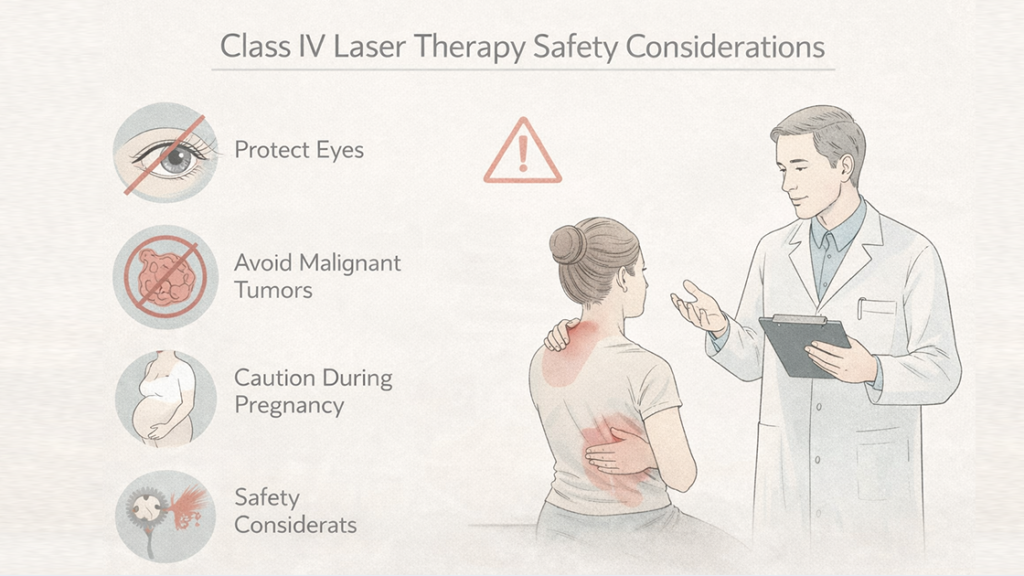
Laser therapy should not be applied directly over known malignant tumors, the eyes, or certain sensitive areas without proper shielding. Specific considerations are also required during pregnancy, particularly around the abdominal and pelvic regions.
Patients with certain medical conditions or implanted electronic devices should always undergo professional evaluation before starting treatment to ensure safety and appropriateness.
5.2 Importance of Professional Evaluation
Determining candidacy for this therapy requires clinical judgment. Factors such as diagnosis, severity of symptoms, overall health status, and treatment goals must all be considered.
A qualified healthcare provider can assess whether laser therapy aligns with the patient’s condition and design a treatment plan that maximizes benefit while minimizing risk.
6. What to Expect If You Are a Good Candidate
Understanding the treatment experience helps patients feel more confident and informed.
6.1 Typical Treatment Experience
During this therapy session, patients usually feel a gentle warming sensation as the laser is applied to the targeted area. Sessions typically last between 5 and 15 minutes, depending on the condition and treatment area.
The procedure is non-invasive, does not require anesthesia, and allows patients to return to normal activities immediately afterward.
6.2 Treatment Frequency and Expected Outcomes
The number of sessions required varies based on the condition being treated and individual response. Some patients notice improvement after a few sessions, while chronic conditions may require a longer treatment course.
Clinicians typically adjust treatment frequency and duration based on progress, ensuring that expectations remain realistic and outcomes are carefully monitored.
FAQ
Who is the best candidate for Class IV laser therapy?
Individuals with chronic pain, soft tissue injuries, or joint conditions seeking non-invasive treatment options are often good candidates.
Can older adults safely receive Class IV laser therapy?
Yes, when properly evaluated, older adults frequently tolerate laser therapy well and may benefit from its supportive effects.
Is Class IV laser therapy suitable for acute injuries?
It can be used in certain acute injury cases to help manage inflammation and discomfort, depending on clinical assessment.
Can Class IV laser therapy be combined with other treatments?
Yes, it is commonly integrated with physical therapy, chiropractic care, and other rehabilitation approaches.
How do clinicians determine candidacy?
Candidacy is determined through medical history review, physical examination, and evaluation of treatment goals.
結論
Class IV laser therapy is best suited for individuals seeking a non-invasive, drug-free option to support pain management, inflammation reduction, and tissue recovery. Patients with chronic musculoskeletal conditions, soft tissue injuries, or joint-related discomfort may experience meaningful benefits when therapy is applied appropriately.
Ultimately, professional evaluation is essential to determine whether this therapy aligns with an individual’s health status and goals. When used as part of a comprehensive care strategy, it can play a valuable role in improving comfort, function, and quality of life.
References
Hamblin MR. Mechanisms and applications of the anti-inflammatory effects of photobiomodulation.
https://pubmed.ncbi.nlm.nih.gov/26888687
Chow RT, et al. Efficacy of low-level laser therapy in the management of neck pain.
https://pubmed.ncbi.nlm.nih.gov/19302611
Smart Laser Therapy.
https://smartlasertherapy.com/class-iv-therapeutic-laser/
Bjordal JM, et al. A systematic review of low-level laser therapy for chronic joint disorders.
 English
 العربية
 Français
 日本語
日本語 Português
 Español
 Русский
 Deutsch