

Contenu des pages
Introduction
Across modern rehabilitation environments, clinics are continually adopting technologies that support faster patient throughput while maintaining consistent therapeutic quality. Among these solutions, Class IV Laser Therapy has emerged as one of the most practical tools for managing high-volume musculoskeletal complaints. Using advanced photobiomodulation principles, high-power therapeutic lasers allow clinicians to target deep soft tissue structures efficiently while supporting circulation, neuromuscular relaxation, and functional recovery. As patient expectations continue shifting toward non-invasive and drug-free care pathways, many treatment providers are integrating Class IV laser systems into daily workflows to address some of the most frequently encountered mobility and pain-related conditions. Understanding which conditions respond especially well to this technology helps clinics make more strategic decisions when expanding treatment capabilities.
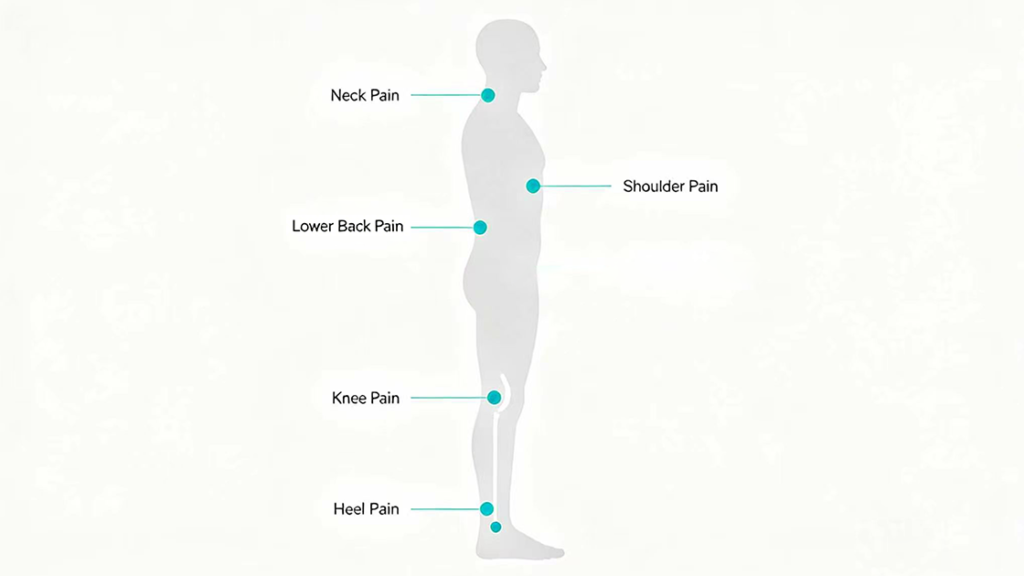
1. Knee Pain and Early Degenerative Joint Conditions
1.1 Why Knee Pain Remains One of the Highest-Volume Clinic Visits
Knee discomfort continues to represent one of the most common musculoskeletal complaints encountered in outpatient rehabilitation and chiropractic environments. Because the knee joint supports weight-bearing movement across nearly every daily activity, repetitive stress, biomechanical imbalance, and early degenerative cartilage changes often contribute to persistent symptoms that affect functional mobility. Clinics frequently manage patients experiencing joint stiffness, localized inflammation, reduced range of motion, and periarticular soft-tissue irritation. These presentations often require conservative therapeutic approaches that can be integrated efficiently into structured care plans without increasing treatment complexity. As a result, many providers prioritize technologies capable of supporting consistent outcomes across large patient volumes while maintaining flexibility within individualized rehabilitation programs.
Transitioning from traditional conservative modalities toward technology-assisted treatment workflows has allowed clinicians to improve efficiency while maintaining treatment precision.
1.2 How Class IV Laser Therapy Supports High-Throughput Knee Care Workflows
Thérapie laser de classe IV systems support knee-related treatment programs by delivering higher therapeutic energy densities capable of reaching deeper periarticular tissue structures compared with lower-power laser devices. Through photobiomodulation mechanisms, laser energy promotes improved microcirculation, cellular metabolism support, and neuromuscular relaxation within the joint environment. Clinics managing degenerative joint discomfort often benefit from technologies that allow targeted therapy delivery across large anatomical surfaces without requiring extended session duration. Because knee cases frequently involve both soft tissue and ligamentous support structures, high-power laser therapy integrates naturally alongside manual therapy, corrective exercise programming, and mobility restoration strategies. This versatility allows providers to incorporate laser-assisted care into standardized treatment pathways while maintaining scheduling efficiency across high-volume patient populations.
2. Shoulder Mobility Limitations and Rotator Cuff Stress
Shoulder-related complaints represent another major category of musculoskeletal conditions frequently addressed in multidisciplinary rehabilitation environments. The anatomical complexity of the shoulder joint often requires therapeutic solutions capable of supporting multiple soft tissue layers simultaneously.
2.1 Why Shoulder Cases Are Increasing Across Active and Working Populations
The shoulder joint functions as one of the most mobile articulations within the human body, making it especially vulnerable to repetitive strain patterns associated with occupational lifting, overhead activity, and prolonged workstation positioning. Clinics regularly encounter individuals presenting with rotator cuff overload patterns, scapular instability, tendon irritation, and myofascial restriction that contribute to progressive mobility limitations. These conditions often develop gradually and may interfere with both recreational activity participation and routine occupational performance. Because shoulder dysfunction frequently involves multiple interacting tissue structures, clinicians often select technologies capable of supporting broad-area tissue stimulation while maintaining patient comfort during therapy delivery. This requirement has increased interest in advanced therapeutic laser systems designed for efficient treatment of layered soft tissue regions.
As shoulder rehabilitation continues evolving toward integrated technology-assisted workflows, laser therapy systems have become increasingly valuable components of comprehensive mobility programs.
2.2 Why Clinics Prefer Class IV Laser Therapy for Shoulder Treatment Programs
Class IV Laser Therapy enables clinicians to deliver photobiomodulation energy to deeper muscular and connective tissue layers surrounding the glenohumeral joint while supporting localized circulation enhancement. These characteristics make laser therapy particularly useful in environments where providers manage mixed presentations involving tendon overload, muscular fatigue patterns, and capsular tightness. Because shoulder treatment protocols frequently combine exercise progression with manual interventions, laser-assisted therapy sessions can be positioned strategically within broader rehabilitation schedules without disrupting workflow continuity. Clinics also benefit from the ability to treat both localized trigger-point regions and broader kinetic chain segments efficiently. This flexibility allows providers to maintain treatment consistency across diverse patient presentations while supporting progressive mobility restoration goals.
3. Lower Back Pain in Working-Age Adults
Lower back discomfort remains one of the most commonly reported functional limitations affecting individuals across multiple occupational environments. As clinics increasingly emphasize conservative and technology-supported treatment pathways, laser-assisted therapy has become a central component of spine-focused rehabilitation programs.
3.1 The Ongoing Demand for Non-Drug Back Pain Solutions
Lumbar discomfort often develops through a combination of postural loading patterns, prolonged sitting exposure, lifting demands, and muscular imbalance within the lumbopelvic region. Clinics frequently evaluate patients presenting with paraspinal muscle guarding, fascia restriction, sacroiliac joint irritation, and reduced segmental mobility that contributes to persistent discomfort during daily movement activities. Because these presentations may vary widely between individuals, providers typically rely on flexible treatment tools capable of addressing both superficial and deeper tissue structures. Technologies that support neuromuscular relaxation while promoting circulation improvements across large anatomical areas remain particularly valuable within spine-care environments. This clinical demand has accelerated the adoption of high-power photobiomodulation devices capable of supporting structured rehabilitation pathways efficiently.
With patient expectations increasingly shifting toward non-invasive therapy options, laser-assisted spine care continues gaining momentum across rehabilitation practices.
3.2 Why Class IV Laser Therapy Is Being Added to Spine Care Programs
Class IV Laser Therapy supports lumbar rehabilitation programs by delivering controlled therapeutic energy capable of interacting with deep paraspinal musculature and surrounding connective tissue structures. Through photochemical and photothermal mechanisms, laser therapy sessions assist clinicians in supporting circulation enhancement while improving tissue elasticity within restricted movement segments. Because spine-related treatment programs often involve staged progression strategies that combine manual therapy, stabilization exercise, and neuromuscular re-education, laser-assisted sessions can be incorporated seamlessly into structured treatment timelines. Clinics benefit from the ability to maintain session efficiency while expanding treatment depth capabilities, allowing providers to address both localized discomfort regions and broader kinetic chain involvement across the lumbosacral area.
4. Plantar Fascia Stress in Active Patients and Workers
Foot-related discomfort continues to represent a frequent reason individuals seek conservative rehabilitation services. As mobility demands increase across both recreational and occupational environments, clinics are integrating laser-assisted treatment strategies into lower-extremity care pathways more frequently.
4.1 Why Foot Pain Cases Continue Rising in Outpatient Clinics
The plantar fascia plays a central role in supporting gait efficiency and shock absorption during weight-bearing movement. Repetitive loading patterns associated with prolonged standing, running activity, or occupational walking exposure can contribute to microstrain within fascial structures, leading to localized heel discomfort and reduced walking tolerance. Clinics commonly manage patients experiencing morning stiffness, arch fatigue, and progressive functional limitation associated with plantar fascia stress patterns. Because these presentations often require localized treatment precision combined with broader lower-extremity biomechanical support strategies, clinicians prioritize technologies capable of delivering targeted therapeutic stimulation efficiently across compact anatomical regions without prolonging appointment duration.
As providers continue optimizing lower-extremity rehabilitation workflows, laser therapy has become a practical addition to structured foot-care programs.
4.2 How Class IV Laser Therapy Improves Clinic Efficiency in Treating Foot Conditions
Class IV Laser Therapy systems allow clinicians to deliver concentrated photobiomodulation energy across localized fascial attachment zones while supporting surrounding soft tissue circulation enhancement. These characteristics make laser-assisted therapy particularly effective within treatment environments where providers manage high patient turnover associated with repetitive-use lower-extremity conditions. Because plantar fascia care frequently requires integration with stretching protocols, orthotic strategies, and gait retraining programs, laser sessions can be positioned strategically within broader treatment timelines without increasing workflow complexity. Clinics benefit from the ability to maintain consistent treatment delivery across multiple patient presentations while supporting progressive recovery objectives in both recreationally active individuals and occupational movement populations.
5. Neck Pain Associated with Desk-Based Work Lifestyles
Posture-related cervical discomfort continues to emerge as one of the fastest-growing categories of musculoskeletal complaints encountered in rehabilitation environments. Clinics increasingly incorporate technology-supported treatment solutions into programs designed for individuals exposed to prolonged workstation positioning.
5.1 Why Technology-Related Neck Pain Is One of the Fastest-Growing Patient Complaints
Extended screen exposure and forward-head positioning patterns contribute to progressive strain within cervical paraspinal musculature, upper trapezius fibers, and surrounding fascial support structures. Clinics frequently evaluate individuals presenting with reduced cervical rotation range, tension headaches, scapular instability patterns, and localized myofascial trigger-point development. Because these presentations often affect individuals engaged in sedentary occupational environments, providers prioritize treatment strategies capable of supporting mobility restoration without disrupting daily routines. Technologies that allow localized therapeutic delivery across compact cervical regions while maintaining patient comfort remain especially valuable within posture-related rehabilitation programs.
As cervical posture disorders continue increasing across working-age populations, clinics are expanding their use of laser-assisted treatment strategies to address this emerging demand.
5.2 Why Clinics Use Class IV Laser Therapy for Modern Workplace Injury Patterns
Class IV Laser Therapy supports cervical rehabilitation workflows by delivering controlled photobiomodulation energy capable of interacting with superficial and intermediate muscular layers surrounding the cervical spine. These interactions help clinicians support localized circulation improvements while promoting neuromuscular relaxation across tension-prone regions affected by sustained workstation exposure. Because posture-related treatment programs often combine ergonomic correction strategies with manual therapy and strengthening interventions, laser-assisted sessions integrate efficiently into structured rehabilitation timelines. Clinics benefit from the ability to address both localized discomfort and broader upper-quarter movement coordination challenges while maintaining consistent treatment efficiency across posture-related care environments.
FAQ
What makes Class IV Laser Therapy different from Class III laser systems?
Class IV laser devices operate at higher power levels, allowing deeper tissue penetration and faster energy delivery across treatment areas.
Is Class IV Laser Therapy suitable for multidisciplinary clinics?
Yes, it integrates easily into chiropractic, physical therapy, sports rehabilitation, and mobility-focused treatment environments.
Does laser therapy support both acute and chronic conditions?
Clinics frequently incorporate Class IV Laser Therapy into treatment programs addressing both recent injuries and long-term mobility concerns.
Can Class IV Laser Therapy improve treatment workflow efficiency?
Many clinics report improved scheduling flexibility because laser sessions can be delivered quickly across multiple anatomical regions.
Why are clinics increasingly adopting laser therapy technology?
Growing interest in non-invasive and drug-free rehabilitation solutions continues driving adoption across conservative care environments.
Conclusion
As rehabilitation environments continue evolving toward technology-supported conservative care models, Class IV Laser Therapy has become a practical solution for clinics managing high-frequency musculoskeletal conditions such as knee discomfort, shoulder mobility restriction, lumbar strain, plantar fascia stress patterns, and posture-related cervical tension. By supporting efficient photobiomodulation delivery across multiple anatomical regions while integrating smoothly into structured rehabilitation workflows, high-power therapeutic laser systems allow providers to expand treatment capabilities without increasing scheduling complexity. Clinics seeking flexible, scalable solutions for modern patient populations increasingly recognize Class IV Laser Therapy as a valuable component of forward-looking mobility restoration strategies.
References
American Academy of Orthopaedic Surgeons — Musculoskeletal Conditions Overview
World Association for Laser Therapy — Photobiomodulation Therapy Resources
North American Association for Photobiomodulation Therapy — Clinical Laser Therapy Education
National Institute of Arthritis and Musculoskeletal and Skin Diseases — Musculoskeletal Health Topics
FDA — Medical Laser Devices Overview
https://www.fda.gov/radiation-emitting-products/medical-imaging/medical-lasers
American Physical Therapy Association — Technology in Rehabilitation Care
 English
 العربية
 Français
 日本語
日本語 Português
 Español
 Русский
 Deutsch