
Contenu des pages
Introduction
Peripheral neuropathy stems from abnormal nerve function and interferes with daily comfort, mobility, and life quality. In recent years, the rapid evolution of medical technology has encouraged medical experts to seek out supplementary treatments that pair well with standard care. One promising method is Class IV laser therapy, or high-power therapeutic laser, which has become popular in rehabilitation and wellness fields. Fundamentally, it utilizes focused light energy to act on localized troubled tissues. In addition, adjustable energy parameters and deep tissue penetration make it a valuable alternative for practitioners. In short, this laser device serves as an integral part of full-spectrum care to relieve nerve discomfort and improve mobility issues for patients.
1. Understanding Class IV Laser Therapy and Peripheral Neuropathy Support
Peripheral neuropathy involves changes in peripheral nerves, which connect the brain and spinal cord with other areas of the body. Understanding the relationship between advanced laser technology and nerve wellness support helps explain why Thérapie laser de classe IV has become an area of interest among healthcare professionals.
1.1 Qu'est-ce que la thérapie laser de classe IV ?
Class IV laser therapy represents a form of high-power therapeutic laser technology, which emits light energy at specific wavelengths to generate therapeutic effects on designated body regions. In contrast to low-power laser devices, Class IV systems feature substantially higher energy output; consequently, they enable clinicians to reach deeper tissue layers within a single treatment session.
Beyond its penetrating capability, this laser technology boasts precisely regulated energy transmission and fully configurable operational settings. To be specific, practitioners are able to fine-tune all relevant parameters according to patients’ unique physical conditions, personalized treatment objectives, and the specific body zones requiring intervention. For these reasons, within rehabilitation and wellness facilities, Class IV laser therapy is widely recognized as an effective auxiliary modality. Most importantly, it can be seamlessly incorporated into multi-modal holistic care protocols to optimize overall treatment outcomes.
1.2 Understanding Peripheral Neuropathy and Daily Challenges
Peripheral neuropathy affects the peripheral nervous system and may involve symptoms such as tingling sensations, numbness, sensitivity changes, or discomfort in certain areas of the body. These experiences can influence daily activities, physical movement, and overall comfort.
Many individuals with nerve-related concerns explore different supportive approaches that focus on maintaining mobility and improving daily wellness. Healthcare professionals often consider multiple factors, including lifestyle, physical activity, and personalized care plans, when supporting individuals with neuropathy-related challenges.
1.3 Why Advanced Laser Technology Is Gaining Attention
As healthcare continues moving toward personalized solutions, professionals are increasingly interested in technologies that offer targeted applications. Class IV laser therapy provides controlled energy delivery, allowing practitioners to focus on specific areas rather than applying generalized approaches.
Its ability to combine adjustable settings with targeted treatment areas makes it an option considered in rehabilitation clinics, physical therapy environments, and other professional wellness settings.
2. How Class IV Laser Therapy Supports Neuropathy Management Approaches
Modern healthcare often combines multiple supportive strategies to address complex wellness needs. Class IV laser therapy is being explored as one component of comprehensive approaches focused on comfort, mobility, and tissue support.
2.1 Supporting Local Comfort in Areas Affected by Nerve Concerns
Individuals experiencing peripheral neuropathy may notice discomfort in areas such as the hands, feet, legs, or arms. Localized support strategies focus on addressing specific regions where individuals experience challenges.
Class IV laser therapy allows professionals to apply energy to targeted areas. Through controlled application, it may support wellness programs designed around improving comfort and maintaining normal daily activities.
2.2 Supporting Circulation and Tissue Wellness
Healthy circulation plays an important role in maintaining tissue function and overall wellness. Advanced laser technologies are often discussed in relation to their interaction with biological tissues and their ability to provide targeted energy stimulation.
In professional settings, Class IV laser therapy may be considered alongside other wellness approaches that focus on supporting tissue condition, physical function, and overall recovery processes.
2.3 Integrating Laser Therapy Into Rehabilitation Programs
Rehabilitation programs often include multiple approaches based on individual needs. These may involve movement exercises, physical therapy techniques, lifestyle adjustments, and supportive technologies.
Class IV laser therapy can be incorporated into rehabilitation environments as an additional tool. Professionals can combine laser technology with other methods to create customized support plans based on individual conditions and goals.
3. The Role of Class IV Laser Technology in Professional Care Settings
The development of therapeutic laser technology has expanded opportunities for clinics and healthcare professionals. Class IV laser systems are increasingly considered in environments that focus on rehabilitation, mobility, and supportive care.
3.1 Applications in Physical Therapy Clinics
Physical therapists frequently work with individuals who experience movement limitations, discomfort, or reduced physical function. Advanced technologies can provide additional options within rehabilitation programs.
Class IV laser therapy allows physical therapy professionals to deliver targeted energy applications while adjusting settings according to specific areas and individual requirements. This flexibility makes it suitable for various rehabilitation environments.
3.2 Applications in Chiropractic and Wellness Practices
Chiropractic and wellness professionals often focus on supporting mobility, physical function, and overall body comfort. Many practices explore additional technologies that can complement existing services.
Class IV laser therapy provides a non-invasive technology option that may be included in wellness programs. Its targeted application approach allows professionals to consider specific areas related to movement and comfort management.
3.3 The Importance of Customized Laser Settings
Every individual has different wellness needs, and professional laser applications require careful consideration of multiple factors. Adjustable settings allow practitioners to modify energy output, application time, and treatment areas.
This customization helps professionals create more personalized approaches while maintaining appropriate application strategies within their practice environment.
4. Exploring Class IV Laser Therapy Applications for Different Needs
Peripheral neuropathy-related concerns can vary from person to person. Understanding different application areas helps explain how Class IV laser technology fits into modern supportive care environments.
4.1 Supporting Foot and Lower Limb Wellness
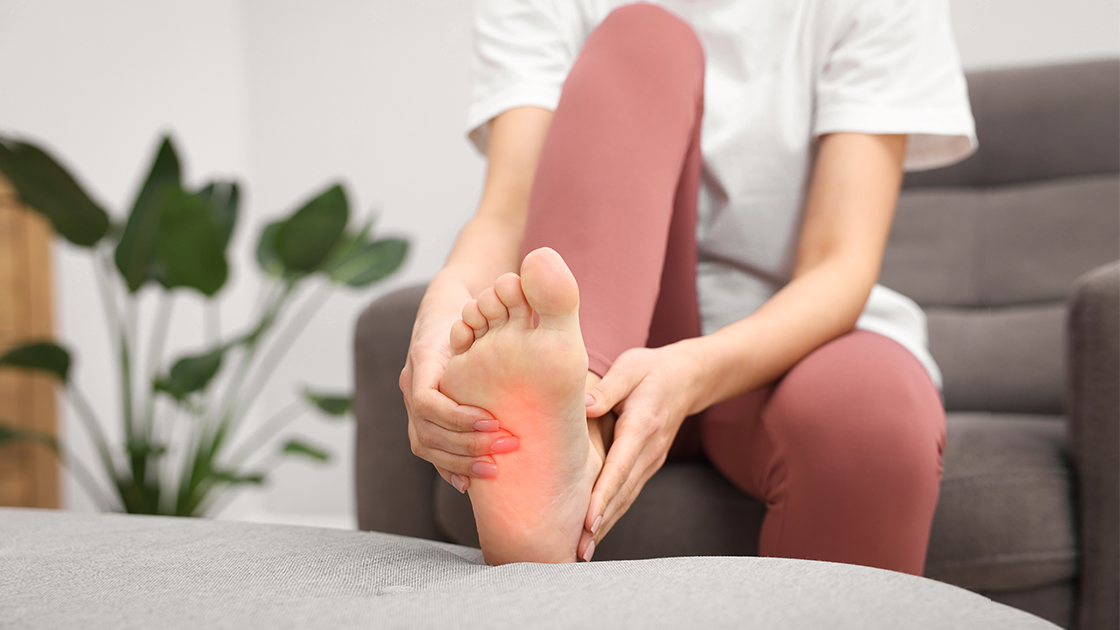
The feet and lower limbs are common areas where individuals may experience nerve-related discomfort. Maintaining mobility and daily function is an important part of overall wellness management.
Class IV laser therapy provides targeted energy delivery that professionals may consider when developing support strategies for lower limb comfort and mobility. It can be combined with movement programs and other professional guidance.
4.2 Supporting Hand and Upper Limb Comfort
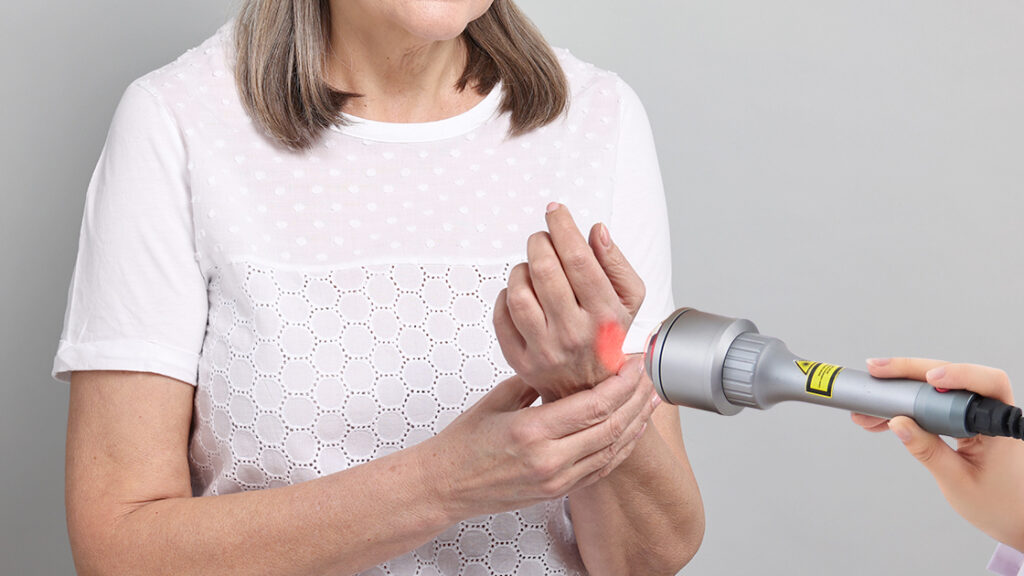
Some individuals experience nerve-related sensations in their hands and arms, which may affect daily tasks and physical activities.
Localized laser technology allows professionals to focus on specific upper limb areas. This targeted approach provides another supportive option within broader wellness and rehabilitation programs.
4.3 Supporting Active Aging and Mobility Goals
As people age, maintaining movement ability and physical independence becomes increasingly important. Many older adults focus on wellness strategies that support active lifestyles.
Class IV laser therapy may be explored as part of mobility-focused programs that aim to support comfort and physical activity. Professionals can evaluate individual needs when incorporating technology into aging wellness plans.
5. The Future of Class IV Laser Therapy in Nerve Wellness Support
Technological development continues to influence rehabilitation and wellness industries. As demand grows for personalized and non-invasive solutions, therapeutic laser technology continues evolving.
5.1 Growing Interest in Non-Invasive Supportive Technologies
Many healthcare professionals are exploring technologies that can complement traditional approaches without invasive procedures. Class IV laser therapy represents one example of advanced technology designed for professional wellness environments.
Its combination of high-power output, adjustable settings, and targeted application capabilities contributes to its growing interest among rehabilitation and wellness providers.
5.2 Choosing Advanced Laser Technology for Professional Applications
Selecting therapeutic technology requires consideration of clinical goals, professional requirements, and patient needs. Different practices may evaluate factors such as energy control, application flexibility, and ease of integration.
Class IV laser therapy is best viewed as a supportive technology that works alongside comprehensive care strategies. Professional evaluation and responsible application remain important factors when incorporating any advanced wellness technology.
FAQ
What is Class IV laser therapy?
Class IV laser therapy is a high-power therapeutic laser technology that uses controlled light energy for targeted applications in professional wellness settings.
Can Class IV laser therapy cure peripheral neuropathy?
No. Class IV laser therapy is a supportive technology and does not replace professional medical evaluation or prescribed care.
How may laser therapy support people with neuropathy concerns?
Laser therapy may be considered as part of supportive wellness programs focused on comfort, tissue support, and mobility.
Where is Class IV laser therapy commonly used?
It is commonly used in professional environments such as physical therapy clinics, rehabilitation centers, chiropractic practices, and wellness facilities.
Is Class IV laser therapy non-invasive?
Yes. Class IV laser therapy uses external energy application and does not involve surgical procedures.
Why do professionals use adjustable laser settings?
Adjustable settings allow professionals to customize energy delivery based on targeted areas and individual wellness goals.
Conclusion
Nowadays, Class IV laser therapy has gained growing recognition across rehabilitation and wellness clinics, primarily due to its capacity to deliver precise, modifiable energy to designated tissue regions. Specifically, for patients suffering from symptoms linked to peripheral neuropathy, this laser modality acts as a valuable auxiliary intervention within full-spectrum rehabilitation and wellness regimens. Furthermore, when paired with customized clinical guidance, the advanced performance of Class IV lasers creates an alternative therapeutic pathway. Ultimately, this technology works to ease nerve discomfort, restore physical mobility, and elevate patients’ general quality of life.
References
Peripheral Neuropathy: Clinical Features, Diagnosis, and Management
https://www.ncbi.nlm.nih.gov/books/NBK279388
Low-Level Laser Therapy in Neurological and Musculoskeletal Conditions
https://www.ncbi.nlm.nih.gov/pmc/articles/PMC4743666
Photobiomodulation Therapy: Mechanisms and Clinical Applications
https://www.ncbi.nlm.nih.gov/pmc/articles/PMC4743664
Physical Therapy Management of Peripheral Neuropathy
https://www.ncbi.nlm.nih.gov/pmc/articles/PMC4357126
Laser Therapy in Rehabilitation and Pain Management
 English
 العربية
 Français
 日本語
日本語 Português
 Español
 Русский
 Deutsch