
Contenu des pages
Introduction
Hip dysplasia is a common orthopedic condition in large breed dogs, caused by the abnormal development of the hip joint. Genetics, rapid growth, obesity, and over-exercise during puppyhood can all contribute to joint laxity, leading to instability, inflammation, and pain. Affected dogs often show difficulty walking, reluctance to jump, muscle atrophy, and behavioral changes due to discomfort. Traditional management includes surgery, pharmacological interventions, weight control, and physical therapy. Recently, Thérapie laser de classe IV has gained attention as a non-invasive adjunct for managing hip dysplasia. By delivering high-energy laser light deep into joint tissues, it reduces inflammation, alleviates pain, improves blood flow, and promotes tissue repair. This article explores the mechanisms, benefits, treatment protocols, and practical considerations of Class IV laser therapy for large breed dogs with hip dysplasia.
1. Understanding Hip Dysplasia in Large Breed Dogs
1.1 What Is Canine Hip Dysplasia?
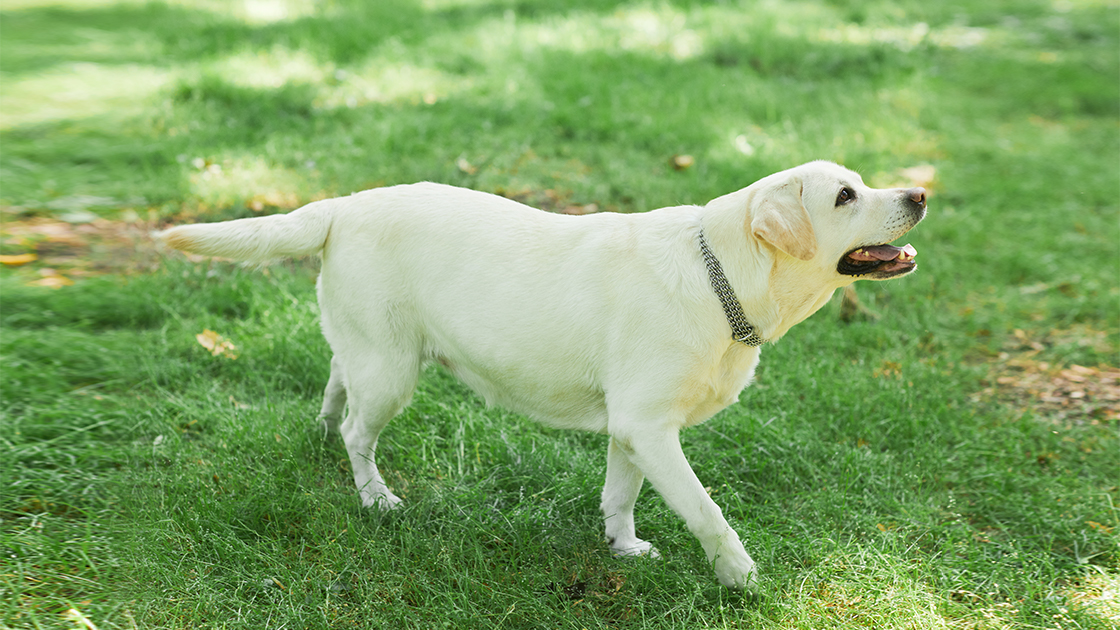
Canine hip dysplasia occurs when the ball-and-socket joint between the femoral head and the acetabulum does not develop properly. This malformation causes excessive joint laxity, cartilage wear, and osteoarthritis. Large breeds, including German Shepherds, Labradors, Golden Retrievers, and Rottweilers, are particularly prone due to rapid growth and genetic predisposition. Over time, the abnormal mechanics of the joint can lead to inflammation, pain, and reduced mobility. Early diagnosis through X-rays or veterinary assessment is critical for preventing irreversible damage.
1.2 Symptoms and Progression
Dogs with hip dysplasia may display limping, stiffness, difficulty rising, or reluctance to jump or climb stairs. Muscle wasting in the hind limbs, waddling gait, and behavioral signs like irritability or decreased activity are common. Chronic inflammation can accelerate joint degeneration, eventually resulting in osteoarthritis. Early intervention is essential to slow progression, manage pain, and maintain functional mobility. Owners and veterinarians must monitor both subtle and overt behavioral changes to implement timely treatments.
2. Fonctionnement de la thérapie laser de classe IV
2.1 Definition and Mechanism
Class IV laser therapy uses high-intensity light, usually in the 800–1100 nm wavelength range, capable of penetrating deep into soft tissues. Through photobiomodulation, laser energy stimulates mitochondrial activity, increasing ATP production and promoting cellular repair. It enhances microcirculation, delivering oxygen and nutrients to affected muscles, tendons, and ligaments. Additionally, it modulates inflammatory mediators and reduces nociceptor activation, contributing to pain relief. The non-invasive nature allows deep joint tissue treatment without skin or surface tissue damage.
2.2 Advantages Over Traditional Pain Management
Compared to oral medications or topical treatments, Class IV lasers target the source of inflammation directly, reducing reliance on drugs and associated side effects. Unlike surgical interventions, laser therapy is non-invasive, painless, and requires no anesthesia. Its high penetration depth makes it effective for deep joint tissues, offering rapid relief for dogs with moderate to severe hip dysplasia. The therapy also complements other rehabilitation approaches, including physical therapy, weight management, and targeted exercise.
3. Benefits of Laser Therapy for Hip Dysplasia
3.1 Pain Relief and Muscle Relaxation
Hip dysplasia often causes significant discomfort, limiting a dog’s willingness to exercise. Class IV laser therapy reduces pain by desensitizing nociceptors and modulating nerve conduction. The treatment also relaxes hypertonic muscles surrounding the joint, decreasing stiffness and tension. This relief allows dogs to participate more fully in physical therapy or daily activity, improving mobility and quality of life. Over repeated sessions, pain reduction becomes cumulative, contributing to sustained comfort and functional improvements.
3.2 Reducing Inflammation and Joint Swelling
Laser therapy decreases pro-inflammatory mediators such as prostaglandins and cytokines, reducing local swelling and joint irritation. By improving microcirculation, it promotes the removal of metabolic waste products that exacerbate inflammation. Reduced edema enhances joint flexibility, prevents further tissue damage, and protects cartilage from accelerated wear. These anti-inflammatory effects support both acute management of flare-ups and chronic control of ongoing osteoarthritis.
3.3 Enhancing Mobility and Daily Activity
With reduced pain and improved tissue flexibility, dogs can regain range of motion in their hips. Activities like walking, running, jumping, and climbing stairs become more comfortable. Improved mobility also encourages muscle strengthening, preventing atrophy and maintaining balance. Over time, regular laser therapy sessions can help preserve joint function, allowing large breed dogs to lead more active, comfortable lives, and delaying the need for invasive surgical interventions.
3.4 Safe and Non-Invasive
Class IV laser therapy is safe for repeated use and well-tolerated by most dogs. The procedure does not require anesthesia or systemic drugs, minimizing potential complications. Temporary side effects, if any, are mild and may include slight warmth, redness, or tingling at the treatment site. Its non-invasive profile allows veterinarians to incorporate the therapy into long-term joint care plans without disrupting other interventions.

4. Treatment Protocols for Dogs with Hip Dysplasia
4.1 Frequency and Duration
Typical therapy sessions last 10–20 minutes per hip, administered 2–3 times per week depending on severity, tolerance, and stage of disease. Early sessions may start with lower energy settings to prevent overstimulation of sensitive tissues. Therapists adjust parameters such as pulse frequency, power output, and spot size based on the dog’s size, weight, and response to treatment. Consistent application over several weeks yields cumulative benefits in pain reduction, flexibility, and functional mobility.
4.2 Combining with Physical Therapy and Lifestyle Management
Laser therapy is most effective when combined with weight management, targeted exercise, and muscle strengthening. Gentle stretches and low-impact activities, such as underwater treadmill therapy, can reinforce gains made during laser sessions. Nutritional support, including joint supplements like glucosamine and chondroitin, further enhances recovery. Integrating these strategies maximizes the dog’s overall mobility and quality of life.
4.3 Monitoring Progress
Veterinarians and owners monitor progress through gait analysis, mobility assessment, and behavioral observation. Tools like the Canine Orthopedic Index or joint scoring systems can quantify improvements. Regular reassessment allows for adjustments in therapy intensity and frequency, ensuring treatment remains safe, effective, and tailored to the individual dog’s needs.
5. Who Can Benefit Most?
5.1 Candidats idéaux
Large breed dogs diagnosed with hip dysplasia, particularly those with early to moderate osteoarthritis, are ideal candidates. Dogs that cannot tolerate long-term NSAIDs or have comorbidities that limit surgical options benefit especially from non-invasive laser therapy. It is also suitable for dogs recovering from surgery or those undergoing long-term rehabilitation.
5.2 When to Consider Laser Therapy
Laser therapy is effective as both a preventive and therapeutic intervention. Early application can slow joint degeneration, reduce pain, and prepare tissues for exercise. For chronic cases, laser therapy alleviates persistent discomfort and allows continued engagement in daily activities. Veterinarians should evaluate each patient to determine timing, dosage, and integration with other treatments for optimal outcomes.
FAQ (Frequently Asked Questions)
Q1: Is Class IV Laser Therapy safe for all large breed dogs?
Generally, yes, though dogs with severe skin conditions or uncontrolled infections should be evaluated prior to treatment.
Q2: How soon can improvement in mobility be seen?
Some dogs show immediate relief in pain and stiffness, but functional gains accumulate over several weeks.
Q3 : La thérapie laser peut-elle remplacer la chirurgie ?
No. It is a complementary therapy to improve joint health and manage symptoms, not a substitute for corrective surgery.
Q4: Are there any side effects?
Side effects are minimal, usually mild warmth or transient tingling at the treatment site.
Q5: How should therapy be combined with exercise or medications?
Laser therapy is most effective when paired with controlled exercise, physical therapy, and nutritional support. Medication can be reduced under veterinary supervision as symptoms improve.
Conclusion
Class IV laser therapy offers a safe, non-invasive, and effective option for managing hip dysplasia in large breed dogs. By reducing pain, alleviating inflammation, and improving mobility, it enhances quality of life and supports rehabilitation efforts. Integrated with physical therapy, weight management, and nutritional support, laser therapy can slow disease progression, maintain joint function, and provide dogs with a more active and comfortable lifestyle.
References
Johnson, A., et al. (2018). Photobiomodulation for canine joint health. Journal of Veterinary Rehabilitation, 15(2), 85–94.
Smith, B., et al. (2019). Class IV laser therapy in veterinary orthopedic cases. Veterinary Surgery, 48(6), 1050–1058.
SmartLaserTherapy. Class IV Laser Therapy for Pets.
https://smartlasertherapy.com/
Johnson, A., et al. Influence of Class IV Laser Therapy on Clinical Outcomes in Dogs. PubMed.
 English
 العربية
 Français
 日本語
日本語 Português
 Español
 Русский
 Deutsch