
Contenu des pages
Introduction
Post-surgical recovery remains one of the most critical phases in rehabilitation medicine, where biological healing processes, inflammation control, and pain management must be carefully balanced to restore function efficiently and safely. In modern rehabilitation clinics, clinicians increasingly focus on non-invasive modalities that support the body’s natural healing mechanisms rather than simply managing symptoms. Among these approaches, Class IV Laser Therapy—also known as high-power laser therapy or photobiomodulation therapy—has gained significant attention for its ability to influence cellular activity, enhance tissue regeneration, and improve recovery outcomes across a wide range of musculoskeletal and post-operative conditions. By delivering specific wavelengths of light energy into biological tissues, this technology interacts with mitochondrial pathways, modulates inflammatory responses, and supports neuromodulation processes involved in pain perception. As a result, it has become an important adjunct in contemporary post-surgical rehabilitation strategies aimed at improving both clinical efficiency and patient quality of life.
1. Understanding Class IV Laser Therapy in Rehabilitation Medicine
1.1 Definition and Clinical Classification
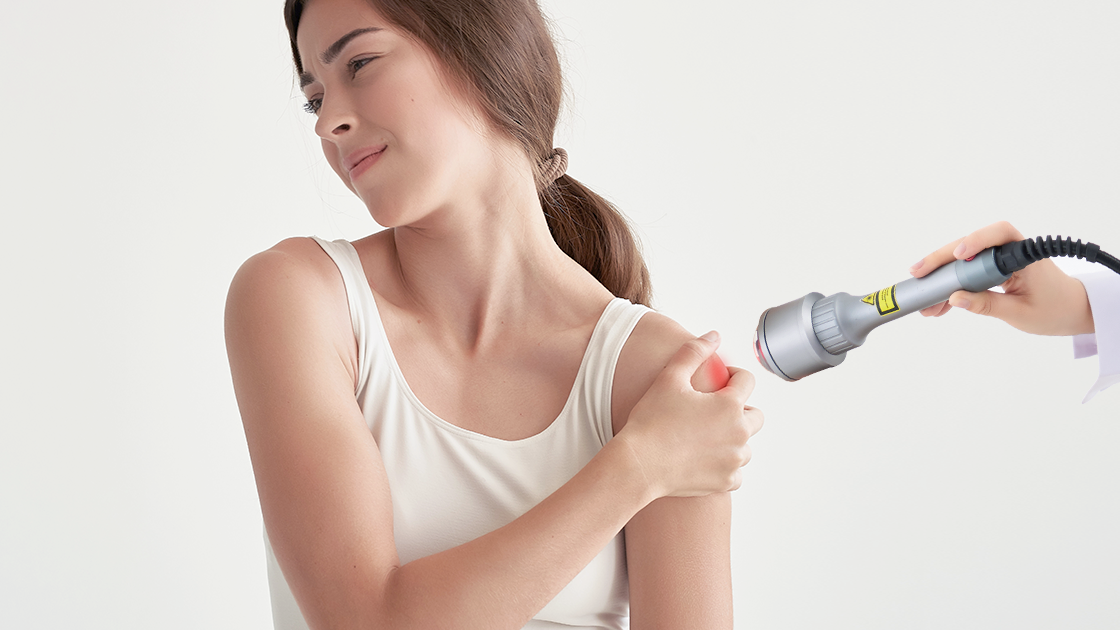
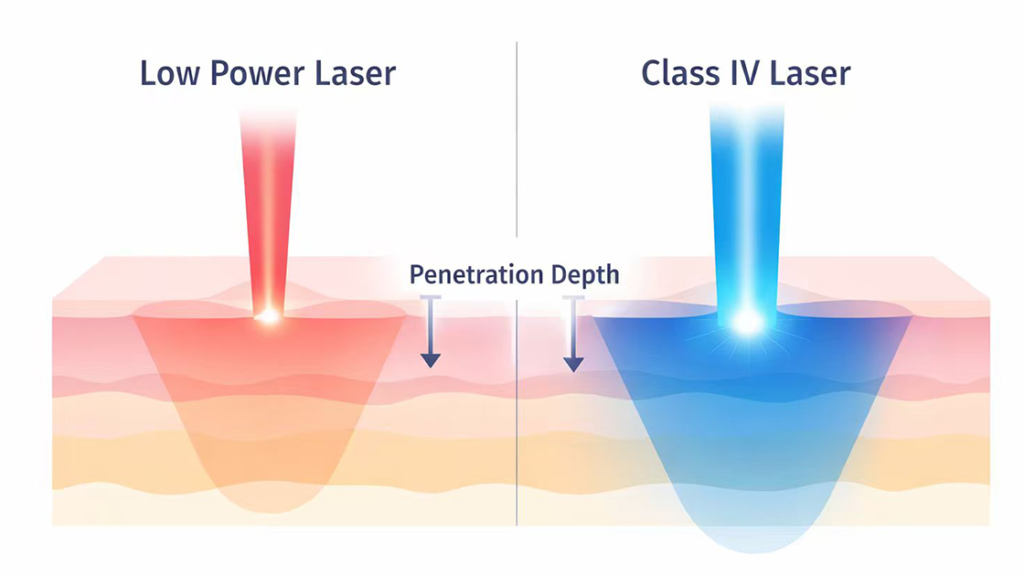
Thérapie laser de classe IV refers to high‑power therapeutic laser systems. They deliver optical energy into biological tissues at much higher power levels than lower‑class lasers. In rehabilitation medicine, power output matters because it affects tissue penetration depth and the amount of energy reaching muscles, tendons, ligaments, and joint capsules. Unlike low‑level lasers, Class IV lasers can reach deeper anatomical layers. This makes them especially useful in post‑surgical scenarios where inflammation and tissue remodeling occur beneath the skin. Clinically, this modality falls under photobiomodulation therapies, which stimulate biological processes rather than thermally destroy tissue.
1.2 Photobiomodulation Mechanisms
Photobiomodulation describes the interaction between specific wavelengths of light and cellular photoreceptors, primarily within the mitochondrial respiratory chain. When cytochrome c oxidase—a key enzyme in oxidative phosphorylation—absorbs photons, cellular respiration efficiency increases, leading to enhanced adenosine triphosphate (ATP) production. This rise in cellular energy availability supports multiple downstream processes, including protein synthesis, cell proliferation, and tissue repair. In addition, the therapy modulates reactive oxygen species (ROS) signaling at controlled levels, contributing to redox balance and gene expression regulation associated with healing pathways. These mechanisms collectively explain how Class IV laser energy can influence biological repair without invasive intervention.
1.3 Clinical Role in Post-Surgical Care
In post-surgical rehabilitation environments, Class IV Laser Therapy is commonly integrated as a supportive modality rather than a standalone treatment. Its clinical role centers on enhancing biological recovery conditions in injured tissues. It also reduces barriers like inflammation, edema, and pain sensitivity. Rehabilitation professionals often see it as a complementary technology that fits evidence‑informed rehab models. This is especially true for orthopedic and soft tissue recovery cases. Its non‑invasive nature allows it to work alongside physical therapy, manual therapy, and functional exercise programs. This contributes to a more comprehensive, multidisciplinary approach to post‑operative care.
2. Tissue Repair and Regenerative Support After Surgery
2.1 Cellular Regeneration Processes
After surgery, the body launches a complex cellular cascade to restore tissue integrity. This activates fibroblasts, endothelial cells, and immune cells for wound stabilization and structural rebuilding. Class IV Laser Therapy supports these processes by enhancing mitochondrial energy production, which drives cellular proliferation and protein synthesis. Greater ATP availability helps fibroblasts produce collagen more efficiently, playing a key role in extracellular matrix formation. This improves tissue organization and structural strength during healing. Over time, these cellular effects support more efficient regeneration of musculoskeletal tissues affected by surgery.
2.2 Wound Healing Phases and Biological Response
Wound healing typically divides into inflammatory, proliferative, and remodeling phases, each with distinct biological activities. During the inflammatory phase, immune cells activate to remove damaged tissue and prevent infection.The proliferative phase forms new tissue (collagen, blood vessels), while the remodeling phase strengthens and reorganizes it. Class IV laser helps balance these phases by reducing excessive inflammation and promoting timely progression to regeneration. This biological regulation prevents delayed healing and promotes more organized tissue repair.
2.3 Functional Recovery Outcomes
Improved tissue regeneration leads to better post‑surgical outcomes, such as enhanced mobility, less stiffness, and improved biomechanical performance. In rehabilitation, functional recovery is a key sign of treatment success, reflecting the patient’s ability to return to daily activities and physical demands. By supporting structural repair and reducing excessive scar formation, Class IV Laser Therapy improves elasticity and functional integrity of healing tissues. This is especially relevant in musculoskeletal surgeries, where joint mobility and tendon flexibility are critical for long‑term recovery.
3. Inflammation Regulation in Post-Surgical Rehabilitation
3.1 Biological Inflammatory Response Modulation
Inflammation is a natural and necessary biological response following surgical trauma; however, excessive or prolonged inflammation can delay healing and contribute to pain and functional impairment. Class IV Laser Therapy is associated with modulation of inflammatory mediators such as cytokines and chemokines, including TNF-α, IL-1β, and IL-6. By influencing these signaling pathways, photobiomodulation may help regulate the intensity and duration of the inflammatory response. This contributes to a more balanced immune reaction, supporting tissue repair without excessive collateral damage. The controlled modulation of inflammation is considered a key factor in optimizing post-surgical recovery environments.
3.2 Circulatory and Lymphatic Effects
Inflammation often increases vascular permeability and fluid buildup in affected tissues, causing edema and pressure‑related discomfort. Photobiomodulation improves microcirculation, boosting oxygen delivery and nutrient exchange at the cellular level. It also supports lymphatic flow, helping remove metabolic waste and excess interstitial fluid. These physiological effects reduce swelling and improve tissue oxygenation, both essential for efficient healing. In rehabilitation settings, such circulatory improvements optimize the biological environment for recovering tissues.
3.3 Clinical Relevance in Rehabilitation Settings
In clinical rehabilitation practice, effective inflammation management is directly linked to improved recovery timelines and patient outcomes. Excessive inflammatory responses can contribute to prolonged pain, restricted movement, and delayed participation in physical therapy programs. By supporting a more controlled inflammatory process, Class IV Laser Therapy is often integrated into post-surgical rehabilitation protocols to enhance overall recovery efficiency. This makes it a valuable adjunct in modern rehabilitation medicine, particularly in cases involving orthopedic and soft tissue surgical interventions where inflammation plays a central role in recovery progression.
4. Pain Management and Neuromodulation Effects
4.1 Neurophysiological Pain Response
Pain following surgery is influenced by complex neurophysiological mechanisms involving peripheral nociceptors, spinal cord signaling, and central nervous system processing. Class IV Laser Therapy is associated with neuromodulatory effects that influence nerve conduction and pain signal transmission. Photonic energy interaction with neural tissues may reduce peripheral nerve excitability, thereby decreasing the intensity of pain signals transmitted to the central nervous system. In addition, photobiomodulation may influence endogenous opioid release, contributing to natural pain modulation processes. These mechanisms provide a biological basis for its role in post-surgical pain management strategies.
4.2 Post-Surgical Pain Characteristics
Post-surgical pain evolves through acute and subacute phases, with varying intensity and sensory characteristics based on tissue type and surgical complexity. Acute pain often arises from inflammation and tissue disruption, while later discomfort may stem from tissue remodeling and stiffness. Effective pain management supports not only patient comfort but also engagement in functional rehabilitation. Lower pain levels encourage patients to participate actively in movement‑based therapies, which are essential for restoring strength, mobility, and coordination during recovery.
4.3 Functional Impact on Rehabilitation Progress
Pain significantly affects functional outcomes in rehabilitation settings by directly influencing movement tolerance and exercise adherence. Effectively modulating pain helps patients better engage in therapeutic exercise and manual therapy. This improved engagement speeds up restoration of joint range of motion, muscle activation, and overall function. Therefore, pain management with supportive modalities like Class IV Laser Therapy plays an important role in comprehensive post‑surgical rehabilitation strategies.
5. Integration of Class IV Laser Therapy in Rehabilitation Clinics
5.1 Role in Multidisciplinary Rehabilitation Models
Modern rehabilitation clinics increasingly adopt multidisciplinary approaches that combine physical therapy, manual therapy, exercise rehab, and adjunctive technologies. Within this framework, Class IV Laser Therapy serves as a biological support modality that complements mechanical and functional interventions. It does not replace traditional rehabilitation methods but enhances the physiological environment for recovery. This integrative approach reflects current trends in evidence‑informed rehab medicine, combining multiple therapeutic mechanisms to optimize patient outcomes.
5.2 Applications Across Surgical Recovery Scenarios
Class IV Laser Therapy commonly supports a wide range of post-surgical rehabilitation contexts, especially orthopedic procedures, tendon repairs, ligament reconstruction, and soft tissue surgeries. These conditions often involve significant inflammation, tissue disruption, and pain, making them suitable for photobiomodulation‑based support. In these scenarios, clinicians use laser therapy as part of a broader rehabilitation strategy to improve tissue recovery and functional restoration. Its adaptability lets clinicians tailor it to individual recovery programs based on patient needs and surgical complexity.
5.3 Clinical Value in Modern Rehabilitation Medicine
The growing interest in non-invasive biological therapies has contributed to the increasing adoption of Class IV Laser Therapy in rehabilitation medicine. Its clinical value lies in its ability to interact with fundamental biological processes involved in healing, including cellular energy production, inflammation regulation, and neuromodulation. As rehabilitation medicine continues to evolve toward regenerative and function-focused care models, technologies such as high-power laser systems are becoming more relevant in improving recovery efficiency and patient-centered outcomes.
6. Evidence-Based Clinical Observations
Research in photobiomodulation therapy has expanded significantly in recent years, with studies exploring its effects on tissue repair, inflammation modulation, and pain reduction. Clinical observations in post-surgical settings suggest associations between laser therapy and improved recovery indicators, including reduced swelling, enhanced tissue regeneration, and improved functional outcomes. While research continues to evolve, the existing body of literature supports its role as a complementary modality within rehabilitation science. Ongoing investigations aim to further clarify optimal parameters and long-term effects across different surgical populations and clinical contexts.
FAQ
Q1: What is Class IV Laser Therapy used for after surgery?
It is used as a supportive modality to assist biological healing processes, including tissue repair, inflammation regulation, and pain modulation.
Q2: How does it differ from traditional rehabilitation approaches?
It works at a cellular level using light energy, complementing mechanical rehabilitation methods such as exercise and manual therapy.
Q3: Is it commonly used in rehabilitation clinics?
Yes, it is increasingly integrated into modern rehabilitation settings as part of multimodal recovery programs.
Q4: What types of surgeries may benefit from it?
It is often associated with orthopedic, musculoskeletal, and soft tissue surgical recovery contexts.
Conclusion
Class IV Laser Therapy has emerged as an important adjunct in post-surgical rehabilitation, offering biological support for tissue regeneration, inflammation control, and pain management through photobiomodulation mechanisms. As rehabilitation medicine continues to evolve toward more regenerative and non-invasive approaches, this technology plays an increasingly significant role in enhancing recovery efficiency and improving functional outcomes. Its integration into multidisciplinary rehabilitation programs reflects a broader shift toward evidence-informed, patient-centered care models that prioritize both biological healing and functional restoration.
References
Hamblin MR. Mechanisms and applications of the anti-inflammatory effects of photobiomodulation
https://pubmed.ncbi.nlm.nih.gov/28611761
Chung H, Dai T, Sharma SK, et al. The nuts and bolts of low-level laser (light) therapy
https://pubmed.ncbi.nlm.nih.gov/25443672
Hashmi JT, Huang YY, Osmani BZ, et al. Role of low-level laser therapy in neurorehabilitation
https://pubmed.ncbi.nlm.nih.gov/24288365
Cotler HB, Chow RT, Hamblin MR, Carroll J. The use of low-level laser therapy (LLLT) for musculoskeletal pain
https://pubmed.ncbi.nlm.nih.gov/23628539
Anders JJ, Lanzafame RJ, Arany PR. Low-level light/laser therapy versus photobiomodulation therapy
https://pubmed.ncbi.nlm.nih.gov/27160033
World Association for Laser Therapy (WALT) Guidelines on Photobiomodulation
 English
 العربية
 Français
 日本語
日本語 Português
 Español
 Русский
 Deutsch