
Contenu des pages
Introduction
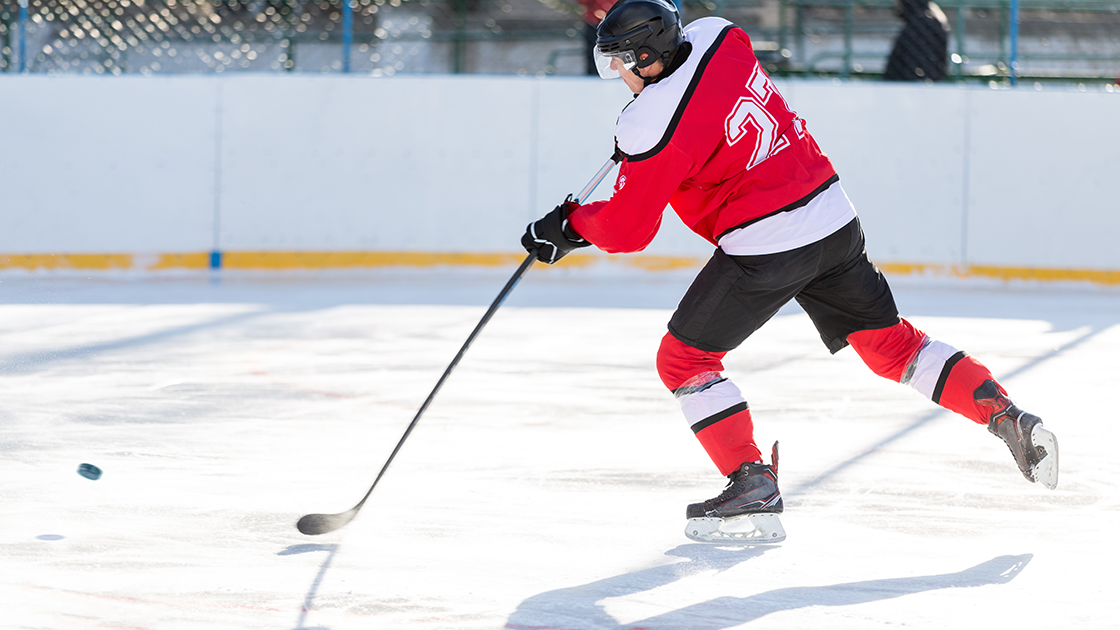
Ice hockey is one of the most physically demanding sports, combining high-speed skating, rapid direction changes, body checks, and repetitive shooting motions. These intense movements place enormous strain on players’ hips and shoulders, often leading to chronic soft tissue injuries, inflammation, and lingering pain. Traditional recovery methods such as rest, ice, and anti-inflammatory medications may provide temporary relief but rarely address the root causes or promote deep tissue repair. Thérapie laser de classe IV has emerged as a scientifically validated, non-invasive solution that penetrates deep into muscles, tendons, and ligaments. By stimulating cellular repair, reducing inflammation, and improving circulation, it helps ice hockey players recover faster, alleviate pain, and maintain peak performance on the ice.
1. Understanding Class IV Laser Therapy
1.1 Qu'est-ce que la thérapie laser de classe IV ?
Class IV lasers are high-powered therapeutic lasers delivering over 500 milliwatts of energy. Unlike low-level cold lasers, Class IV lasers can penetrate deeply into muscles, tendons, ligaments, and joint structures. The therapy works through photobiomodulation, where light energy is absorbed by mitochondria, stimulating ATP (adenosine triphosphate) production. Increased ATP enhances cellular metabolism, reduces oxidative stress, and promotes tissue repair. For ice hockey players, this means that deep structures such as hip flexors, gluteal muscles, rotator cuff tendons, and labral tissues can receive effective treatment that traditional methods cannot achieve.

1.2 How Class IV Lasers Work on Hip and Shoulder Injuries
The hip and shoulder are complex joints, often affected by repetitive stress. Class IV lasers deliver energy that increases local blood flow, enhances oxygen delivery, and stimulates collagen synthesis in tendons and ligaments. Inflammatory mediators are reduced, swelling diminishes, and pain signals are modulated. These effects allow athletes to regain mobility faster, reduce chronic discomfort, and maintain functional performance.

1.3 Advantages Over Traditional Therapies
Traditional therapies, including ice, rest, and NSAIDs, mainly mask symptoms without promoting deep tissue healing. Physical therapy strengthens muscles but may not repair micro-level damage in tendons and ligaments. Class IV Laser Therapy complements these approaches by accelerating cellular repair, providing both analgesic and regenerative effects. This dual benefit allows athletes to recover more efficiently and safely.
2. Common Hip and Shoulder Injuries in Ice Hockey Players
2.1 Hip Flexor Strains and Labral Tears
Hip flexors bear tremendous load during skating and collision impacts. Overuse can lead to strains, while high-impact incidents may result in labral tears, causing groin pain and limited mobility. Class IV lasers stimulate microcirculation, enhance tissue repair, and reduce inflammation, accelerating recovery of these critical structures.
2.2 Rotator Cuff Injuries
Shoulder rotator cuff muscles stabilize the joint during passing, shooting, and physical contact. Repetitive stress may cause tendinitis or partial tears. Class IV laser therapy increases ATP production in tendon cells, repairs micro-damage, and improves tissue elasticity, enabling athletes to regain strength, flexibility, and confidence in shoulder function.
2.3 Labral and Cartilage Damage
Both hip and shoulder labral injuries often involve low-blood-supply areas, limiting natural healing. Class IV lasers enhance cellular metabolism and local perfusion, stimulating repair and reducing the risk of long-term joint degeneration.
2.4 Chronic Overuse Injuries
Repeated movements over multiple seasons can cause persistent inflammation in the hip and shoulder. Class IV laser therapy modulates inflammatory pathways, reduces cytokine levels, and improves tissue resilience, allowing athletes to maintain performance while minimizing downtime.
3. Benefits of Class IV Laser Therapy for Ice Hockey Players
3.1 Accelerated Recovery
Class IV laser therapy promotes microvascular circulation and collagen synthesis, shortening recovery periods and helping athletes return to training and games faster than conventional methods.
3.2 Non-Drug Pain Relief
The therapy modulates nerve conduction and reduces local inflammation, offering effective pain relief without reliance on medications such as NSAIDs, minimizing side effects and supporting natural healing.
3.3 Enhanced Mobility and Joint Function
Reduced inflammation and improved tissue repair restore hip rotation, shoulder elevation, and overall joint mobility. Athletes experience better performance and decreased stiffness during high-intensity movements.
3.4 Injury Prevention
By improving tissue resilience at the cellular level, Class IV lasers help prevent re-injury. Strengthened muscles, tendons, and ligaments can better withstand the physical demands of ice hockey.
3.5 Minimal Side Effects
When administered by trained professionals, Class IV laser therapy is safe. Most athletes experience only mild warmth or tingling, with a very low risk of complications.
4. Enhancing Recovery Strategies with Class IV Laser Therapy
Instead of focusing on specific session schedules, this section explores how Class IV laser therapy integrates with overall recovery strategies for ice hockey players.
4.1 Complementing Strength and Conditioning
Laser therapy reduces inflammation and pain, which allows athletes to engage in strength and conditioning exercises more effectively. Improved muscle recovery supports performance gains while maintaining joint stability.
4.2 Supporting Physiotherapy and Mobility Work
When combined with targeted stretching, mobility drills, and physical therapy, laser therapy accelerates soft tissue repair. It prepares the muscles and joints to handle dynamic movements, reducing the risk of compensatory injuries.
4.3 Managing Chronic Pain During the Season
For athletes playing long seasons, laser therapy can be applied preventively to areas prone to overuse. This ongoing support helps maintain joint function, reduces flare-ups, and ensures consistent performance throughout the competitive period.
4.4 Promoting Deep Tissue Healing
Ice hockey injuries often involve deep muscles, tendons, and ligaments. Laser therapy penetrates where other modalities cannot, enhancing cellular repair and long-term tissue resilience. By promoting angiogenesis and collagen synthesis, it accelerates recovery even for persistent or recurring injuries.
4.5 Psychological Benefits for Athletes
Persistent pain can impact confidence and focus. By providing effective, non-invasive relief, Class IV laser therapy helps athletes maintain a positive mindset, supporting training adherence and competitive performance.
FAQ
Q1: Is Class IV Laser Therapy painful?
Most athletes feel only mild warmth or tingling; no significant discomfort is reported.
Q2: How soon can players return to skating?
Recovery varies depending on injury severity, but many resume partial practice within days to a week.
Q3: Are there any risks or side effects?
Side effects are rare; mild redness or warmth may appear temporarily.
Q4: Can this therapy prevent future injuries?
Yes. By promoting tissue repair and reducing inflammation, it lowers the risk of recurrence.
Q5: Is it safe for younger athletes?
With proper guidance and adjusted laser settings, it is safe for youth players.
Conclusion
Class IV Laser Therapy is a safe, non-invasive, and highly effective solution for ice hockey players suffering from hip and shoulder injuries. By targeting deep tissue damage, reducing chronic inflammation, and promoting cellular repair, athletes experience faster recovery, improved mobility, and enhanced performance. Integrated with strength, conditioning, and physical therapy, Class IV laser therapy provides a comprehensive approach to long-term joint health, minimizing re-injury risk, and keeping athletes at peak performance on the ice.
References
Smart Laser Therapy. Everything You Need to Know About Class IV Laser Therapy.
https://smartlasertherapy.com/everything-you-need-to-know-about-class-iv-laser-therapy
Smart Laser Therapy. Class IV Therapeutic Laser.
https://smartlasertherapy.com/class-iv-therapeutic-laser
Smart Laser Therapy. Is Class IV Laser Therapy Better Than Cold Laser Therapy?
https://smartlasertherapy.com/is-class-iv-laser-therapy-better-than-cold-laser-therapy
 English
 العربية
 Français
 日本語
日本語 Português
 Español
 Русский
 Deutsch