

Contenido de la página
1. Introducción
Ear infections in dogs are not only uncomfortable for pets but also a source of frustration for owners seeking effective and lasting solutions. Before exploring advanced options such as Class IV laser therapy, it is important to understand the basic nature of otitis externa. By first examining its definition, clinical features, and impact on canine health, we can better appreciate the need for innovative treatment approaches.
1.1 Overview of Otitis Externa in Dogs
Otitis externa is inflammation of the external ear canal and is a common problem in dogs and cats. Signs can include head shaking, pain, malodor, erythema, erosion, ulceration, swelling, and/or ceruminous gland inflammation. This inflammatory condition affects the external auditory canal, including the ear pinna, and represents one of the most frequent dermatological presentations in veterinary practice. The pathophysiology involves disruption of the normal ear canal environment, leading to secondary infections, hyperplastic changes, and chronic inflammation that can significantly impact canine quality of life and owner-pet relationships.
1.2 Why Ear Infections Are a Common Veterinary Challenge
Canine otitis externa presents unique diagnostic and therapeutic challenges due to its multifactorial etiology and tendency toward chronicity and recurrence. Changes that occur in the external ear canal in response to chronic inflammation may include glandular hyperplasia, glandular dilation, epithelial hyperplasia, and hyperkeratosis. These changes usually result in increased cerumen production along the external ear canal. The anatomical structure of canine ears, particularly in breeds with pendulous pinnae or narrow ear canals, predisposes dogs to moisture retention and poor ventilation. Additionally, the complex interplay between primary causes, predisposing factors, and perpetuating factors makes treatment selection and management particularly challenging for veterinary practitioners.
1.3 Purpose of Exploring Class IV Laser Therapy for Canine Ear Infections
The emergence of photobiomodulation therapy offers promising alternatives to conventional pharmacological approaches for managing otitis externa in canine patients. Terapia láser de clase IV is a versatile tool for treating a wide variety of clinical conditions in veterinary practice from otitis to arthritis. This comprehensive analysis examines the therapeutic potential, mechanisms of action, and clinical applications of Class IV laser therapy as an adjunctive or alternative treatment modality. Our exploration addresses the growing need for evidence-based, non-pharmaceutical interventions that can address inflammation, pain, and tissue healing while potentially reducing antibiotic dependency in veterinary dermatology practice.
2. Understanding Otitis Externa in Dogs
Before examining advanced treatment modalities, establishing a thorough understanding of otitis externa’s pathophysiology, clinical presentation, and complications provides essential foundation for evaluating therapeutic approaches and optimizing patient outcomes.
2.1 What Is Otitis Externa? Definition and Pathophysiology
Otitis externa is an inflammatory disease of the external ear canal, including the ear pinna. Otitis externa may be acute or chronic (persistent or recurrent otitis lasting for 3 months or longer). The pathophysiology involves disruption of the normal ear canal microenvironment, characterized by alterations in pH, temperature, humidity, and epithelial barrier function. Normal ear canal epithelium provides protective mechanisms including cerumen production, epithelial migration, and antimicrobial peptide secretion. Inflammatory cascades triggered by various inciting factors lead to vasodilation, increased vascular permeability, cellular infiltration, and tissue edema. Chronic inflammation results in structural changes including epithelial hyperplasia, glandular hyperplasia, and stenosis that perpetuate the disease process and complicate therapeutic interventions.
2.2 Common Causes of Dog Ear Infections (Allergies, Bacteria, Yeast, Parasites)
Bacteria, yeast, ear mites, and allergies can all cause it. Primary causes include allergic dermatitis (atopic dermatitis and food allergies), parasitic infestations (Otodectes cynotis, Demodex species), foreign bodies, keratinization disorders, and autoimmune conditions. Secondary bacterial infections commonly involve Staphylococcus pseudintermedius, Pseudomonas aeruginosa, and Escherichia coli, while Malassezia pachydermatis represents the predominant yeast pathogen. Predisposing factors include anatomical conformations (stenotic ear canals, excessive hair), environmental conditions (humidity, swimming), and iatrogenic factors (over-cleaning, inappropriate medications). The complex interaction between primary causes, predisposing factors, and perpetuating factors creates a self-perpetuating cycle requiring comprehensive therapeutic approaches.
2.3 Clinical Signs and Symptoms of Otitis Externa in Dogs
Clinical signs of otitis include pruritus, head shaking, an aural discharge, malodor, and pain or discomfort. Early manifestations typically include erythema, pruritus, and mild discharge, progressing to more severe inflammation characterized by purulent or waxy exudate, malodorous discharge, and pain upon palpation. Advanced cases may present with ear canal stenosis, ulceration, proliferative changes, and hearing impairment. Behavioral changes include head tilting, reluctance to have the head touched, scratching leading to periauricular excoriations, and general discomfort. Systemic signs are uncommon unless complications develop, though chronic pain may affect appetite and activity levels. The clinical presentation varies significantly based on underlying etiology, duration, and previous treatment history.
2.4 Complications of Untreated Canine Ear Infections
Untreated or inadequately managed otitis externa can progress to serious complications including otitis media, tympanic membrane rupture, and extension to inner ear structures causing vestibular dysfunction and sensorineural hearing loss. Total ear canal ablation with bulla osteotomy is successful in resolving the drainage and discomfort from the ear in 90–95% of dogs, but problems can recur if underlying allergies or disease are not controlled. Chronic inflammation leads to irreversible pathological changes including ear canal stenosis, calcification, and fibrosis requiring surgical intervention. Persistent infection may cause facial nerve paralysis, Horner’s syndrome, or intracranial extension in severe cases. Secondary complications include periauricular cellulitis, parotid gland involvement, and systemic sepsis in immunocompromised patients.
3. Traditional Treatments for Otitis Externa
Understanding conventional therapeutic approaches provides essential context for evaluating the role of innovative treatment modalities and identifying gaps in current management strategies that alternative therapies might address.
3.1 Conventional Therapies: Ear Drops, Antibiotics, Anti-Inflammatory Medications
The key treatment steps for cases of canine otitis externa are ear cleaning, treating infection if present, treating the inflammation and addressing the underlying causes, followed by continuous maintenance. Standard protocols typically involve thorough ear cleaning with ceruminolytic solutions, followed by topical antimicrobial therapy targeting identified pathogens. Combination preparations containing antibiotics (gentamicin, polymyxin B), antifungals (miconazole, clotrimazole), and anti-inflammatory agents (hydrocortisone, prednisolone) represent first-line treatments. Systemic therapy may be indicated for deep infections, concurrent otitis media, or treatment-resistant cases. Chronic cases may require long-term maintenance protocols with regular cleaning and intermittent antimicrobial therapy.
3.2 Limitations and Challenges of Standard Treatments
Conventional treatments face several limitations including incomplete pathogen eradication, recurrence rates, patient compliance issues, and side effects from prolonged medication use. Topical medications may cause contact sensitivity, ototoxicity, or paradoxical worsening of inflammation in sensitive patients. Anatomical factors such as ear canal stenosis can impede medication delivery and efficacy. Many treatments address secondary infections without adequately managing underlying primary causes, leading to treatment failures and recurrences. Cost considerations and time requirements for frequent cleaning and medication administration can impact owner compliance. Additionally, some patients may be difficult to medicate due to pain sensitivity or behavioral issues.
3.3 The Rising Concern of Antibiotic Resistance in Veterinary Medicine
Even though laser medicine has several therapeutic advantages, it is the most underutilized treatment modalities in veterinary medicine. The emergence of multidrug-resistant bacterial strains, particularly Pseudomonas aeruginosa and methicillin-resistant Staphylococcus pseudintermedius, poses significant challenges for conventional antimicrobial therapy. Inappropriate antibiotic use, including inadequate duration, incorrect dosing, and empirical treatment without culture and sensitivity testing, contributes to resistance development. This growing concern emphasizes the need for alternative therapeutic approaches that can reduce antibiotic dependency while maintaining therapeutic efficacy. Stewardship programs advocate for judicious antimicrobial use, making non-pharmaceutical treatment modalities increasingly attractive for managing otitis externa.

4. Introduction to Class IV Laser Therapy
The integration of photobiomodulation therapy into veterinary practice represents a significant advancement in non-pharmaceutical treatment options, offering unique mechanisms of action that complement conventional therapeutic approaches.
4.1 What Is Veterinary Class IV Laser Therapy?
Class IV laser therapy, also known as high-intensity laser therapy (HILT), utilizes coherent light with power outputs exceeding 500 milliwatts to deliver therapeutic photon doses to target tissues. Light therapy, or photobiomodulation, is a collective name for methods where tissue is irradiated with different types of light, with the aim of stimulating healing. These devices typically operate at wavelengths between 800-1000 nanometers, providing optimal tissue penetration and therapeutic effects. Unlike lower-class lasers, Class IV systems deliver therapeutic doses rapidly, making treatment sessions practical for clinical veterinary practice. The coherent, monochromatic, and collimated properties of laser light enable precise energy delivery to target tissues while minimizing unwanted thermal effects.
4.2 Mechanism of Action: How Laser Therapy Works at the Cellular Level
Photobiomodulation involves absorption of photons by cellular chromophores, particularly cytochrome c oxidase within mitochondrial electron transport chains, triggering cascading biochemical responses that enhance cellular metabolism and promote tissue healing. Primary mechanisms include increased adenosine triphosphate (ATP) synthesis, enhanced protein synthesis, accelerated cellular proliferation, and improved microcirculation through vasodilation. Anti-inflammatory effects result from modulation of prostaglandin synthesis, reduction of inflammatory cytokines including tumor necrosis factor-alpha and interleukin-1, and stabilization of cellular membranes. Analgesic properties stem from modulation of nerve conduction, activation of descending inhibitory pathways, and release of endogenous opioids. These multiple mechanisms work synergistically to address inflammation, pain, and impaired tissue healing simultaneously.
4.3 Safety Profile of Class IV Laser Therapy in Veterinary Care
Laser therapy is becoming common place in medicina veterinaria with little evidence proving efficacy or dosages. When properly administered with appropriate safety protocols, Class IV laser therapy demonstrates excellent tolerability in veterinary patients. Contraindications include pregnancy, active malignancies, photosensitizing medications, and direct irradiation of growth plates in pediatric patients. Safety measures include protective eyewear for operators and patients, appropriate treatment parameters, and avoiding overheating of target tissues. Unlike pharmaceutical interventions, laser therapy lacks systemic side effects, drug interactions, or cumulative toxicity concerns. The non-invasive nature makes it particularly suitable for patients with multiple comorbidities or medication sensitivities.
5. Benefits of Class IV Laser Therapy for Dog Ear Infections
The therapeutic applications of photobiomodulation therapy in managing canine otitis externa encompass multiple beneficial mechanisms that address both acute symptoms and underlying pathophysiological processes contributing to ear canal inflammation.
5.1 Reducing Inflammation and Swelling in the Ear Canal
Class IV laser therapy significantly reduces inflammatory responses through modulation of key inflammatory mediators and cellular processes involved in the inflammatory cascade. Photobiomodulation decreases production of pro-inflammatory cytokines including tumor necrosis factor-alpha, interleukin-1 beta, and interleukin-6 while promoting anti-inflammatory mediator release. Acute Conditions (Otitis, Anal saculitis, Aural hematomas, Trauma, Injury or any issue which causes your pet to have Pain, Inflammation and Needs faster healing.) Enhanced lymphatic drainage reduces tissue edema and swelling within the confined ear canal space. Stabilization of cellular membranes and reduced vascular permeability help restore normal tissue architecture. These anti-inflammatory effects can provide rapid relief from ear canal stenosis and associated discomfort.
5.2 Providing Pain Relief for Dogs with Otitis Externa
Photobiomodulation offers significant analgesic benefits through multiple neurophysiological mechanisms that address both peripheral and central pain processing. A Class IV therapy laser is a device that can be used to treat animals with pain or injury. It has been shown to help reduce the amount of medication needed Direct effects include modulation of nerve conduction velocity, increased pain thresholds, and activation of descending inhibitory pathways within the central nervous system. Endogenous opioid release provides additional analgesic effects without pharmaceutical side effects. Reduced tissue inflammation and improved microcirculation address underlying pain generators. The rapid onset of analgesic effects, often within minutes of treatment, provides immediate relief for uncomfortable patients while longer-term benefits accumulate over multiple sessions.
5.3 Enhancing Tissue Healing and Regeneration
Laser therapy accelerates tissue repair processes through enhanced cellular metabolism, increased protein synthesis, and stimulation of growth factors that promote epithelial regeneration and restore normal ear canal architecture. Increased ATP production provides cellular energy necessary for repair processes, while enhanced collagen synthesis strengthens damaged tissues. Angiogenesis promotion improves blood supply to healing tissues, delivering essential nutrients and oxygen while removing metabolic waste products. Treatment would be administered to the external ear, targeting the vertical and horizontal canals, to the bulla and down the auditory tube Normalized epithelial migration helps restore the ear canal’s self-cleaning mechanism. These regenerative effects can help reverse chronic pathological changes and restore normal ear canal function.
5.4 Decreasing the Frequency of Recurring Ear Infections
Regular laser therapy sessions may help reduce otitis externa recurrence rates by addressing underlying inflammatory processes and promoting healthy ear canal environments that resist infection. Improved tissue integrity and restored epithelial barrier function enhance the ear canal’s natural defense mechanisms against pathogen invasion. Enhanced immune function through photobiomodulation may improve local resistance to bacterial and fungal overgrowth. Reduced chronic inflammation breaks the cycle of tissue damage and secondary infection that perpetuates recurrent otitis. Long-term benefits may include improved ear canal ventilation, normalized cerumen production, and reduced susceptibility to environmental triggers that precipitate acute episodes.
5.5 Non-Invasive, Drug-Free Treatment Option for Canine Patients
Class IV laser therapy offers significant advantages as a non-pharmaceutical treatment modality, particularly beneficial for patients with medication sensitivities, concurrent diseases, or owners seeking natural treatment approaches. The absence of systemic absorption eliminates concerns regarding drug interactions, contraindications, or adverse effects commonly associated with pharmaceutical interventions. Treatment sessions are typically well-tolerated by most dogs, including anxious or aggressive patients who may resist topical medication administration. The drug-free approach supports antimicrobial stewardship efforts and reduces the risk of developing medication resistance. This makes laser therapy particularly valuable for chronic cases requiring long-term management or patients with multiple comorbidities requiring complex medication regimens.
6. Clinical Evidence and Veterinary Experience
The growing body of clinical evidence supporting photobiomodulation therapy in veterinary medicine provides valuable insights into treatment efficacy, optimal protocols, and practical applications for managing canine otitis externa.
6.1 Research Studies on Laser Therapy for Canine Otitis Externa
Current research demonstrates promising results for laser therapy applications in treating inflammatory ear conditions, though specific studies focusing exclusively on canine otitis externa remain limited. Available studies suggest significant improvements in inflammatory markers, pain scores, and healing times when laser therapy is incorporated into treatment protocols. Clinical trials investigating photobiomodulation for various inflammatory conditions show consistent benefits including reduced cytokine levels, accelerated tissue repair, and improved patient comfort scores. However, the need for standardized treatment protocols, larger sample sizes, and longer follow-up periods represents important areas for future research development. Comparative studies evaluating laser therapy versus conventional treatments could provide valuable evidence for clinical decision-making.
6.2 Veterinarian Case Studies and Practical Applications
Kathleen Bryan knows exactly how fast a Jack Russell terrier can sprint. She has tried to cleanse the ears and administer medication when her dog Petey has experienced otitis episodes, highlighting the practical challenges veterinarians and pet owners face in managing ear infections. Clinical case reports document successful outcomes when laser therapy is integrated into comprehensive treatment plans for chronic otitis cases. Veterinary practitioners report improved patient compliance, reduced medication requirements, and enhanced treatment satisfaction when incorporating photobiomodulation therapy. Many practitioners utilize laser therapy as an adjunctive treatment alongside conventional therapies, reporting synergistic benefits and improved overall outcomes. The versatility of Class IV laser systems allows treatment of multiple conditions during single appointments, improving practice efficiency and client satisfaction.
6.3 Real-World Patient Outcomes and Success Stories
Clinical experience reveals encouraging outcomes for dogs treated with Class IV laser therapy for otitis externa, particularly in cases where conventional treatments have provided suboptimal results. Pet owners frequently report rapid improvement in comfort levels, reduced head shaking, and decreased malodorous discharge following laser treatment sessions. Veterinary practices document improved treatment success rates and reduced recurrence frequency when laser therapy is incorporated into comprehensive management protocols. Particularly notable benefits include improved treatment outcomes for difficult-to-medicate patients, reduced need for systemic medications, and enhanced quality of life for both pets and owners. Long-term follow-up reveals sustained benefits in many cases, with some patients experiencing extended remission periods between acute episodes.
7. What Pet Owners Should Know Before Choosing Laser Therapy
Informed decision-making regarding laser therapy requires understanding patient selection criteria, treatment expectations, and practical considerations that influence treatment success and overall satisfaction with therapeutic outcomes.
7.1 Which Dogs Are Good Candidates for Class IV Laser Therapy?
Ideal candidates for laser therapy include dogs with acute or chronic otitis externa, particularly those with inflammatory components, pain, or tissue damage requiring enhanced healing responses. Dogs experiencing recurrent infections, those with medication sensitivities or contraindications, and patients where conventional treatments have provided suboptimal results represent excellent candidates for photobiomodulation therapy. Chronic cases with pathological changes including hyperplasia, stenosis, or ulceration may benefit significantly from laser therapy’s regenerative properties. Geriatric patients with multiple comorbidities, dogs requiring long-term anti-inflammatory therapy, and those where owner compliance with topical medications presents challenges also represent appropriate candidates. However, patients with certain skin types, concurrent photosensitizing medications, or specific medical conditions may require careful evaluation before treatment initiation.
7.2 What to Expect During a Laser Therapy Session
Laser therapy sessions typically last 5-15 minutes depending on treatment area size, condition severity, and selected protocols, providing convenient appointment scheduling for busy pet owners. Dogs usually remain conscious and comfortable during treatments, though protective eyewear may be used to shield the eyes from laser light exposure. Most patients tolerate treatments well, experiencing gentle warming sensations as the laser energy is delivered to target tissues. Veterinary technicians or veterinarians operate the laser equipment following established safety protocols and treatment parameters specific to the patient’s condition. Treatment areas are clipped if necessary to improve light penetration, and contact or non-contact techniques may be utilized depending on patient comfort and treatment requirements. Some dogs may experience mild sedation or relaxation effects during or following treatments.
7.3 Frequency and Duration of Treatments Needed
Treatment protocols typically involve initial intensive phases with 2-3 sessions per week for 2-4 weeks, followed by maintenance treatments at reduced frequencies based on patient response and condition severity. Acute cases may require daily treatments initially, while chronic conditions often benefit from extended treatment courses with gradual session spacing. Most patients show improvement within the first few treatments, though maximum benefits may require 6-12 sessions depending on condition chronicity and tissue damage extent. Maintenance protocols may involve monthly or bi-monthly treatments to sustain benefits and prevent recurrences. Treatment frequency and duration should be individualized based on patient response, owner compliance, practical considerations, and concurrent treatment modalities. Long-term treatment plans may be adjusted based on seasonal patterns, trigger exposure, and overall patient management needs.
8. Preventing Recurrence of Otitis Externa in Dogs
Comprehensive prevention strategies addressing primary causes, predisposing factors, and environmental triggers represent essential components of successful long-term otitis externa management and patient outcome optimization.
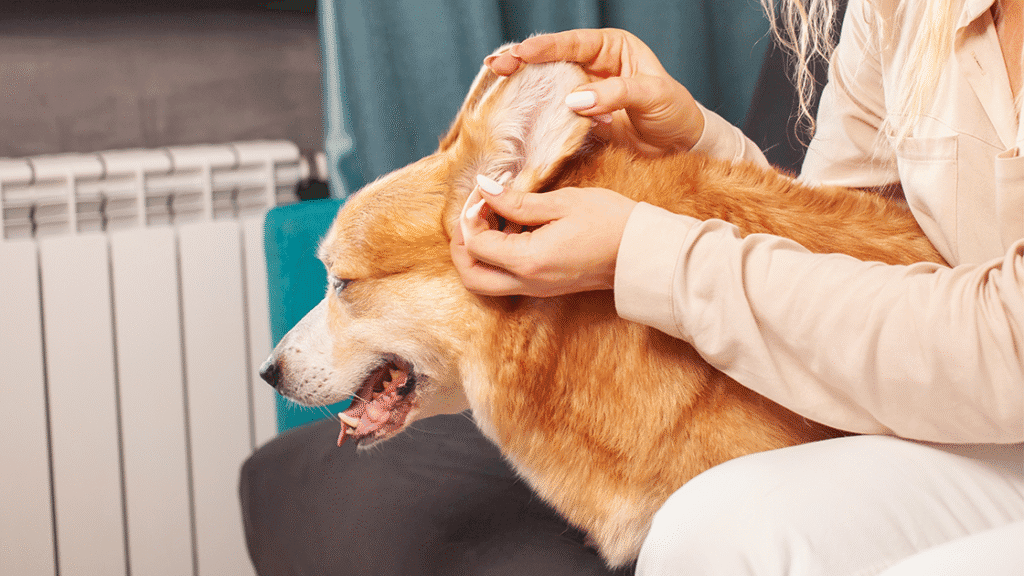
8.1 Regular Ear Cleaning and Grooming Best Practices
Appropriate ear hygiene protocols play crucial roles in preventing otitis externa recurrence, though over-cleaning can predispose to inflammation and should be avoided in healthy ears. Weekly cleaning with veterinary-approved, pH-balanced ear cleaners helps remove excess debris, wax, and environmental contaminants while maintaining normal ear canal microenvironment. Proper technique involves filling the ear canal with cleaning solution, gentle massage, and allowing the dog to shake excess solution out naturally. Cotton balls or pads should be used only for cleaning visible areas, avoiding deep insertion that might damage delicate structures. Dogs with pendulous ears, excessive hair growth, or history of recurrent infections may require more frequent cleaning schedules. Professional grooming including ear plucking in appropriate breeds helps maintain adequate ventilation.
8.2 Managing Allergies to Reduce Ear Infections
Since allergic dermatitis represents a primary cause of otitis externa in many dogs, comprehensive allergy management significantly reduces recurrence risk and improves long-term prognosis. Identification and avoidance of environmental allergens including pollen, dust mites, and chemical irritants helps minimize inflammatory triggers that predispose to secondary infections. Food allergies requiring elimination diets and novel protein sources may be necessary for some patients. Immunotherapy protocols including allergen-specific immunotherapy may provide long-term benefits for environmental allergies. Regular bathing with hypoallergenic shampoos removes surface allergens and reduces allergen burden. Omega-3 fatty acid supplementation provides anti-inflammatory benefits and supports healthy skin barrier function. Systemic allergy medications including antihistamines or immunomodulators may be necessary for severe cases.
8.3 Nutrition and Immune Health for Long-Term Prevention
Optimal nutrition supporting immune function and skin health plays important roles in preventing otitis externa recurrence and maintaining overall ear health. High-quality diets providing essential fatty acids, particularly omega-3 fatty acids from fish oil sources, support anti-inflammatory processes and healthy epithelial barrier function. Antioxidant supplementation including vitamins E and C may enhance immune responses and reduce oxidative stress associated with chronic inflammation. Probiotics supporting gastrointestinal health may provide systemic benefits for immune function and allergic responses. Adequate protein intake supports tissue repair and immune cell function, while avoiding food allergens prevents dietary triggers for inflammatory responses. Weight management reduces systemic inflammation and supports overall health. Regular monitoring of body condition and dietary adjustment based on individual patient needs optimize nutritional support.
8.4 Role of Follow-Up Veterinary Care in Maintaining Ear Health
Regular veterinary monitoring enables early detection of recurrent inflammation, assessment of treatment efficacy, and adjustment of prevention protocols based on patient response and environmental factors. Routine otoscopic examinations identify subtle changes before clinical signs develop, allowing prompt intervention and prevention of progression to severe inflammation. Cytological monitoring helps detect early microbial overgrowth and guides targeted therapy when necessary. Follow-up appointments provide opportunities for owner education reinforcement, technique demonstration, and protocol adjustment based on compliance issues or changing circumstances. Seasonal pattern recognition helps anticipate and prevent predictable recurrences through proactive treatment modifications. Documentation of treatment responses and recurrence patterns guides long-term management strategies and enables evidence-based treatment modifications. Professional coordination between veterinary dermatologists, primary care veterinarians, and specialists ensures comprehensive care for complex cases.
9. Conclusión
Class IV laser therapy is a promising adjunctive treatment for canine otitis externa, offering rapid inflammation reduction, pain relief, enhanced tissue healing, and potential recurrence prevention. Its non-invasive, drug-free approach provides an alternative for patients with chronic conditions, medication sensitivities, or suboptimal responses to conventional therapies, while supporting antimicrobial stewardship. Effective use requires proper patient selection, standardized protocols, and integration with comprehensive management, including addressing underlying causes, ear hygiene, allergy control, and regular veterinary monitoring. Client education and compliance are essential for long-term success. Future research on standardized protocols, comparative effectiveness, and long-term outcomes will help establish evidence-based guidelines. When applied appropriately and in combination with conventional care, Class IV laser therapy can improve dogs’ quality of life, offering owners a safe, effective, and innovative treatment option aligned with modern, multimodal veterinary practice.
 English
 العربية
 Français
 日本語
日本語 Português
 Español
 Русский
 Deutsch