
Contenido de la página
Introducción
The postpartum period brings many physical changes as the body adapts after childbirth. New mothers often experience changes related to muscle tension, mobility challenges, posture adjustments, and daily physical demands such as holding, feeding, and caring for a newborn. Class IV Laser Therapy, based on high-power photobiomodulation technology, has gained attention as a non-invasive approach that supports postpartum wellness routines by delivering targeted light energy to selected areas. Through deep tissue energy delivery and controlled laser parameters, this technology focuses on supporting muscle comfort, circulation, and overall recovery experiences while complementing professional postpartum care plans.
1. Understanding Class IV Laser Therapy in Postpartum Recovery Support
The postpartum stage involves a combination of physical adaptation and lifestyle changes. Understanding how Terapia láser de clase IV works can help healthcare professionals and wellness providers explore how this technology may fit into modern postpartum support programs.
1.1 Why Postpartum Muscle Comfort Becomes an Important Concern
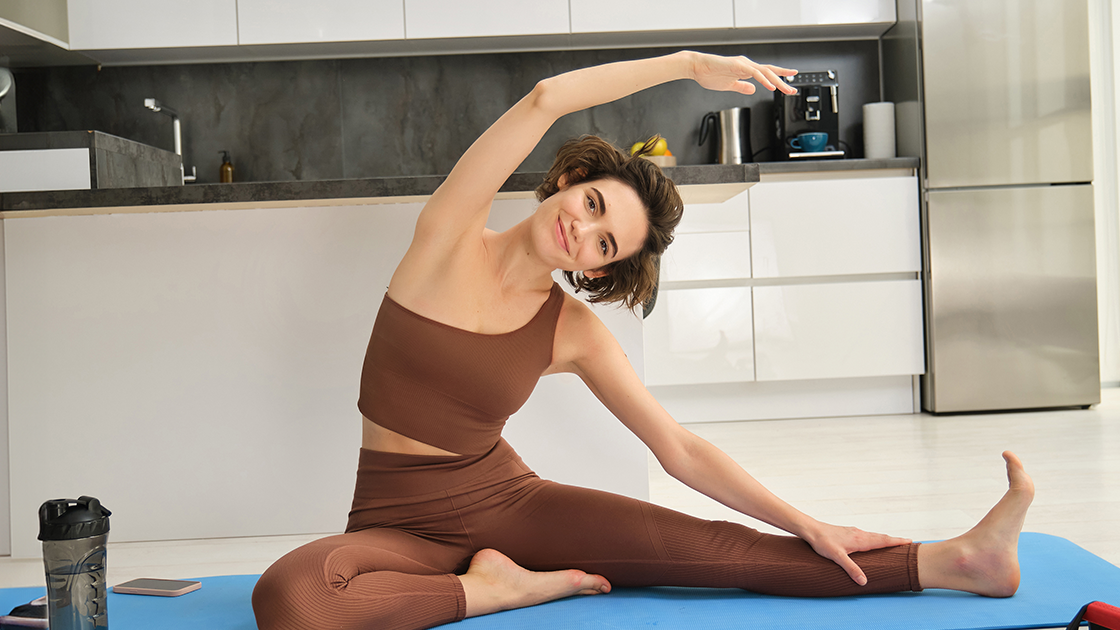
After childbirth, many women experience changes in their daily movement patterns. Carrying a newborn, breastfeeding positions, interrupted sleep, and frequent bending movements can place additional stress on different muscle groups.
Common areas of concern may include the lower back, shoulders, neck, pelvic region, and legs. These areas often experience increased physical demand as mothers adjust to new routines.
Modern postpartum care increasingly focuses on supporting overall comfort and mobility. Instead of focusing only on short-term concerns, many wellness programs now consider ways to support muscle relaxation, movement confidence, and daily activity adaptation.
Class IV Laser Therapy provides an additional technology option by using concentrated light energy to support tissue wellness and muscle comfort as part of a broader postpartum recovery approach.
1.2 How Class IV Laser Therapy Uses Photobiomodulation Technology
Class IV Laser Therapy uses high-power laser energy based on the principles of photobiomodulation. This process involves delivering specific wavelengths of light energy to targeted areas, allowing light interaction with biological tissues.
Photobiomodulation is commonly associated with cellular energy processes, including interaction with mitochondrial activity and support of normal cellular functions.
Unlike approaches that rely on mechanical pressure or invasive procedures, laser therapy uses controlled light energy delivery. The depth and intensity of Class IV laser systems allow practitioners to consider different treatment areas depending on individual needs.
For postpartum wellness applications, professionals may evaluate areas affected by daily physical activities, muscle tension, or movement changes after childbirth.
1.3 The Role of Deep Tissue Laser Technology in Postpartum Wellness Programs
One characteristic of Class IV Laser Therapy is its ability to deliver higher energy levels compared with lower-power laser systems. This allows professionals to consider deeper tissue applications when supporting muscle-related wellness goals.
Postpartum recovery often involves multiple areas of the body rather than a single location. For example, repeated lifting, feeding positions, and carrying movements may influence the neck, shoulders, upper back, and lower back.
Deep tissue laser technology provides a way to apply targeted energy based on specific body areas while maintaining a personalized approach.
The goal is not to replace professional postpartum guidance but to provide an additional supportive technology within wellness and recovery programs.
2. Common Postpartum Situations Where Class IV Laser Therapy May Support Comfort
Every postpartum experience is different. However, certain daily activities and physical adjustments are common reasons why mothers seek additional support for muscle comfort and mobility.
2.1 Supporting Lower Back Comfort After Pregnancy
The lower back undergoes significant changes during pregnancy and after delivery. Changes in posture, body balance, and daily movement habits can influence how the lower back feels during postpartum activities.
New mothers often spend extended periods sitting while feeding, lifting the baby, or performing childcare tasks. These repeated positions may contribute to muscle tension and reduced comfort.
Class IV Laser Therapy may be considered as part of a wellness routine focused on supporting lower back muscle comfort and maintaining mobility during the postpartum transition.
By using targeted laser energy, practitioners can focus on specific areas based on individual assessment and postpartum needs.
2.2 Supporting Neck and Shoulder Wellness During Baby Care
Holding and feeding a newborn requires frequent upper-body movement. Many new mothers repeatedly use the same positions throughout the day, which can influence neck and shoulder comfort.
Activities such as looking downward during feeding, carrying the baby, and adjusting sleeping positions may create additional physical demands.
Class IV Laser Therapy can be incorporated into wellness programs that focus on supporting neck and shoulder muscle relaxation and comfort.
The use of controlled laser energy allows professionals to consider different treatment areas while adapting to each individual’s condition and recovery stage.
2.3 Supporting Mobility During the Postpartum Adjustment Period
Mobility changes are common after childbirth because the body gradually adapts to new physical demands.
Daily activities such as walking, lifting, household tasks, and childcare require coordinated movement between multiple muscle groups.
Photobiomodulation-based technologies are designed to support normal tissue function through targeted light energy. Some postpartum studies have explored photobiomodulation approaches in areas related to childbirth recovery, although protocols and outcomes vary.
Class IV Laser Therapy may serve as one component of a comprehensive postpartum wellness strategy that includes movement, professional guidance, and lifestyle adjustments.
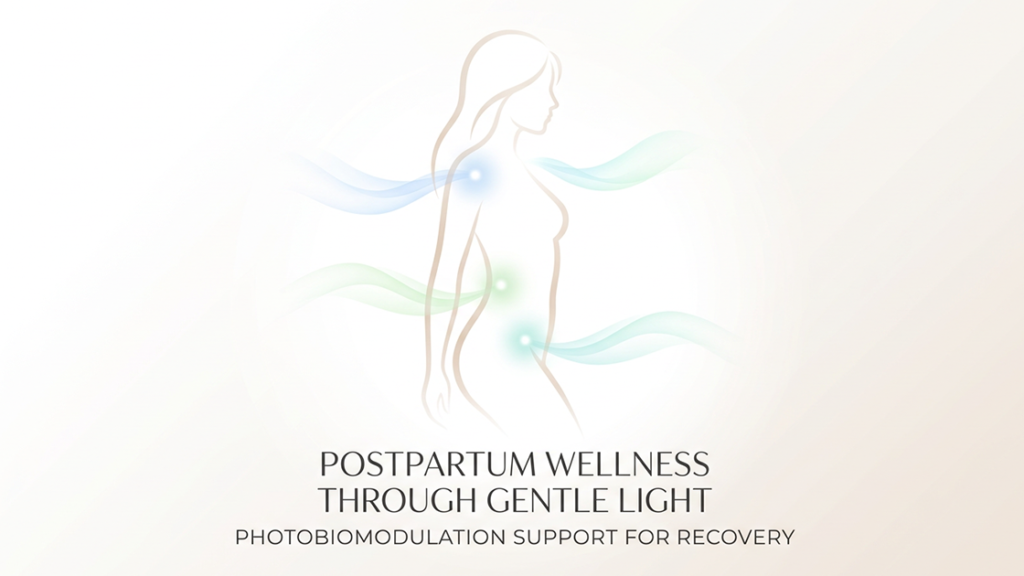
3. How Class IV Laser Therapy Fits Into Modern Postpartum Wellness
Modern postpartum care increasingly emphasizes individualized support. Technology-based wellness solutions are becoming part of broader approaches designed around comfort, mobility, and quality of life.
3.1 Combining Laser Technology With Postpartum Care Planning
Postpartum recovery involves many factors, including physical activity, nutrition, rest, and professional support.
Class IV Laser Therapy is not intended to replace traditional postpartum care. Instead, it may complement existing wellness programs by providing targeted light-based support for areas experiencing muscle-related discomfort.
Healthcare and wellness professionals can evaluate individual needs and determine whether laser therapy aligns with a person’s recovery goals.
This personalized approach helps create more balanced postpartum support plans.
3.2 The Importance of Personalized Laser Parameters
Laser therapy technology requires careful consideration of factors such as treatment area, energy settings, wavelength selection, and individual conditions.
Postpartum women may have different needs depending on childbirth experience, activity level, and recovery stage.
Professional assessment helps determine appropriate laser application strategies while considering personal comfort and wellness objectives.
A personalized approach allows Class IV Laser Therapy to better integrate into different postpartum support environments.
3.3 Supporting Active Motherhood Through Recovery-Focused Technology
The transition into motherhood involves continuous physical activity. From carrying a baby to managing daily household responsibilities, postpartum women often need to adapt to new movement patterns.
Recovery-focused technologies aim to support this adjustment by focusing on comfort, mobility, and overall wellness.
Class IV Laser Therapy represents one example of how modern technology is being explored within postpartum wellness programs, offering another option for professionals who want to provide supportive care solutions.
4. The Role of Class IV Laser Therapy in Different Postpartum Recovery Situations
Postpartum recovery is not limited to one specific physical change. New mothers experience different challenges depending on their daily activities, delivery experience, lifestyle, and individual recovery process. Class IV Laser Therapy can be considered as a supportive technology within personalized postpartum wellness programs.
4.1 Supporting Cesarean Recovery Wellness Programs
Cesarean delivery involves a surgical incision and requires a period of recovery during which many women gradually return to normal daily activities.
During this stage, postpartum women may pay attention to areas around the abdominal region, mobility patterns, and changes in daily movement. Activities such as standing up, carrying the baby, and returning to regular routines may require gradual physical adaptation.
Photobiomodulation-based technologies have been explored in postpartum and postoperative care settings because of their relationship with tissue support and comfort management. However, individual protocols and outcomes can vary depending on application methods and professional assessment.
Class IV Laser Therapy may be included as part of a broader wellness approach that focuses on supporting comfort, mobility, and recovery routines after childbirth.
4.2 Supporting Breastfeeding-Related Muscle Comfort
Breastfeeding often requires repeated positioning throughout the day. New mothers may spend extended periods maintaining similar postures while feeding, which can influence neck, shoulder, and upper-back comfort.
Common physical challenges may involve:
- prolonged sitting positions
- forward head posture
- repetitive holding movements
- upper-body muscle tension
Class IV Laser Therapy uses targeted light energy to support muscle wellness in selected areas. When integrated into professional care plans, it may help address areas where mothers experience physical stress during breastfeeding routines.
The focus remains on supporting comfort and mobility rather than replacing professional breastfeeding guidance or postpartum healthcare.
4.3 Supporting Daily Movement During Early Motherhood
The early stages of motherhood involve many repeated physical tasks. Picking up a baby, changing diapers, carrying supplies, and organizing daily activities all require frequent movement.
These repetitive activities may create additional demands on muscles that were already adapting after pregnancy.
A recovery-focused approach considers the connection between physical comfort and daily function. Class IV Laser Therapy provides professionals with another technology option when developing individualized wellness strategies for postpartum clients.
5. Future Trends of Class IV Laser Therapy in Women’s Wellness
Women’s wellness continues to expand beyond traditional approaches by incorporating technology-based solutions that focus on comfort, mobility, and personalized care. Class IV Laser Therapy represents one developing area within this trend.
5.1 The Growing Interest in Non-Invasive Postpartum Support Technologies
Many women prefer postpartum wellness approaches that fit naturally into their recovery routines. Non-invasive technologies are gaining attention because they can be integrated alongside lifestyle adjustments, movement programs, and professional support.
Photobiomodulation technology has been studied in different healthcare fields, including areas related to tissue support and comfort management. Current applications continue to develop as professionals explore appropriate protocols for different situations.
For postpartum wellness providers, Class IV Laser Therapy offers another option to consider when creating personalized support programs.
5.2 Personalized Laser Settings for Individual Postpartum Needs
Every postpartum experience is different. Factors such as delivery method, physical activity level, recovery stage, and individual comfort goals can influence the choice of wellness strategies.
Class IV Laser Therapy allows professionals to consider different parameters, including:
- treatment area
- laser intensity
- session duration
- individual response
Personalized application is important because postpartum recovery does not follow a single pattern. A customized approach helps ensure that technology supports each individual’s specific wellness goals.
5.3 Integrating Laser Technology Into Modern Women’s Health Services
Women’s health clinics, rehabilitation centers, and wellness providers continue to explore ways to combine technology with personalized care.
Class IV Laser Therapy can become part of a broader approach that includes:
- physical activity guidance
- postpartum education
- mobility support
- lifestyle adjustments
By focusing on overall wellness rather than a single concern, technology-based solutions can provide additional support during important life transitions.
FAQ
¿Qué es la terapia láser de clase IV?
Class IV Laser Therapy is a high-power photobiomodulation technology that uses controlled laser energy to support tissue wellness and muscle comfort.
Why might postpartum women consider laser therapy?
Some postpartum women explore laser therapy as part of wellness programs focused on muscle comfort, mobility support, and recovery routines.
Can Class IV Laser Therapy replace postpartum medical care?
No. It is designed as a supportive technology and should complement professional postpartum care.
What areas may be considered for postpartum laser therapy?
Common areas may include the lower back, shoulders, neck, and other muscle areas affected by daily postpartum activities.
Is every postpartum recovery plan the same?
No. Each person’s recovery experience is different, so professional assessment and personalized approaches are important.
Conclusión
The postpartum period involves significant physical adaptation as women adjust to new routines and responsibilities after childbirth. Class IV Laser Therapy, based on high-power photobiomodulation technology, provides an additional option for professionals who want to support postpartum wellness programs through targeted light energy applications. By focusing on muscle comfort, mobility support, and personalized care approaches, this technology can complement modern postpartum recovery strategies while respecting individual needs and realistic expectations.
References
Photobiomodulation Therapy in Postpartum Recovery: Current Perspectives and Applications
https://pubmed.ncbi.nlm.nih.gov/41255349
Effectiveness of Photobiomodulation for Pain Management and Wound Healing After Cesarean Section: A Systematic Review
https://pubmed.ncbi.nlm.nih.gov/42456438
Photobiomodulation for Pain, Healing, and Analgesic Use After Perineal Lacerations: A Double-Blind Randomized Controlled Trial
https://link.springer.com/article/10.1007/s00192-026-06686-5
Phototherapy – Drugs and Lactation Database (LactMed®)
https://www.ncbi.nlm.nih.gov/books/NBK500880
Effectiveness of Photobiomodulation Therapy on Pain Intensity in Postpartum Women With Nipple or Perineal Trauma
 English
 العربية
 Français
 日本語
日本語 Português
 Español
 Русский
 Deutsch