

Contenido de la página
Introducción
The modern workplace has become increasingly dependent on computers, smartphones, and digital devices. While technology has improved productivity and communication, long periods of keyboard use, mouse operation, and fixed sitting positions have created new challenges for physical comfort. Computer users such as programmers, designers, remote employees, and office professionals often experience repeated stress in areas including the hands, wrists, shoulders, and upper body. Class IV Laser Therapy, based on advanced photobiomodulation principles, has gained attention in rehabilitation and wellness environments as a technology that supports tissue recovery, circulation, and overall physical comfort. Through controlled light energy delivery and different wavelength options, modern laser therapy approaches provide professionals with additional tools for supporting individuals who experience discomfort related to repetitive digital activities.
1. Understanding Digital Workplace Stress and Modern Laser Applications
The increasing dependence on digital devices has changed daily movement patterns. Understanding how computer-related activities influence the body helps explain why advanced recovery technologies are becoming part of modern workplace wellness strategies.
1.1 How Long-Term Computer Use Influences Hand, Wrist, and Shoulder Comfort
Computer work often involves repeated low-intensity movements performed for several hours each day. Typing, clicking, scrolling, and maintaining the same arm position require continuous involvement of muscles, tendons, and connective tissues.
Unlike physical activities that involve clear periods of exercise and rest, digital work frequently creates a situation where the same movement patterns continue without sufficient variation. Over time, this may affect how individuals feel during daily activities.
The wrist and hand areas receive constant movement during keyboard and mouse use, while the shoulders and upper back may experience additional physical stress due to prolonged sitting positions. These factors have increased interest in ergonomic improvements and professional wellness approaches designed to support better physical balance.
For many digital professionals, maintaining comfort is not only related to reducing workplace strain but also supporting long-term mobility and daily performance.
1.2 Why Digital Professionals Experience Repetitive Movement Challenges
The modern digital workforce includes many occupations that require extended computer interaction. Software developers, graphic designers, online educators, financial professionals, and remote employees often spend significant portions of their working day using digital equipment.
Repeated hand movements and limited posture changes may contribute to concerns related to muscle tension, wrist fatigue, and reduced flexibility. These challenges are often connected with repetitive tasks rather than one single activity.
A balanced workplace strategy usually includes proper desk setup, regular movement breaks, stretching routines, and professional support when necessary. Technology-based approaches such as Terapia láser de clase IV are also being explored in rehabilitation settings as part of comprehensive wellness management.
By using concentrated light energy, Class IV laser systems allow professionals to focus on specific areas while adjusting parameters according to individual needs.
1.3 The Growing Role of Class IV Laser Therapy in Workplace Wellness
Class IV Laser Therapy represents a high-power form of photobiomodulation technology that uses specific wavelengths of light to interact with biological tissues. Unlike traditional low-level light devices, Class IV systems provide higher energy output, allowing professionals to apply controlled energy to deeper tissue areas.
Modern systems may combine multiple wavelengths, including red and near-infrared ranges such as 635nm, 810nm, 915nm, and 980nm. Different wavelengths have different interactions with tissue, which allows professionals to consider various application goals when developing wellness or rehabilitation plans.
For computer users, Class IV Laser Therapy is generally considered as a supportive technology that works alongside ergonomic improvements and healthy movement habits. Its role focuses on supporting tissue comfort, circulation, and recovery-related processes rather than replacing essential workplace health practices.
2. How Class IV Laser Therapy Supports Digital Workplace Recovery
As more people experience physical stress related to computer-based activities, professional environments are looking for advanced technologies that support modern recovery programs. Class IV Laser Therapy combines light science with controlled energy delivery to provide another option within rehabilitation and wellness settings.
2.1 Understanding Photobiomodulation and Cellular Energy Support
Photobiomodulation is the scientific concept behind many laser and light-based therapies. It describes how specific wavelengths of light interact with biological tissues and influence cellular processes.
During photobiomodulation, light energy is absorbed by cellular structures, including components associated with mitochondrial activity. This interaction is studied for its relationship with cellular energy production, circulation support, and tissue response mechanisms.
For computer users, this technology provides a professional approach that focuses on supporting areas affected by repetitive daily activities. The application is usually adjusted based on the location, condition of the tissue, and individual wellness goals.
The science behind photobiomodulation allows Class IV Laser Therapy to be integrated into modern rehabilitation programs that focus on supporting movement quality and physical comfort.
2.2 Why Deep Tissue Energy Delivery Matters for Computer Users
Many computer-related physical concerns involve more than surface-level areas. Muscles, tendons, and connective tissues beneath the skin may also experience stress from repetitive movements and prolonged positions.
Class IV Laser Therapy uses higher power energy delivery, which allows professionals to address targeted areas with controlled application. Different wavelengths can provide different penetration characteristics, giving practitioners more flexibility when working with areas such as the wrist, forearm, shoulder, and upper back.
For individuals who spend many hours using computers, deep tissue-focused approaches can become part of a broader wellness routine designed to support recovery after repetitive workplace activities.
The goal is to create a comprehensive approach that combines technology, movement, and ergonomic awareness.
2.3 The Importance of Multi-Wavelength Technology in Class IV Laser Therapy
One of the important developments in modern Class IV Laser Therapy is the use of multiple wavelengths within a single system. Different wavelengths interact with tissues in different ways, allowing professionals to select suitable settings according to specific application goals. Common therapeutic wavelength ranges include red light and near-infrared wavelengths such as 635nm, 810nm, 915nm, 980nm, and 1064nm.
For computer users, different areas of the body may require different considerations. The wrist contains smaller structures involved in repeated movements, while the shoulder area involves larger muscle groups affected by posture and prolonged sitting.
Multi-wavelength technology provides professionals with more flexibility when supporting different tissue areas. Instead of applying one fixed approach, practitioners can adjust energy delivery based on the location, tissue characteristics, and individual wellness goals.
This adaptability makes Class IV Laser Therapy a useful technology within modern rehabilitation environments where personalized care continues to gain importance.
3. Class IV Laser Therapy Applications for Computer-Related Physical Stress
As digital work continues to expand, many professionals are looking for ways to support physical wellness while maintaining demanding work schedules. Class IV Laser Therapy has become part of many rehabilitation and wellness programs because of its ability to provide targeted light energy applications.
3.1 Supporting Wrist and Hand Wellness for Repetitive Computer Activities
The hands and wrists are among the most active areas during computer-based work. Continuous keyboard use, mouse operation, and repetitive finger movements require frequent coordination between muscles, tendons, and joints.
Over time, repetitive workplace activities may influence wrist comfort and hand flexibility. Many digital professionals pay attention to these areas because hand function plays an important role in daily productivity.
Class IV Laser Therapy can be used by professionals as part of a broader approach focused on supporting tissue comfort in these areas. Through controlled light energy application, the technology is designed to support biological processes associated with tissue wellness.
When combined with ergonomic improvements, appropriate workstation design, and regular movement habits, laser therapy may become one component of a complete workplace wellness strategy.
3.2 Supporting Shoulder and Upper Body Comfort in Digital Work Environments
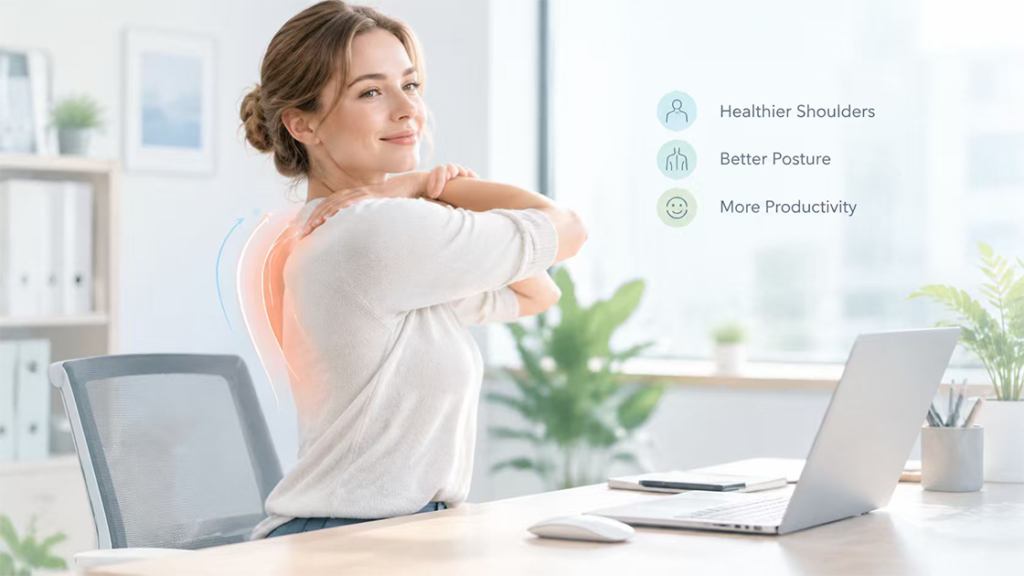
Computer-related physical stress is not limited to the hands and wrists. Many digital workers maintain forward-reaching arm positions and fixed sitting postures for extended periods, which can influence shoulder and upper-body comfort.
The shoulder area contains multiple muscles and connective tissues that contribute to arm movement and posture stability. Maintaining the same position for long periods may increase physical tension and reduce movement variety.
Class IV Laser Therapy allows professionals to apply targeted energy to larger areas such as the shoulder and upper back. The combination of deep energy delivery and adjustable parameters provides flexibility when creating personalized wellness programs.
This approach focuses on supporting comfortable movement patterns and recovery routines for individuals whose work requires extended computer use.
3.3 How Laser Therapy Complements Ergonomic Workplace Practices
Technology alone is not the only factor in maintaining workplace wellness. Ergonomics remains an essential part of managing the physical demands of digital work.
Proper desk height, suitable chair support, screen positioning, and regular movement breaks all contribute to healthier workplace habits.
Class IV Laser Therapy is generally viewed as a complementary option that works together with these practices. By combining professional technology with daily habits, computer users can create a more complete approach to supporting physical comfort.
The increasing connection between rehabilitation technology and workplace wellness reflects a broader trend toward preventive and personalized health management.
4. The Science Behind Class IV Laser Therapy for Digital Professionals
Understanding the scientific principles behind Class IV Laser Therapy helps explain why this technology has become increasingly recognized in rehabilitation and wellness environments.
4.1 Light Energy and Tissue Interaction in Photobiomodulation
Photobiomodulation works through the interaction between specific light wavelengths and biological tissues. When light energy reaches targeted areas, it may influence cellular activity and support natural tissue responses.
Research on photobiomodulation has explored how different wavelengths interact with cellular structures and contribute to biological processes related to energy production and tissue response.
Class IV Laser Therapy uses higher energy output compared with traditional low-power light devices, allowing professionals to deliver controlled energy to selected areas.
For digital professionals, this technology provides another option within rehabilitation settings where the goal is to support tissue wellness and maintain comfortable movement.
4.2 The Relationship Between Laser Parameters and Treatment Planning
Laser therapy is not based on a single setting for every person. Professionals consider multiple factors when planning applications, including the treatment area, tissue characteristics, energy level, and individual needs.
Wavelength selection is particularly important because different wavelengths have different absorption and penetration characteristics. Near-infrared wavelengths are commonly used in Class IV systems because they can support applications involving deeper tissue areas.
A customized approach allows professionals to adjust technology use according to different workplace-related concerns, whether focusing on smaller areas such as wrists or broader areas such as shoulders.
This personalized planning is an important part of modern rehabilitation technology.
4.3 Why Advanced Laser Technology Is Becoming Part of Modern Rehabilitation
Rehabilitation continues to evolve with the introduction of new technologies that support individualized care.
Traditional approaches such as exercise programs, manual techniques, and ergonomic education remain important. However, advanced technologies provide additional options for professionals who want to expand their available tools.
Class IV Laser Therapy represents one example of how light-based technology is being integrated into modern rehabilitation environments.
For computer users, this technology reflects the growing interest in solutions that support mobility, comfort, and long-term workplace wellness.
5. The Future of Digital Workplace Wellness and Laser Technology
The relationship between technology and workplace health continues to develop as more people spend their daily lives connected to digital devices.
Future workplace wellness strategies are expected to focus more on personalized approaches that consider individual work habits, physical demands, and lifestyle factors.
5.1 The Growing Need for Personalized Recovery Solutions
Digital work environments are not identical. A software developer, graphic designer, financial analyst, and remote employee may all use computers differently and experience different physical demands.
Because of these differences, personalized wellness strategies are becoming increasingly important.
Class IV Laser Therapy supports this direction by allowing professionals to adjust application methods according to specific areas and individual requirements.
Rather than using a universal approach, modern rehabilitation increasingly focuses on customized support that matches each person’s lifestyle and physical needs.
5.2 How Class IV Laser Therapy Fits Into Future Workplace Health Programs
As workplaces continue to become more digital, supporting employee wellness will remain an important topic.
Future workplace health programs may combine ergonomic design, movement education, rehabilitation services, and advanced technologies.
Class IV Laser Therapy provides professionals with another technology-based option for supporting individuals who experience physical stress associated with repetitive digital activities.
Its role within workplace wellness continues to expand as more attention is placed on maintaining mobility, comfort, and overall physical balance.
FAQ
¿Qué es la terapia láser de clase IV?
Class IV Laser Therapy is a high-power photobiomodulation technology that uses controlled light energy to support tissue wellness and recovery-related processes.
Can computer users benefit from Class IV Laser Therapy?
Computer users may consider Class IV Laser Therapy as part of a professional wellness approach focused on supporting hand, wrist, shoulder, and upper-body comfort.
Which areas are commonly considered for computer-related laser applications?
Common areas include the wrists, hands, forearms, shoulders, and upper back regions affected by repetitive digital activities.
Does laser therapy replace ergonomic workplace habits?
No. Laser therapy is generally used as a complementary approach alongside proper ergonomics, movement habits, and professional guidance.
Conclusión
The increasing use of computers has changed modern work patterns and created new considerations for hand, wrist, shoulder, and upper-body wellness. Class IV Laser Therapy, based on photobiomodulation technology and multi-wavelength energy delivery, provides professionals with an additional tool for supporting tissue comfort and recovery-focused care in rehabilitation environments. For digital workers, combining advanced laser technology with ergonomic practices and healthy movement habits creates a more comprehensive approach to workplace wellness. As technology continues to develop, personalized solutions such as Class IV Laser Therapy may continue to play a role in modern approaches to supporting physical comfort in digital workplaces.
References
Photobiomodulation as Medicine: Low-Level Laser Therapy for Acute Tissue Injury or Sport Performance Recovery
https://pmc.ncbi.nlm.nih.gov/articles/PMC11503318
Utilization of the 1064 nm Wavelength in Photobiomodulation: A Systematic Review and Meta-Analysis
https://journals.sbmu.ac.ir/jlms/article/view/32909
Photobiomodulation Therapy Comes of Age
https://www.photonics.com/Articles/Photobiomodulation_Therapy_Comes_of_Age/a61531
Explicación de la terapia láser de clase IV
https://class4lasers.com/2022/12/04/class-4-laser-therapy-explained/
Guide to Class 4 Therapy Lasers and Class IV
https://class4lasers.com/wp-content/uploads/2024/06/2024-Guide-to-Class-4-Therapy-Lasers.pdf
 English
 العربية
 Français
 日本語
日本語 Português
 Español
 Русский
 Deutsch