
Contenido de la página
1. Introduction to Laser Therapy and Circulation
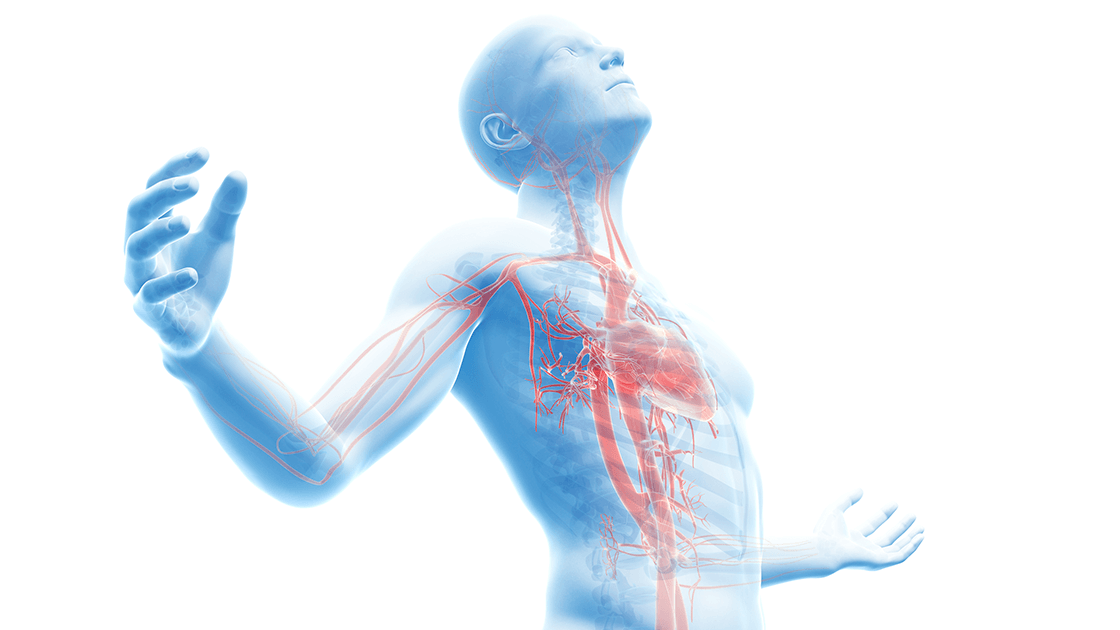
The human circulatory system serves as the body’s primary highway for delivering essential nutrients, oxygen, and healing compounds to tissues throughout the body. When circulation becomes compromised due to injury, disease, or aging, the body’s natural healing mechanisms slow down significantly. This is where laser therapy emerges as a revolutionary, non-invasive solution that naturally enhances blood flow and accelerates the healing process. Modern laser therapy represents a convergence of cutting-edge photonics technology and deep understanding of cellular biology. By harnessing specific wavelengths of light, this therapeutic approach stimulates the body’s innate healing mechanisms at the cellular level, promoting improved circulation without the need for pharmaceutical interventions or invasive procedures.
1.1 ¿Qué es la terapia láser?
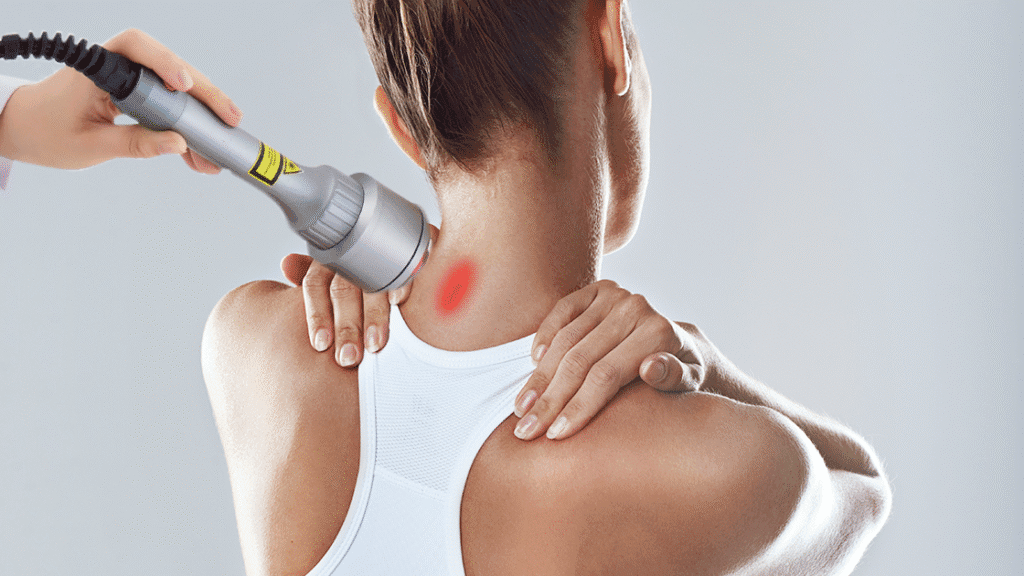
La terapia láser, también conocida como fotobiomodulación (PBM), utilizes specific wavelengths of coherent light to stimulate cellular processes within soft tissues. The term “laser” stands for Light Amplification by Stimulated Emission of Radiation, representing a highly focused, monochromatic light source that penetrates tissues with remarkable precision. Clinical laser systems typically operate within the red and near-infrared spectrum, ranging from 630 to 1000 nanometers, as these wavelengths demonstrate optimal tissue penetration and cellular absorption characteristics. The therapeutic mechanism involves photon absorption by chromophores within cells, particularly cytochrome c oxidase in the mitochondrial respiratory chain. This photochemical process initiates a cascade of beneficial cellular responses, including enhanced adenosine triphosphate (ATP) production, improved cellular metabolism, and activation of various signaling pathways that promote tissue repair and regeneration.
1.2 The Role of Healthy Blood Flow in Soft Tissue Repair
Adequate microcirculation forms the foundation of effective tissue repair and regeneration. Blood flow serves multiple critical functions in maintaining tissue health and facilitating recovery from injury or disease. The cardiovascular system delivers oxygen, glucose, amino acids, vitamins, and minerals necessary for cellular metabolism and protein synthesis. Simultaneously, venous circulation removes metabolic waste products, carbon dioxide, and inflammatory mediators that can impede healing processes. In healthy tissues, capillary perfusion maintains optimal oxygen tension and nutrient availability. However, various pathological conditions can compromise this delicate balance. Trauma, inflammation, diabetes, peripheral arterial disease, and age-related vascular changes can all reduce tissue perfusion, creating hypoxic conditions that delay healing and promote tissue degeneration. Understanding these physiological principles provides the foundation for appreciating how laser therapy can restore optimal circulation patterns.
1.3 Why Natural Circulation Enhancement is Critical for Recovery
The body’s natural healing response depends heavily on adequate vascular perfusion and lymphatic drainage. When circulation becomes compromised, tissues experience reduced oxygen delivery, impaired nutrient transport, and accumulation of metabolic waste products. These conditions create a pathological cycle where poor circulation leads to tissue dysfunction, which further compromises vascular health and delays recovery. Traditional approaches to circulation enhancement often rely on pharmaceutical vasodilators or invasive procedures that carry potential side effects and complications. Natural circulation enhancement through laser therapy offers a safer, more physiological approach that works with the body’s existing mechanisms rather than overriding them. This approach promotes sustainable improvements in tissue perfusion while supporting the body’s innate healing capabilities.
2. Mechanisms of Laser Therapy for Improved Blood Flow
The scientific foundation of laser therapy’s circulatory benefits lies in its ability to interact with cellular and molecular targets that regulate vascular function. Understanding these mechanisms provides insight into how targeted light therapy can produce measurable improvements in tissue perfusion and overall healing outcomes.
2.1 Photobiomodulation (PBM) and Its Effect on Microcirculation in Soft Tissues
Photobiomodulation represents the fundamental mechanism by which laser therapy influences cellular behavior and tissue function. When specific wavelengths of light penetrate soft tissues, they are absorbed by photoacceptor molecules, primarily cytochrome c oxidase in the mitochondrial electron transport chain. This photochemical interaction triggers a cascade of beneficial cellular responses that directly impact microcirculatory function. Research demonstrates that low-level laser therapy accelerates collateral circulation and enhances microcirculation, leading to normalization of functional features in injured areas. The photobiomodulation process stimulates endothelial cell proliferation and angiogenesis, promoting the formation of new capillary networks that improve tissue perfusion. Additionally, PBM enhances the flexibility and deformability of red blood cells, allowing for improved flow through narrow capillaries and better oxygen delivery to tissues. This mechanism is particularly important in areas with compromised circulation where traditional blood flow may be restricted.
2.2 Laser Therapy Stimulation of Nitric Oxide Release
Nitric oxide (NO) serves as one of the most important endogenous vasodilators in the human body, playing a crucial role in regulating vascular tone and blood flow. Studies demonstrate that photobiomodulation with red laser light at 660 nm produces hypotensive and vasodilatory effects through modulation of nitric oxide release. The photochemical interaction between laser light and cellular chromophores stimulates endothelial nitric oxide synthase (eNOS) activity, increasing NO production and release from vascular endothelial cells. Research has shown that red light at 670 nm facilitates vasodilation via endothelium-derived vasoactive species containing nitric oxide. This NO-mediated vasodilation occurs through activation of guanylyl cyclase, leading to increased cyclic guanosine monophosphate (cGMP) levels and subsequent smooth muscle relaxation. The resulting vessel dilation improves blood flow capacity and reduces vascular resistance, enhancing nutrient and oxygen delivery to target tissues while facilitating waste product removal.

2.3 Vasodilation: Expanding Blood Vessels for Better Oxygen Delivery
The vasodilatory effects of laser therapy extend beyond simple NO release, involving multiple complementary mechanisms that work synergistically to improve vascular function. Laser therapy causes vasodilation through increased diameter of blood vessels, which improves delivery of blood and healing elements to damaged tissues. This process involves direct effects on vascular smooth muscle cells and indirect effects through paracrine signaling from treated tissues. Laser-induced vasodilation occurs through multiple pathways, including prostaglandin synthesis, histamine release, and adenosine production. These molecules work collectively to relax arterial smooth muscle and increase vessel diameter, reducing peripheral resistance and improving perfusion pressure. The enhanced blood flow delivers increased oxygen tension to hypoxic tissues, supporting aerobic metabolism and promoting faster healing. This improved oxygenation also helps prevent the formation of harmful reactive oxygen species that can damage tissues and impede recovery.
2.4 Reducing Oxidative Stress and Promoting Endothelial Function
Oxidative stress represents a significant barrier to optimal circulation and tissue healing, as excessive reactive oxygen species (ROS) can damage endothelial cells and impair their ability to regulate vascular tone. Laser therapy addresses this challenge by promoting antioxidant enzyme activity and reducing cellular oxidative burden. The photobiomodulation process upregulates superoxide dismutase, catalase, and glutathione peroxidase activity, creating a more favorable redox environment for endothelial function. Improved endothelial health translates directly into better circulatory function, as healthy endothelium produces appropriate amounts of vasoactive substances and maintains optimal barrier function. Laser therapy also stimulates the production of endothelium-derived relaxing factors beyond NO, including prostacyclin and endothelium-derived hyperpolarizing factor (EDHF), which contribute to sustained improvements in vascular reactivity and blood flow regulation. This comprehensive approach to endothelial health supports long-term improvements in circulation and tissue perfusion.
3. Clinical Benefits of Laser Therapy for Soft Tissue Circulation
The therapeutic advantages of laser therapy for circulation enhancement extend far beyond simple blood flow improvement, encompassing a comprehensive range of physiological benefits that support optimal tissue health and accelerated healing. These clinical benefits have been documented extensively in peer-reviewed research and translate into meaningful improvements in patient outcomes across diverse medical conditions.
3.1 Enhancing Oxygen and Nutrient Delivery to Soft Tissues
Improved oxygen delivery represents one of the most fundamental benefits of laser-enhanced circulation, as tissue oxygenation drives virtually all cellular metabolic processes essential for healing and regeneration. Research confirms that laser therapy significantly increases skin perfusion, with the most evident effects observed in patients with tissue abnormalities. Enhanced blood flow increases oxygen partial pressure in target tissues, supporting aerobic metabolism and ATP production necessary for cellular repair processes. The improved nutrient delivery extends beyond oxygen to include essential building blocks for tissue repair, including amino acids, glucose, vitamins, and minerals. Enhanced circulation ensures that cells have adequate access to these materials when metabolic demands increase during healing. Additionally, improved blood flow facilitates the delivery of growth factors, cytokines, and other signaling molecules that coordinate the healing response, ensuring that cellular communication remains optimal throughout the recovery process.
3.2 Faster Removal of Metabolic Waste and Toxins
Effective waste removal proves equally important to nutrient delivery in maintaining tissue health and supporting healing processes. Compromised circulation often leads to accumulation of metabolic byproducts, including lactate, carbon dioxide, and inflammatory mediators that can impede cellular function and delay healing. Laser therapy addresses this challenge by improving both arterial inflow and venous outflow, creating more efficient clearance of waste products from treated tissues. Enhanced lymphatic drainage represents another critical component of waste removal, as the lymphatic system removes proteins, immune complexes, and cellular debris that cannot be cleared through the venous system alone. Laser therapy stimulates lymphatic vessel contractility and promotes lymphangiogenesis, improving the capacity for fluid drainage and reducing tissue edema. This improved drainage helps maintain optimal tissue pressure and prevents the accumulation of inflammatory mediators that can perpetuate tissue damage and delay healing.
3.3 Improving Microvascular Perfusion in Injured or Compromised Areas
Microvascular perfusion represents the most critical level of circulation for tissue health, as nutrient and gas exchange occurs exclusively at the capillary level. Injury, inflammation, and various disease processes can severely compromise microcirculation through capillary damage, endothelial dysfunction, and increased vascular permeability. Studies investigating therapeutic dose ranges for laser therapy demonstrate significant increases in blood flow to treated areas, with improvements that translate into measurable clinical benefits. Laser therapy promotes microvascular repair through multiple mechanisms, including stimulation of endothelial cell proliferation, enhancement of basement membrane integrity, and promotion of pericyte function. These improvements help restore normal capillary architecture and function, ensuring that tissues receive adequate perfusion even under challenging conditions. The enhanced microcirculation also improves tissue resilience, making treated areas more resistant to future injury and better able to maintain function under stress.
3.4 Reducing Edema and Swelling with Enhanced Lymphatic Flow
Edema formation represents a common consequence of tissue injury and compromised circulation, creating additional barriers to healing and contributing to patient discomfort. Excessive fluid accumulation increases tissue pressure, compresses blood vessels, and impedes nutrient delivery, creating a pathological cycle that can perpetuate inflammation and delay recovery. Laser therapy interrupts this cycle by improving both blood and lymphatic circulation, promoting more efficient fluid balance in treated tissues. The anti-edematous effects of laser therapy result from improved venous return, enhanced lymphatic drainage, and stabilization of capillary permeability. By addressing multiple components of fluid homeostasis simultaneously, laser therapy produces more comprehensive and sustained reductions in tissue swelling compared to approaches that target individual pathways. This improved fluid balance creates optimal conditions for cellular function and tissue repair while reducing patient discomfort and improving functional outcomes.
4. Evidence-Based Research on Laser Therapy and Circulation
The scientific evidence supporting laser therapy for circulation enhancement has grown substantially over the past decade, with numerous high-quality studies demonstrating measurable improvements in blood flow parameters and clinical outcomes. This research foundation provides confidence in the therapeutic approach and guides optimal treatment protocols for various clinical applications.
4.1 PubMed Clinical Trials on Laser Therapy and Blood Flow
PubMed database contains extensive research documenting the circulatory benefits of laser therapy across diverse patient populations and clinical conditions. Clinical trials evaluating photobiomodulation therapy protocols demonstrate significant effects on blood flow and muscle function, providing objective evidence for therapeutic efficacy. These studies utilize sophisticated measurement techniques, including laser Doppler flowmetry, near-infrared spectroscopy, and ultrasound imaging to quantify changes in tissue perfusion. Recent randomized controlled trials have demonstrated consistent improvements in blood flow parameters following laser therapy interventions. These studies show not only immediate increases in perfusion but also sustained improvements that continue for weeks or months after treatment completion. The research encompasses both healthy subjects and patients with various circulatory disorders, providing evidence for therapeutic benefits across diverse populations and clinical scenarios.
4.2 Scientific Evidence of Laser Therapy for Peripheral Circulation Disorders
Peripheral circulation disorders, including peripheral arterial disease, diabetic neuropathy, and chronic venous insufficiency, represent significant clinical challenges that can benefit substantially from laser therapy interventions. Research on intravascular laser irradiation demonstrates significant impacts on hemodynamic variables, including blood pressure and heart rate improvements in patients with compromised circulation. These studies document measurable improvements in ankle-brachial index, transcutaneous oxygen measurements, and symptom scores. The evidence for laser therapy in peripheral circulation disorders extends beyond simple blood flow measurements to include functional outcomes such as walking distance, pain reduction, and quality of life improvements. Long-term follow-up studies demonstrate sustained benefits that persist for months after treatment completion, suggesting that laser therapy produces structural and functional improvements rather than simply temporary vasodilation. This evidence supports the use of laser therapy as both a primary treatment and adjunctive therapy for patients with peripheral circulation disorders.
4.3 Comparative Studies: Laser Therapy vs. Conventional Treatments
Comparative effectiveness research provides important insights into how laser therapy performs relative to established treatment modalities for circulation disorders. Studies comparing laser therapy to pharmaceutical vasodilators, physical therapy, and other conventional treatments consistently demonstrate either equivalent or superior outcomes with laser interventions. These comparisons are particularly valuable because they account for placebo effects and provide objective assessments of therapeutic efficacy. The advantages of laser therapy become particularly apparent when considering safety profiles and side effect rates. While pharmaceutical approaches often carry risks of hypotension, drug interactions, and systemic side effects, laser therapy demonstrates excellent safety records with minimal adverse events. This favorable risk-benefit profile makes laser therapy particularly attractive for patients who cannot tolerate conventional treatments or prefer non-pharmaceutical approaches to managing their circulation disorders.
4.4 Long-Term Outcomes and Functional Recovery in Patients
Long-term outcome studies provide crucial evidence regarding the durability of laser therapy benefits and the potential for sustained improvements in circulation and functional capacity. Follow-up periods extending from months to years demonstrate that the circulatory improvements achieved with laser therapy tend to be maintained over time, particularly when combined with appropriate lifestyle modifications and continued care. Functional recovery assessments show that improved circulation translates into meaningful improvements in daily activities, exercise tolerance, and overall quality of life. Patients report reduced pain, improved mobility, and enhanced ability to perform activities of daily living. These functional improvements often exceed what might be expected from circulation measurements alone, suggesting that laser therapy produces beneficial effects beyond simple blood flow enhancement, including improvements in tissue metabolism, nerve function, and overall physiological resilience.
5. Conditions that Benefit from Improved Blood Flow via Laser Therapy
The therapeutic applications of laser therapy for circulation enhancement span a remarkable range of medical conditions, from acute sports injuries to chronic degenerative diseases. Understanding these applications helps clinicians and patients identify appropriate candidates for treatment and set realistic expectations for therapeutic outcomes.
5.1 Sports Injuries: Muscle Strains, Sprains, and Tendon Recovery
Athletic injuries commonly involve tissue damage that compromises local circulation, creating hypoxic conditions that delay healing and increase the risk of chronic dysfunction. Muscle strains, ligament sprains, and tendon injuries benefit significantly from the enhanced circulation provided by laser therapy. Improved blood flow delivers essential nutrients and oxygen to damaged tissues while facilitating the removal of inflammatory mediators and cellular debris that can impede recovery. The enhanced circulation also supports the delivery of growth factors and stem cells to injury sites, promoting more rapid and complete tissue regeneration. Studies in athletic populations demonstrate faster return to sport, reduced pain levels, and improved functional outcomes when laser therapy is incorporated into comprehensive rehabilitation programs. The non-invasive nature of laser therapy makes it particularly attractive for athletes who wish to avoid pharmaceutical interventions that might affect performance or violate competition regulations.
5.2 Diabetic Neuropathy and Poor Circulation Management
Diabetes mellitus frequently leads to peripheral neuropathy and compromised circulation, particularly in the lower extremities. These complications result from both microvascular damage and metabolic dysfunction that impair nerve function and tissue healing. Laser therapy addresses multiple aspects of diabetic complications by improving microcirculation, reducing oxidative stress, and supporting nerve regeneration processes. Clinical studies in diabetic patients demonstrate improvements in sensory function, reduction in neuropathic pain, and enhanced wound healing capacity following laser therapy interventions. The improved circulation helps maintain tissue viability and reduces the risk of ulceration and infection. For patients with diabetic foot complications, laser therapy can be particularly valuable as an adjunctive treatment that supports conventional wound care and helps prevent progression to more severe complications requiring amputation.
5.3 Arthritis and Degenerative Joint Conditions
Osteoarthritis and other degenerative joint conditions involve cartilage breakdown, synovial inflammation, and compromised circulation within joint structures. The avascular nature of cartilage makes it particularly dependent on diffusion from surrounding tissues for nutrient delivery, making circulation enhancement critical for maintaining joint health. Laser therapy improves perfusion in periarticular tissues, supporting cartilage metabolism and reducing inflammatory processes within joints. The anti-inflammatory effects of laser therapy complement its circulatory benefits, creating synergistic improvements in joint function and pain reduction. Patients with arthritis often experience improved range of motion, reduced joint stiffness, and decreased pain levels following laser therapy treatments. The improved circulation also supports the delivery of nutrients necessary for cartilage maintenance and repair, potentially slowing the progression of degenerative changes.
5.4 Post-Surgical Recovery and Scar Tissue Healing
Surgical procedures inevitably disrupt normal tissue architecture and circulation, creating challenges for optimal healing and functional recovery. Post-operative edema, scar formation, and compromised blood flow can all contribute to delayed healing and suboptimal outcomes. Laser therapy addresses these challenges by promoting angiogenesis, reducing inflammation, and supporting the formation of functional rather than pathological scar tissue. The enhanced circulation provided by laser therapy accelerates wound healing, reduces the risk of infection, and promotes more favorable scar formation. Studies in post-surgical patients demonstrate faster healing times, improved cosmetic outcomes, and reduced complications when laser therapy is incorporated into post-operative care protocols. The ability to begin treatment immediately after surgery makes laser therapy particularly valuable for optimizing surgical outcomes and patient satisfaction.
5.5 Circulatory Disorders: Peripheral Artery Disease (PAD) Support
Peripheral artery disease represents one of the most challenging circulatory disorders, characterized by atherosclerotic narrowing of peripheral arteries that reduces blood flow to extremities. Traditional treatments focus on revascularization procedures or pharmaceutical interventions, but these approaches may not be suitable for all patients. Laser therapy offers a complementary approach that can improve collateral circulation and tissue perfusion even in the presence of arterial narrowing. The ability of laser therapy to stimulate angiogenesis and improve microcirculation makes it particularly valuable for PAD patients who may not be candidates for surgical intervention. Clinical studies demonstrate improvements in walking distance, reduction in claudication pain, and enhanced quality of life measures. The treatment can be used safely in conjunction with conventional PAD therapies, providing additional benefits without increasing treatment risks or complications.
6. Advantages of Laser Therapy for Circulation
The therapeutic advantages of laser therapy for circulation enhancement extend well beyond its direct physiological effects, encompassing practical benefits that make it an attractive option for both patients and healthcare providers. These advantages contribute to high patient satisfaction rates and excellent treatment compliance.
6.1 Non-Invasive and Drug-Free Approach to Circulation Support
One of the most significant advantages of laser therapy lies in its completely non-invasive nature, eliminating the risks associated with surgical procedures or pharmaceutical interventions. Patients receive treatment while fully clothed and comfortable, with no need for incisions, injections, or anesthesia. This approach eliminates surgical risks such as infection, bleeding, or adverse reactions to anesthesia while providing effective therapeutic benefits. The drug-free nature of laser therapy makes it particularly valuable for patients who cannot tolerate conventional medications due to allergies, drug interactions, or systemic health conditions. Many patients prefer natural approaches to healing that work with their body’s existing mechanisms rather than introducing foreign substances that may cause undesirable side effects. This preference becomes particularly important for patients requiring long-term treatment or those with multiple medical conditions requiring complex medication regimens.
6.2 Safe for All Age Groups and Health Profiles
Laser therapy demonstrates an excellent safety profile across diverse patient populations, from pediatric patients to elderly individuals with multiple comorbidities. The treatment produces no significant side effects and carries minimal contraindications, making it accessible to patients who might not be candidates for other therapeutic interventions. This broad applicability makes laser therapy valuable in clinical settings where patient populations include individuals with complex medical histories. The safety profile extends to patients with conditions that might complicate other treatments, such as bleeding disorders, immunosuppression, or cardiac conditions. Pregnant women can receive laser therapy for appropriate conditions without risk to fetal development. The absence of ionizing radiation or thermal damage makes the treatment safe for repeated applications over extended periods, allowing for optimal therapeutic dosing without cumulative risks.
6.3 Accelerated Healing, Reduced Downtime, and Improved Circulatory Health
The circulatory improvements achieved through laser therapy translate into measurable reductions in healing time across various conditions. Patients typically experience faster resolution of symptoms, earlier return to normal activities, and reduced need for extended medical care. This acceleration of healing provides both medical and economic benefits, reducing overall healthcare costs while improving patient outcomes and satisfaction. The treatment’s ability to be administered in outpatient settings without downtime makes it particularly attractive for working individuals and athletes who cannot afford extended periods of inactivity. Patients can receive treatment during lunch breaks or between other activities, making it easy to incorporate into busy schedules. The cumulative nature of laser therapy benefits means that each treatment builds upon previous sessions, creating progressive improvements in circulation and overall health.
6.4 Synergistic Benefits When Combined with Physical Therapy
Laser therapy demonstrates excellent compatibility with other therapeutic modalities, particularly physical therapy and rehabilitation programs. The improved circulation and reduced inflammation provided by laser therapy create optimal conditions for exercise therapy, manual therapy, and other rehabilitation interventions. This synergy allows therapists to achieve better outcomes in shorter timeframes while reducing patient discomfort during treatment sessions. The combination of laser therapy with exercise therapy is particularly powerful, as improved circulation supports tissue adaptation to increased activity levels while reducing the risk of exercise-induced injury. Patients often find that they can tolerate more intensive rehabilitation programs when laser therapy is included in their treatment plan, leading to faster functional improvements and earlier achievement of therapeutic goals.
7. Final Thoughts: A Natural Approach to Circulation and Healing
Laser therapy represents a paradigm shift in treating circulation disorders and tissue healing, offering a natural, evidence-based alternative to conventional methods with higher risks and side effects. By harnessing the body’s innate healing mechanisms through targeted light, it provides an elegant solution to complex physiological challenges. A growing body of scientific research supports laser therapy’s role in enhancing circulation and guiding optimized treatment protocols. As understanding of photobiomodulation advances, more refined and effective clinical applications are expected. The future of circulation care lies in personalized, multi-modal approaches that integrate conventional and alternative methods. With its safety, non-invasiveness, and compatibility with other treatments, laser therapy forms an ideal foundation for comprehensive programs that address both symptoms and root causes. For patients seeking natural, patient-centered care, laser therapy stands out as a proven, gentle technology that empowers lasting health improvements through light-based healing.
 English
 العربية
 Français
 日本語
日本語 Português
 Español
 Русский
 Deutsch