
Seite Inhalt
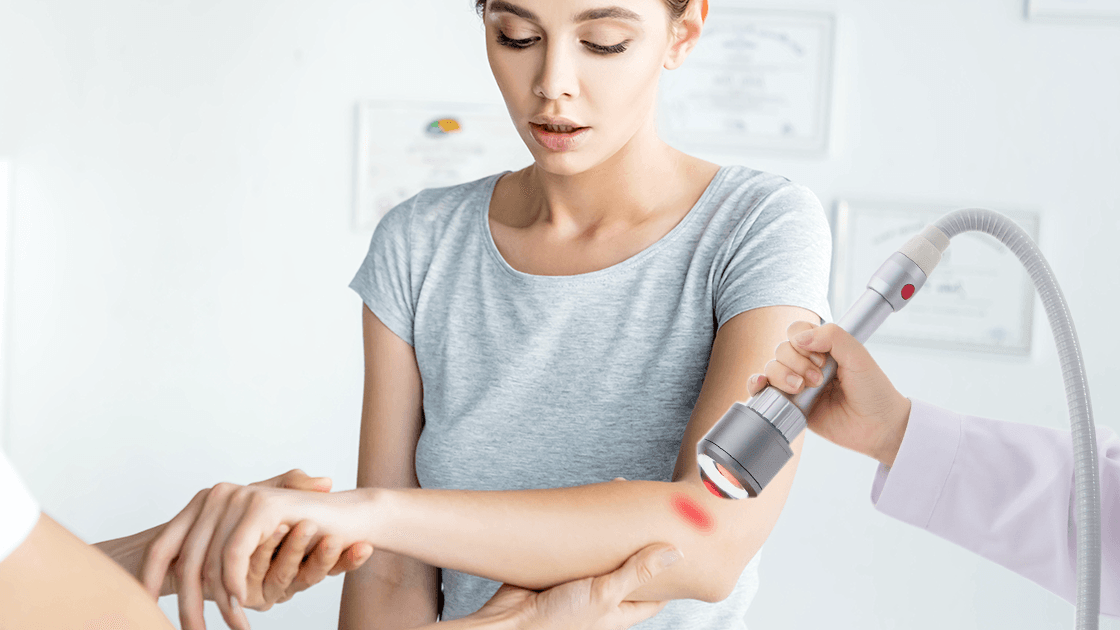
Class 4 laser therapy represents a revolutionary advancement in non-invasive medical treatment, offering powerful therapeutic benefits across numerous conditions affecting muscles, joints, nerves, and soft tissues. This high-powered photobiomodulation technology has transformed pain management and tissue healing protocols, providing patients with effective alternatives to surgery and pharmaceutical interventions. Understanding the comprehensive benefits of Class 4 laser therapy enables both healthcare providers and patients to make informed decisions about incorporating this innovative treatment into comprehensive care plans.
1. The Science Behind Class 4 Laser Therapy
The therapeutic foundation of Class 4 laser therapy lies in its sophisticated ability to deliver precise wavelengths of light energy that interact with cellular components at the molecular level. This scientifically-proven technology harnesses the power of photobiomodulation to stimulate natural healing processes while providing immediate symptomatic relief.
1.1 How Class 4 Laser Therapy Works: Mechanisms of Action
Lasertherapie, or photobiomodulation, is the process of photons entering the tissue and interacting with the cytochrome c complex within the cell mitochondria, initiating cascades of beneficial biological responses. Class 4 lasers deliver therapeutic wavelengths typically ranging from 800-1000 nanometers, with power outputs exceeding 500 milliwatts that enable deep tissue penetration up to 10-13 centimeters. The work of Tiina Karu in Russia was instrumental in putting the mechanism on a sound footing by identifying cytochrome c oxidase in the mitochondrial respiratory chain as a primary chromophore. The absorbed light energy triggers conformational changes in cytochrome c oxidase, leading to increased electron transport chain efficiency, enhanced ATP production, and activation of multiple cellular signaling pathways essential for tissue repair and regeneration.
1.2 Deep Tissue Penetration and Cellular Response
The deeper penetration not only provides a greater impact on pain relief and inflammation reduction but also contributes to enhanced circulation and faster tissue repair. Class 4 lasers achieve superior tissue penetration compared to lower-class devices through higher power density and optimal wavelength selection that minimizes absorption by superficial chromophores while maximizing therapeutic effects in target tissues. The photons interact with cellular components including mitochondria, cell membranes, and various enzymes, triggering immediate biochemical responses. These interactions stimulate nitric oxide release, modulate calcium channels, activate transcription factors, and enhance cellular metabolism. The depth of penetration allows treatment of deep-seated pathology including joint capsules, muscle bellies, and neural structures previously inaccessible with lower-powered devices.
1.3 Photobiomodulation: Stimulating Healing at the Cellular Level
PBM effect which is used to accelerate healing, as it increases cell viability by stimulating the mitochondrial and cell membrane photoreceptors synthesis of ATP. Class 4 laser therapy stimulates the production of ATP (adenosine triphosphate) which drives many of the processes within our cells. This increased production of ATP helps speed up the healing process within cells. The photobiomodulation process enhances cellular energy production by optimizing mitochondrial function, leading to improved protein synthesis, enhanced DNA replication, and accelerated cellular proliferation. These effects promote tissue regeneration through stimulation of fibroblast proliferation, collagen synthesis, angiogenesis, and neural regeneration. The treatment also modulates cellular stress responses, reduces oxidative damage, and enhances cellular repair mechanisms essential for optimal healing outcomes.
1.4 Role in Reducing Inflammation and Accelerating Recovery
The laser energy can penetrate deep into the tissue to promote healing and reduce inflammation, which can help to improve mobility and reduce muscle spasms. Class 4 laser therapy significantly modulates inflammatory cascades by reducing pro-inflammatory mediators including tumor necrosis factor-alpha, interleukin-1β, and prostaglandin E2, while simultaneously promoting anti-inflammatory cytokines such as interleukin-10. The treatment enhances lymphatic drainage, reduces tissue edema, and accelerates the resolution of inflammatory processes. Additionally, the therapy stimulates macrophage activity, promoting the transition from M1 (pro-inflammatory) to M2 (anti-inflammatory) phenotypes, which facilitates tissue remodeling and repair. These anti-inflammatory effects contribute directly to accelerated recovery timelines and improved functional outcomes across diverse pathological conditions.
2. Rapid and Long-Lasting Pain Relief
Class 4 laser therapy delivers both rapid and sustained pain relief, making it a highly valued treatment for acute and chronic conditions. Its analgesic effects arise from multiple mechanisms, including stimulation of endorphin release, modulation of nerve conduction velocity, and activation of gate control pathways that inhibit nociceptive transmission. These processes provide immediate comfort while addressing underlying pathological drivers of pain. Patients often experience relief within minutes of treatment, with effects lasting 6–24 hours after a single session and cumulative benefits over repeated treatments. The therapy not only manages symptoms but also supports long-term recovery by reducing inflammation, promoting tissue repair, and restoring normal physiological function. Unlike pharmaceuticals, Class 4 laser therapy is drug-free, eliminating risks of side effects, interactions, or dependency. This makes it particularly valuable for patients with comorbidities, those recovering from injury, or individuals seeking safe, effective, and non-invasive pain management alternatives.
3. Reduction of Inflammation and Swelling
Class 4 laser therapy provides powerful anti-inflammatory effects, effectively managing both acute and chronic conditions by targeting underlying biological processes rather than just symptoms. Its photobiomodulation mechanisms reduce pro-inflammatory mediators such as cyclooxygenase-2, lipoxygenase, and NF-κB, while enhancing anti-inflammatory compounds like interleukin-10 and TGF-β. This dual regulation decreases tissue damage and supports resolution of inflammation at the cellular level. Improved lymphatic drainage and microcirculation further aid recovery by clearing inflammatory exudates, metabolic waste, and toxins from affected tissues. At the same time, increased vascular perfusion delivers oxygen and nutrients that accelerate repair while reducing edema and swelling. Histological studies confirm reduced inflammatory cell infiltration, diminished tissue edema, and better structural integrity following Class 4 laser treatments. Clinically, these outcomes translate into improved joint mobility, decreased tissue stiffness, and enhanced functional performance. By resolving inflammation and swelling at their source, the therapy restores healthier tissue environments and promotes sustainable recovery.
4. Accelerated Muscle and Tissue Healing
Class 4 laser therapy accelerates the repair of muscles, tendons, ligaments, bones, and nerves by stimulating cellular energy production and tissue regeneration. Absorbed light energy boosts ATP synthesis, powering protein production, DNA repair, and overall cellular metabolism essential for healing. The therapy enhances fibroblast activity and collagen synthesis, strengthening repaired tissues while promoting optimal scar formation with reduced adhesions. Angiogenesis ensures improved blood vessel growth, delivering oxygen and nutrients while removing waste products. In muscle, satellite cell activation supports rapid regeneration of fibers after injury or intense exercise. Growth factor expression—including TGF-β, IGF-1, and VEGF—is significantly upregulated, coordinating faster and more effective healing processes. Clinically, this translates to recovery timelines shortened by 30–50% compared to standard care. For athletes and active individuals, Class 4 laser therapy provides accelerated recovery from strains, sprains, and tears, enabling quicker return to peak performance without compromising tissue integrity.
5. Enhanced Blood Circulation and Oxygen Supply
Class 4 laser therapy significantly improves vascular function and tissue perfusion, supporting faster healing and optimal cellular activity. Through photobiomodulation, it enhances endothelial function and triggers nitric oxide release, leading to vasodilation, reduced vascular resistance, and improved oxygen delivery. The therapy also promotes angiogenesis by upregulating vascular endothelial growth factor and related mediators, stimulating new blood vessel formation in areas with compromised circulation. This neovascularization benefits patients with chronic conditions where poor circulation impairs healing, such as diabetes and peripheral vascular disease. Enhanced microcirculation ensures efficient nutrient and oxygen supply while removing waste products and inflammatory metabolites. In combination therapies, improved circulation can also boost the delivery and effectiveness of topical or systemic medications. Beyond localized effects, systemic benefits may include better peripheral blood flow and cardiovascular function. These improvements reduce tissue hypoxia, accelerate recovery, and establish an ideal environment for sustained tissue repair and regeneration.
6. Improved Joint Mobility and Flexibility
Class 4 laser therapy significantly enhances joint mobility and flexibility, benefiting patients with musculoskeletal conditions, arthritis, or movement limitations. It reduces stiffness by decreasing inflammatory mediators, easing periarticular soft tissue tension, and improving viscoelastic properties of ligaments, tendons, and joint capsules. Collagen remodeling strengthens joint structures, while muscle tension around affected areas is reduced through metabolic and neural effects, improving proprioception and minimizing protective guarding. Enhanced blood flow delivers nutrients and removes waste, supporting joint health. Synovial fluid production and composition improve, reducing friction and enhancing shock absorption, while cartilage metabolism is stimulated, potentially slowing degenerative changes. Clinical improvements in joint function are often noticeable within 2–4 sessions, with continued gains throughout treatment. Patients commonly report better range of motion, reduced pain, and improved capacity for daily activities, work, and recreation.
7. Non-Invasive and Drug-Free Alternative
Class 4 laser therapy offers a safe, non-invasive, and drug-free treatment option, avoiding the risks and complications of surgery and pharmaceutical interventions. Its non-invasive nature eliminates infection, bleeding, anesthetic complications, and long recovery times, making it well-tolerated across all ages and medical conditions. Being drug-free, it avoids medication interactions, contraindications, and side effects, benefiting elderly patients, those with sensitivities, and individuals seeking natural therapies. Sessions are comfortable, often producing a gentle warming sensation, with no anesthesia required, allowing patients to resume daily activities immediately. The therapy’s safety extends to pregnant women, children, and patients with complex health conditions, supporting its versatility in pain management and rehabilitation. Its combination of efficacy, comfort, and broad applicability positions Class 4 laser therapy as an attractive first-line alternative to invasive procedures and long-term medication use.
8. Supporting Nerve Regeneration and Neuropathy Relief
Class 4 laser therapy effectively supports nerve regeneration and provides relief from neuropathic pain, addressing both peripheral and central nervous system dysfunction. It promotes peripheral nerve repair by enhancing Schwann cell proliferation, upregulating neurotrophic factors, and improving axonal transport, aiding remyelination and nerve fiber recovery. Neuropathic pain relief occurs through modulation of abnormal nerve activity, reduced inflammation, and enhanced endogenous pain control, normalizing nerve conduction and reducing ectopic firing. This benefits conditions like diabetic neuropathy, carpal tunnel syndrome, and post-herpetic neuralgia. Improved nerve function enhances sensation, reduces numbness and tingling, and restores motor control and functional capacity. Clinical studies show better nerve conduction, lower neuropathy severity scores, and improved quality of life. The therapy’s safety profile makes it suitable for patients with complex medical conditions, offering long-term benefits beyond symptom relief and reducing reliance on medications or invasive interventions.
9. Faster Post-Surgical Recovery
Class 4 laser therapy accelerates post-surgical recovery, promoting faster healing, reduced complications, and improved outcomes across various procedures. It enhances wound repair through increased cellular metabolism, protein synthesis, collagen deposition, and angiogenesis, ensuring stronger tissue and better blood supply while minimizing swelling and discomfort. Pain management is improved, reducing reliance on opioids and enhancing patient comfort for earlier mobilization and rehabilitation. The therapy also optimizes scar formation by promoting organized collagen remodeling and reducing inflammation, improving both functional outcomes and cosmetic appearance. Clinical evidence shows that patients often return to normal activities and work 20–40% faster compared to conventional recovery alone. Its long-term benefits support sustained tissue health, reduced post-operative complications, and overall patient satisfaction, making Class 4 laser therapy a valuable adjunct in surgical recovery protocols and a cost-effective, non-invasive tool for optimizing post-operative outcomes.
10. Performance and Recovery Benefits for Athletes
Class 4 laser therapy supports athletes by enhancing performance and accelerating recovery. It reduces exercise-induced muscle damage and DOMS, enabling consistent training and faster recovery between sessions. The therapy boosts cellular energy, glycogen replenishment, protein synthesis, and repair of microtrauma, maintaining muscle function and reducing overuse injury risk. Pre-competition treatment improves tissue readiness and cellular metabolism, while post-competition sessions accelerate recovery, minimize oxidative stress, and modulate inflammation. It also enhances proprioception and neuromuscular function, lowering injury susceptibility and shortening return-to-play timelines when injuries occur. Non-invasive and drug-free, Class 4 laser therapy complies with anti-doping regulations, making it safe for professional use. Many elite athletes and sports teams integrate it into routine protocols, benefiting from improved training consistency, optimized performance, faster recovery, and reduced injury risk, ultimately supporting competitive success and overall musculoskeletal health.
11. Key Takeaways: Why Class 4 Laser Therapy Is Becoming a Pain Management Standard
Class 4 laser therapy has transitioned into mainstream Schmerztherapie due to its proven efficacy, safety, and versatility. Over 5,000 clinical studies confirm its effectiveness across diverse conditions, including musculoskeletal pain, neuropathy, and post-surgical recovery. The therapy addresses multiple pathophysiological processes simultaneously while avoiding risks linked to medications or invasive procedures. It provides both immediate pain relief and long-term healing through evidence-based mechanisms. Cost-effectiveness stems from reduced medication use, faster recovery, and decreased healthcare utilization, with insurance coverage expanding alongside growing clinical evidence. Patient satisfaction consistently exceeds 85%, thanks to its non-invasive nature, minimal side effects, and positive treatment experience. Future advancements promise enhanced targeting, personalized protocols, and integration with other therapies, reinforcing Class 4 laser therapy as a cornerstone of modern, evidence-based pain management.
 English
 العربية
 Français
 日本語
日本語 Português
 Español
 Русский
 Deutsch