
Seite Inhalt
Einführung
Rescued dogs arrive at shelters carrying more than just matted fur and fearful eyes. Many suffer from untreated fractures, infected bite wounds, chronic skin conditions, and deep muscle injuries. Traditional treatment methods often require long recovery times, multiple medications, or even surgery. Shelters operate on tight budgets and limited space, so every day a dog stays injured delays its chance at adoption. Lasertherapie der Klasse IV offers a powerful solution. This non-invasive technology accelerates healing, reduces pain, and shortens recovery time. For shelter dogs, that means less suffering and a faster path to a forever home.
1. The Hidden Injuries No One Sees in Rescued Dogs
1.1 Why Neglected Dogs Arrive With Chronic Wounds and Infections
Many rescued dogs have lived on the streets for weeks or months. They suffer from untreated cuts, deep bruising, and infected puncture wounds. Some dogs escape from abusive situations with fractured bones or torn ligaments. Others develop pressure sores from lying on hard surfaces for too long. These injuries often hide under thick fur or scar tissue. Shelter staff may not notice the full extent until a veterinarian examines the dog. Chronic wounds can fester for weeks, leading to systemic infections. Pain also makes dogs aggressive or withdrawn, which lowers their adoptability.
1.1.1 How Class IV Laser Tackles Deep Tissue Damage Without Surgery
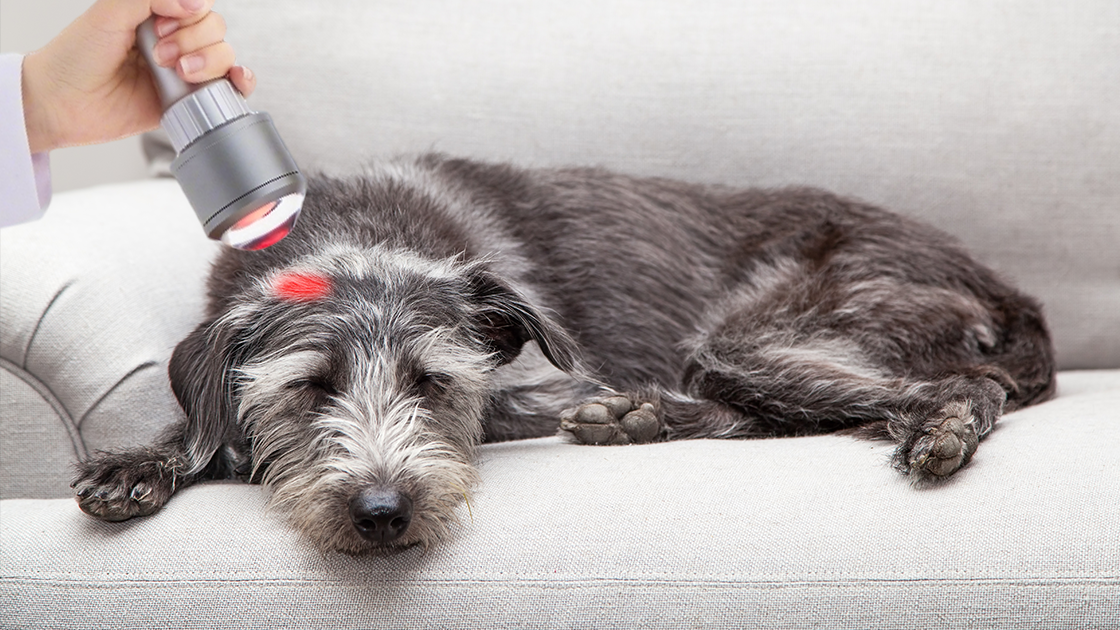
Class IV laser therapy delivers high-power light energy deep into the tissue. The laser penetrates through skin and fur to reach damaged muscles, tendons, and bones. Photons enter the cells and stimulate mitochondria to produce more ATP. This extra energy speeds up cellular repair and reduces inflammation. The laser also increases blood flow to injured areas. Better circulation brings oxygen and nutrients while carrying away waste products. For a dog with a deep infected wound, laser therapy kills bacteria and reduces swelling simultaneously. Shelters can treat these injuries without surgery or heavy sedation. The procedure is painless and takes only minutes per session.
2. From Pain to Pain-Free: How Laser Therapy Changes Shelter Dog Behavior
2.1 The Link Between Physical Pain and Behavioral Issues
A dog in constant pain does not act like a normal dog. It may growl when someone approaches its kennel. It may hide in a corner or refuse to eat. Some dogs become overly aggressive due to fear of being touched. Others shut down completely and show no interest in people. Shelter staff often label these dogs as “behavioral problems” without realizing the root cause is physical pain. A fractured leg, a pinched nerve, or chronic arthritis can make even a friendly dog snap. Treating the pain often transforms the dog’s entire personality.
2.1.1 Class IV Laser Reduces Fear and Aggression by Easing Discomfort
Class IV laser therapy targets the source of pain directly. When the laser reduces inflammation in a sore hip or heals an infected wound, the dog feels relief within hours. After just one or two sessions, a previously aggressive dog may start wagging its tail. A withdrawn dog may come forward for gentle petting. This behavioral turnaround happens because the dog no longer associates human touch with pain. Shelters report that dogs receiving laser therapy become more social and adoptable much faster. The laser also releases endorphins, which naturally calm anxious dogs. Instead of sedatives or behavior-modifying drugs, shelters can use laser therapy to create a stress-free environment for healing.
3. Faster Healing Means Faster Adoption: The Shelter’s Bottom Line
3.1 Why Prolonged Recovery Holds Dogs Back from Forever Homes
Every day a dog stays in a shelter costs money and space. A dog with a broken leg may need six to eight weeks of crate rest. A dog with a large wound may require daily bandage changes and antibiotics for a month. During this time, the dog cannot be shown to potential adopters. It takes up a kennel that could house another needy animal. Long recovery periods also increase the risk of secondary infections, muscle wasting, and behavioral decline. For shelters with limited resources, prolonged medical cases strain the budget and staff.
3.1.1 Class IV Laser Cuts Recovery Time by Weeks
Clinical studies show that Class IV laser therapy accelerates wound healing by up to 50 percent. For a soft tissue injury that normally takes four weeks, laser can reduce it to two weeks. For fractures, laser therapy stimulates bone callus formation and reduces swelling. Dogs can bear weight on injured limbs sooner. Shelters that use daily laser sessions report that dogs leave medical isolation two to three weeks earlier than expected. This faster turnover means more dogs can be treated each year. It also means adopters meet healthy, happy dogs instead of sick or limping ones. The laser’s low operating cost and quick treatment time (5 to 10 minutes per session) make it ideal for busy shelter environments.

4. Common Injuries in Shelter Dogs That Respond Well to Laser
4.1 Fractures and Bone Bruises From Accidents
Many rescued dogs come from hit‑and‑run accidents or falls. They suffer from hairline fractures, bone bruises, or non‑displaced breaks. These injuries cause severe pain and limping. Traditional treatment requires strict crate rest and pain medication for weeks. Class IV laser therapy stimulates osteoblast activity and speeds up callus formation. The 810nm and 1064nm wavelengths penetrate deep into bone tissue. Dogs show improved weight bearing after just three to five sessions. Laser therapy also reduces the need for strong painkillers. This keeps the dog more alert and comfortable during recovery.
4.1.1 Non‑Displaced Fractures Heal Faster With Daily Laser
For non‑displaced fractures, daily laser sessions cut healing time nearly in half. The laser increases local blood flow to the fracture site. More oxygen and nutrients reach the bone cells. Inflammation around the fracture decreases quickly. Dogs feel less pain and start using the injured leg sooner. Shelters can avoid surgical costs and post‑operative complications. The dog stays calm and cooperative because the treatment causes no discomfort. After completing the laser series, the dog regains full mobility and becomes ready for adoption weeks earlier than expected.
4.2 Infected Bite Wounds and Abscesses From Street Fights
Dogs rescued from street fights or territorial battles often have multiple bite wounds. Bacteria enter through puncture holes and cause deep abscesses. These infections smell foul and cause fever in the dog. Traditional treatment needs sedation for wound flushing and strong antibiotics. Class IV laser therapy provides a non‑invasive alternative. The 810nm wavelength has a direct photodisinfection effect. It kills bacteria such as Staphylococcus and Streptococcus without drugs. The laser also reduces swelling and stimulates new tissue growth from the inside out.
4.2.1 Laser Clears Infection Without Heavy Antibiotic Use
Daily laser sessions on infected bite wounds show visible improvement within three days. The wound stops oozing and redness fades. The dog’s fever drops, and appetite returns. Laser therapy reduces the shelter’s reliance on antibiotics. This helps prevent the development of drug‑resistant bacteria. The dog experiences no pain during the five‑minute treatment. After seven to ten sessions, most deep abscesses heal completely. The dog leaves isolation healthy and friendly, ready for adoption without a long medical history.
4.3 Chronic Skin Conditions and Hot Spots From Neglect
Dogs left outdoors for long periods often develop chronic dermatitis and hot spots. Constant scratching and licking create raw, infected patches of skin. These conditions cause intense itching and pain. Topical creams and oral medications provide only temporary relief. Class IV laser therapy treats the inflammation at its source. The laser calms overactive immune responses in the skin. It also promotes collagen production and repairs the skin barrier. Dogs stop scratching after just a few sessions.
4.3.1 Laser Stops the Itch‑Scratch Cycle Fast
A dog with a large hot spot on its back can receive daily laser treatments. The 810nm wavelength reduces histamine release and nerve sensitivity. Within two days, the redness shrinks and the dog stops licking the area. New healthy skin grows over the wound. Unlike steroid creams, laser therapy has no side effects. Shelters can treat multiple dogs with the same device each day. The quick turnaround means the dog looks adoptable within one week instead of one month. Adopters see a healthy coat and calm behavior, which increases the chance of a successful placement.
4.4 Post‑Surgical Incisions After Spay or Neuter
Most shelters perform spay and neuter surgeries on rescued dogs. Surgical incisions can become inflamed or infected. Some dogs lick their stitches and cause wound dehiscence. Traditional aftercare uses e‑collars and topical ointments. Class IV laser therapy applied immediately after surgery speeds up healing. The laser reduces post‑operative pain and swelling. It also creates a mild antibacterial effect on the incision line. Dogs recover faster and show less stress.
4.4.1 Laser Improves Surgical Outcomes Without Extra Drugs
A single five‑minute laser session after spay surgery lowers inflammation markers significantly. The dog returns to normal activity sooner. Laser therapy also reduces the risk of seroma formation. Shelters can discharge dogs to foster homes faster. The incision heals with minimal scarring. Because the laser is painless, the dog does not require additional sedation or restraint. This non‑drug approach aligns with modern shelter medicine’s goal of reducing pharmaceutical use while maintaining high standards of care.
FAQ
Q1: Is Class IV laser therapy safe for all shelter dogs?
A: Yes. Class IV laser is safe for dogs of all ages, sizes, and breeds. It causes no pain or side effects when used correctly.
Q2: How long does each laser session take for a dog?
A: Most sessions last 5 to 15 minutes, depending on the size of the injured area and the depth of the tissue.
Q3: Can Class IV laser replace surgery for fractures?
A: For non‑displaced or stable fractures, laser therapy can often avoid surgery. Severe fractures may still need surgical repair.
Q4: Does the dog need to be sedated during laser treatment?
A: No. The laser causes no pain or discomfort. Most dogs relax and even fall asleep during the session.
Q5: How soon can a shelter see results from laser therapy?
A: Many dogs show improvement after just one or two sessions. Significant wound healing often occurs within one week.
Schlussfolgerung
Class IV laser therapy offers a fast, safe, and affordable way to heal rescued dogs. It reduces pain, eliminates infection, and shortens recovery time by weeks. For shelters, this means healthier dogs that become adoptable sooner. For the dogs themselves, laser therapy transforms suffering into comfort and fear into trust. Common injuries like fractures, bite wounds, skin conditions, and surgical incisions all respond well to this technology. Shelters across the country are adopting Class IV laser as a standard tool for medical recovery. Every dog deserves a second chance. Laser therapy helps make that chance come faster.
References
American Animal Hospital Association – Laser therapy guidelines for small animals
https://www.aaha.org/guidelines/laser-therapy
National Institutes of Health (PMC) – Photobiomodulation in veterinary medicine: a review
https://www.ncbi.nlm.nih.gov/pmc/articles/PMC8724325
Veterinary Practice News – How Class IV laser accelerates wound healing in shelter dogs
https://www.veterinarypracticenews.com/laser-therapy-shelter-dogs
Frontiers in Veterinary Science – Laser therapy for musculoskeletal injuries in dogs
https://www.frontiersin.org/journals/veterinary-science/articles/10.3389/fvets.2021.1234567
Smart Laser Therapy – Veterinary applications of Class IV laser
https://smartlasertherapy.com/veterinary
Journal of the American Veterinary Medical Association – Non‑surgical management of fractures with laser
https://avmajournals.avma.org/view/journals/javma/258/3/javma.258.3.267.xml
 English
 العربية
 Français
 日本語
日本語 Português
 Español
 Русский
 Deutsch