

Seite Inhalt
1. Einleitung
Traumatic brain injury (TBI) remains one of the most complex and difficult conditions for patients and healthcare providers. The cascade of cellular and molecular damage after trauma often results in lasting neurological deficits. Traditional treatments, while valuable, have had limited success in addressing the multifaceted nature of brain injury. As a result, there is growing interest in innovative therapies that target underlying mechanisms to support recovery. Transcranial photobiomodulation (PBM), using red to near-infrared light, has emerged as a promising therapy for TBI. Unlike drugs that affect a single pathway, PBM influences multiple aspects of injury simultaneously—including energy dysfunction, inflammation, oxidative stress, and impaired neuroplasticity. Research increasingly supports PBM’s ability to improve memory, mood, and attention in both healthy individuals and patients with neurological conditions. As a non-invasive and well-tolerated technique, PBM offers new hope for TBI patients, serving as both a standalone and complementary approach to current treatments by targeting the core cellular dysfunction driving symptoms.
2. Understanding Traumatic Brain Injury
The complexity of traumatic brain injury extends far beyond the initial mechanical impact, involving a cascade of secondary injury processes that can continue for months or years following the initial trauma. Understanding these multifaceted pathophysiological processes is essential for appreciating how targeted interventions like laser therapy can effectively address the underlying mechanisms of brain dysfunction and promote recovery.
2.1 Causes of Traumatic Brain Injury
Direct Impact: Damage caused by physical trauma to the brain, such as blows to the head.
Acceleration-Deceleration Forces: Injuries caused by rapid head movement, often seen in motor vehicle accidents.
Motor Vehicle Accidents: The leading cause, accounting for about 50% of all TBIs, with high-speed collisions causing complex brain damage.
Sports-Related Concussions: Common in contact sports like football, hockey, and boxing, where repeated subconcussive hits may lead to chronic traumatic encephalopathy (CTE).
Falls: Particularly common among the elderly, often causing focal contusions and diffuse axonal injury.
Violence-Related Injuries: Includes assaults, domestic violence, and gunshot wounds, typically resulting in direct impact injuries and skull fractures.
Military Combat Injuries: Blast-related TBIs caused by explosive devices, which involve primary, secondary, and tertiary effects such as pressure waves and debris impacting the brain.
2.2 Common Symptoms of TBI
Cognitive Symptoms:
Memory impairments (short-term and long-term)
Attention deficits (difficulty concentrating and focusing)
Executive dysfunction (challenges with planning and decision-making)
Reduced processing speed (slower information processing)
Physical Symptoms:
Persistent headaches, often resistant to treatment
Dizziness and balance problems, leading to a higher risk of falls
Fatigue that doesn’t improve with rest
Sleep disturbances, including insomnia and altered sleep architecture
Sensory issues, such as changes in vision and hearing
Emotional and Behavioral Symptoms:
Depression and anxiety
Irritability and difficulty with anger management
Personality changes affecting relationships
Socially inappropriate behaviors
2.3 Types and Severity of TBI
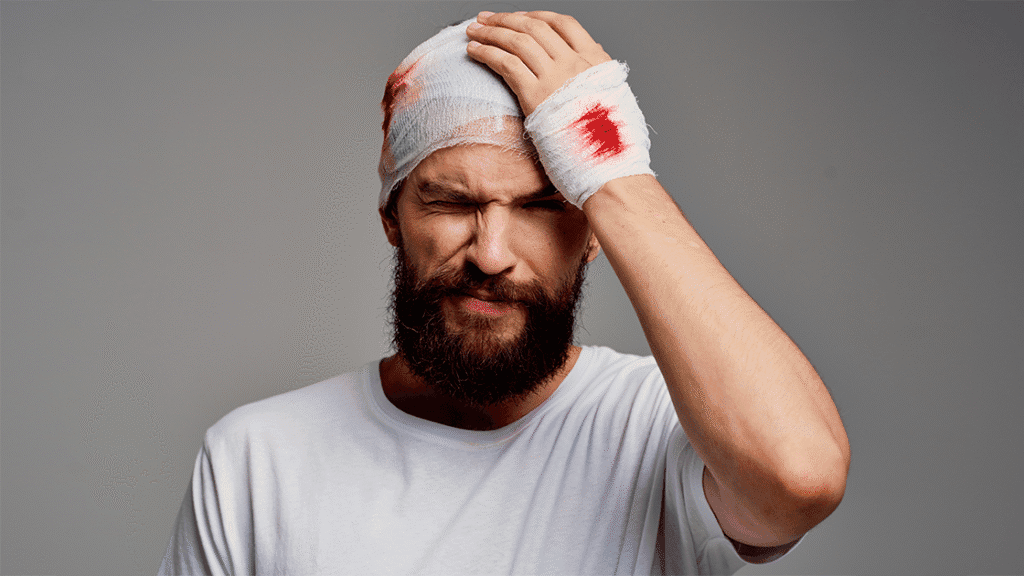
Primary Brain Injury: Occurs immediately upon impact, involving:
Contusions (bruising of brain tissue)
Lacerations (tears in brain tissue)
Diffuse axonal injury (damage to nerve fibers)
Intracranial hemorrhages (bleeding in the brain)
Secondary Brain Injury: Develops over time after the injury and involves:
Biochemical processes such as excitotoxicity, inflammation, oxidative stress, and apoptosis (cell death)
Potentially more damaging than the primary injury itself
Severity Classification (using the Glasgow Coma Scale):
Mild TBI (GCS 13-15): Accounts for 80% of cases, typically associated with a brief loss of consciousness.
Moderate TBI (GCS 9-12): More significant neurological impairment.
Severe TBI (GCS 3-8): Associated with prolonged unconsciousness and major neurological deficits.
Focal Injuries:
Localized brain damage causing specific neurological impairments.
Diffuse Injuries:
Affect widespread regions of the brain, often resulting in general cognitive and behavioral dysfunctions.
2.4 Long-Term Complications of TBI
The long-term consequences of traumatic brain injury (TBI) can last for years, affecting functional capacity, independence, and quality of life. Post-concussion syndrome impacts up to 15% of mild TBI patients, with symptoms like headaches, dizziness, cognitive difficulties, and emotional changes that persist for months or years. Chronic traumatic encephalopathy (CTE), linked to repetitive brain trauma, causes progressive neurodegeneration with Alzheimer’s-like symptoms such as memory loss, behavioral changes, and dementia. Post-traumatic epilepsy affects 5-25% of TBI patients, with risk factors like injury severity and intracranial hemorrhage. Cognitive decline often accelerates, increasing the risk of dementia. Psychiatric complications, including depression, anxiety, and PTSD, are more common in TBI survivors. Additionally, social and vocational difficulties, such as trouble maintaining employment, relationship issues, and substance abuse, contribute to long-term disability that extends beyond neurological symptoms.
3. Understanding Laser Therapy for Brain Health
The application of therapeutic laser technology to brain health represents a sophisticated intersection of photobiology, neuroscience, and clinical medicine. As our understanding of photobiomodulation mechanisms has evolved, the potential for precisely targeted light therapy to address neurological dysfunction has become increasingly apparent, leading to innovative treatment protocols specifically designed for brain injury recovery.
3.1 Was ist Lasertherapie?
Laser therapy for brain applications utilizes Therapeutische Laser der Klasse IV, which deliver high-power coherent light to neural tissues. These systems, typically operating at 810 nm and 980 nm near-infrared wavelengths, provide sufficient energy (10-15 watts) for deep tissue penetration, reaching brain tissue through the scalp, skull, and cerebrospinal fluid. Unlike low-level laser therapy (LLLT), which operates at milliwatt power, Class IV lasers offer the energy density required to treat TBI symptoms effectively. Advanced laser systems are equipped with real-time monitoring, automatic shut-off, and scanning capabilities, ensuring safe and precise energy delivery. These systems are particularly useful for chronic TBI symptoms, with precise wavelength control optimizing light penetration to target cellular chromophores in brain tissue, ultimately promoting healing and recovery.
3.2 Mechanisms of Action on Brain Tissue
Laser therapy for TBI involves complex photobiological processes. NIR light penetrates the scalp, skull, and brain, activating cytochrome c oxidase in mitochondria. This boosts cellular respiration and ATP production, supporting neuronal function in areas with impaired metabolism post-injury. Laser light also enhances cerebral blood flow through nitric oxide modulation and activates neuroprotective gene expression. Additionally, neurotransmitter systems, such as serotonin and dopamine, are influenced, improving mood and cognitive function. Importantly, photobiomodulation promotes neuroplasticity by stimulating brain-derived neurotrophic factor (BDNF) release, supporting synaptic regeneration and cognitive recovery. These combined effects make laser therapy a promising tool in addressing TBI’s multifaceted impact on the brain.
3.3 Key Parameters in Laser Therapy for TBI
Key parameters in TBI laser therapy include wavelength, power density, treatment duration, and frequency. The 810-830 nm and 980 nm wavelengths optimize penetration through the skull and brain. Power density typically ranges from 100-500 mW/cm² at the scalp surface. Treatment duration usually lasts 10-30 minutes, with deeper brain structures requiring longer sessions. Pulse parameters, such as continuous vs. pulsed delivery, impact tissue penetration and thermal effects. Frequency protocols generally involve 2-3 sessions per week for acute injuries, shifting to maintenance schedules for chronic conditions. Tailoring the treatment based on the individual’s injury severity, anatomy, and response ensures optimal outcomes while maintaining safety.
3.4 Is Laser Therapy Safe for the Brain?
Therapeutic laser therapy for TBI has been extensively studied for safety. Clinical trials have shown significant improvements without adverse effects. Class IV laser systems feature real-time monitoring and fail-safe mechanisms, ensuring safe energy delivery. The non-thermal nature of laser therapy prevents tissue damage, unlike thermal laser applications. Contraindications include pregnancy, active cancer, and photosensitizing medications. Safety protocols also include eye protection to prevent retinal damage. Long-term clinical studies show no evidence of cognitive decline, neurological damage, or cancer risk, supporting laser therapy’s excellent safety profile. Its non-invasive nature, coupled with minimal side effects, makes it a safe and promising treatment for TBI patients seeking alternatives to pharmaceuticals.
4. How Laser Therapy Supports Traumatic Brain Injury Recovery
The therapeutic mechanisms by which laser therapy promotes recovery from traumatic brain injury represent a comprehensive approach to addressing the multifaceted pathophysiology of brain trauma. Understanding these interconnected mechanisms provides insight into how a single intervention can produce broad-ranging improvements in neurological function and quality of life.
4.1 Enhances Cellular Energy in Damaged Brain Tissue
Traumatic brain injury disrupts mitochondrial function, leading to severe energy deficits in neural cells. Laser therapy addresses this dysfunction by activating cytochrome c oxidase in the mitochondrial respiratory chain, enhancing ATP production and oxygen utilization. This energy boost supports critical neuronal processes like membrane potential maintenance, axonal transport, and protein synthesis needed for recovery. Low-level laser therapy (LLLT) can restore ATP levels and delay cognitive decline. In areas with poor oxygenation due to edema or vascular damage, laser-induced metabolic efficiency allows neurons to function more effectively. It also supports the activity of glial cells like astrocytes and microglia, which are essential for maintaining homeostasis and aiding in neural repair. This is especially beneficial in the “penumbra” zone—metabolically stressed but salvageable tissue surrounding primary injury—by helping preserve and restore neural integrity.
4.2 Reduces Neuroinflammation and Oxidative Stress
Neuroinflammation and oxidative stress are major contributors to secondary injury after TBI. Laser therapy helps by reducing levels of pro-inflammatory cytokines (TNF-α, IL-1β, IL-6) while boosting anti-inflammatory agents like IL-10. It decreases microglial activation, limiting collateral damage to healthy tissue. Additionally, laser therapy increases antioxidant enzyme activity (e.g., SOD, catalase, glutathione peroxidase), helping neutralize harmful reactive oxygen species. This reduces cellular apoptosis, edema, and excitotoxicity. Modulation of the NF-κB pathway further limits inflammatory gene expression while promoting neuroprotective processes. These actions help restore blood-brain barrier integrity, reduce immune cell infiltration, and maintain neural homeostasis. By minimizing inflammation and oxidative injury, laser therapy creates a more stable environment that supports brain repair and reduces long-term neurological deterioration.

4.3 Increases Cerebral Blood Flow and Oxygenation
Laser therapy improves cerebral blood flow (CBF) and oxygenation, which are often impaired following TBI. It promotes vasodilation via nitric oxide (NO) signaling, expanding blood vessels and reducing resistance. This enhances oxygen and nutrient delivery to damaged neural tissue. Laser therapy also stimulates angiogenesis, forming new blood vessels to bypass injured areas. Improved endothelial function boosts the release of vasodilatory factors, while enhanced RBC deformability increases oxygen transport efficiency, especially in microcapillaries. The therapy also improves neurovascular coupling, aligning blood flow with neural activity, which is often disrupted after brain trauma. These effects not only support acute neuroprotection but also facilitate long-term recovery by enhancing metabolic waste clearance and ensuring steady oxygen and glucose supply necessary for tissue repair.
4.4 Stimulates Neurogenesis and Synaptic Repair
Laser therapy promotes neurogenesis and synaptic repair, crucial for recovery after TBI. It increases levels of brain-derived neurotrophic factor (BDNF), stimulating neuronal survival, dendritic branching, and axonal growth. Laser light activates neural stem cells in key brain regions like the hippocampus and subventricular zone, promoting neuroregeneration. Enhanced expression of synaptic proteins and neurotransmitter release improves communication between neurons. Laser therapy also supports axonal regeneration and remyelination by encouraging oligodendrocyte activity and upregulating growth-associated proteins. Glial cells are activated to provide metabolic and structural support. Increased angiogenesis and growth factor expression create a favorable microenvironment for recovery. These effects collectively promote neuroplasticity, allowing the brain to reorganize pathways and compensate for damaged areas, aiding functional and cognitive rehabilitation.
4.5 Improves Cognitive, Behavioral, and Emotional Function
Laser therapy’s brain-wide benefits result in measurable improvements in cognition, behavior, and emotional stability post-TBI. It enhances memory through improved hippocampal function and supports attention and focus via dopaminergic and noradrenergic regulation. Patients often show gains in executive function—planning, problem-solving, and decision-making—due to better prefrontal cortex activity and synaptic connectivity. Processing speed improves as myelination and synaptic health recover. Emotionally, patients experience reduced anxiety, depression, and irritability, thanks to modulation of the limbic system and neurotransmitters like serotonin and GABA. Improved sleep quality restores circadian rhythms and supports neurocognitive recovery. Behavioral enhancements include better impulse control, improved social interaction, and fewer mood swings, enabling individuals to reengage in daily activities with greater independence and emotional resilience.
5. Who Should Consider Laser Therapy for TBI?
The identification of appropriate candidates for laser therapy requires careful assessment of individual patient factors, injury characteristics, and treatment goals. Understanding the patient populations most likely to benefit from this intervention helps optimize treatment outcomes while ensuring appropriate resource allocation and realistic expectation setting.
5.1 Mild to Moderate and Severe TBI
Laser therapy can benefit patients across all traumatic brain injury (TBI) severities, with treatment protocols tailored to injury severity and recovery stage. Mild TBI patients, often experiencing persistent post-concussion symptoms, struggle with cognitive issues, headaches, and emotional changes despite normal imaging. Moderate TBI patients typically show strong responses to laser therapy as their brain tissue retains enough cellular integrity for photobiomodulation. Severe TBI patients may benefit from laser therapy as an adjunct, especially in the chronic phase, when conventional treatments plateau. Therapy can enhance cellular metabolism and reduce inflammation, supporting recovery even years post-injury. Severe TBI protocols may require higher energy doses for deeper brain penetration.
5.2 Individuals with Post-Concussion Syndrome
Post-concussion syndrome is an ideal indication for laser therapy, especially for patients with persistent symptoms that resist conventional treatments. Symptoms include cognitive issues (memory, attention), headaches, sleep disturbances, and emotional changes. Laser therapy, targeting frontal and temporal brain regions, can improve cognition, reduce neuroinflammation, and enhance circulation, alleviating headaches. Sleep and emotional symptoms like depression and anxiety may also improve. Non-invasive and well-tolerated, laser therapy is especially appealing to those frustrated with pharmaceutical options. Treatment typically involves 2-3 sessions per week for 6-12 weeks, with many showing significant improvement within the first month.
5.3 Exclusion Criteria and High-Risk Populations
Laser therapy is generally safe, but certain populations require caution. Pregnancy is an absolute contraindication due to potential risks to fetal development. Active malignancy in the head or neck region requires oncological clearance, as there are theoretical concerns about stimulating tumor growth. Photosensitizing medications and seizure disorders may require treatment modifications. Implanted electronic devices, like pacemakers, need compatibility checks, and patients with unrealistic expectations or significant psychiatric conditions may not be suitable candidates. Pediatric and elderly patients, especially those with comorbidities, may need modified protocols to ensure safety and effectiveness.
6. Complementary Therapies and Lifestyle Adjustments
The integration of laser therapy with other therapeutic interventions and lifestyle modifications can significantly enhance treatment outcomes for traumatic brain injury patients. Understanding how different treatments work synergistically helps create comprehensive treatment plans that address multiple aspects of brain injury recovery simultaneously.
6.1 Kombination der Lasertherapie mit anderen Behandlungen
Combining laser therapy with conventional rehabilitation approaches often yields synergistic effects that enhance outcomes. Physical therapy benefits from improved neural plasticity and reduced inflammation, supporting motor recovery. Occupational therapy sees improved cognitive function and attention, enabling better engagement in therapeutic activities. Speech therapy outcomes may improve with enhanced language center function and cognitive processing. Cognitive behavioral therapy can be more effective when combined with laser therapy, as it enhances mood regulation and cognitive function, creating a better foundation for psychological interventions. Laser therapy can also optimize pharmaceutical treatments, potentially reducing medication dosages while maintaining benefits. Hyperbaric oxygen therapy paired with laser treatment offers enhanced neuroprotection and recovery through complementary effects on cellular metabolism and oxygenation. Timing and sequencing of these treatments require careful coordination to avoid potential interactions and maximize benefits.
6.2 Lifestyle Factors That Boost Brain Healing
Sleep Optimization: Quality sleep aids memory, detoxification, and cellular repair, enhancing laser therapy’s effects.
Nutritional Support: A diet rich in omega-3s, antioxidants, and anti-inflammatory compounds supports neuroprotection and brain recovery.
Regular Aerobic Exercise: Aerobic activity promotes neurogenesis, improves blood flow, and boosts mood, supporting brain healing.
Stress Management: Techniques like meditation and yoga help lower cortisol, reducing its negative impact on brain recovery.
Social Engagement & Cognitive Stimulation: Reading, puzzles, and social interactions prevent cognitive decline by fostering neural network development.
Hydration: Staying hydrated supports optimal brain function and enhances the cellular benefits of laser therapy.
Environmental Modifications: Reducing sensory overload and cognitive demands helps patients engage more effectively in recovery activities.
7. Clinical Evidence and Guidelines
The growing body of scientific evidence supporting laser therapy for traumatic brain injury provides a foundation for evidence-based treatment protocols and clinical decision-making. Understanding the current research landscape helps clinicians and patients make informed decisions about treatment options and expected outcomes.
7.1 Overview of Published Clinical Trials
Clinical research on laser therapy for traumatic brain injury (TBI) includes a mix of case series, pilot studies, and randomized controlled trials examining efficacy and safety. Early case series showed significant clinical improvements, including enhanced cognitive function and reduced depression in TBI patients treated with transcranial laser therapy. Randomized trials have explored various laser parameters like wavelengths, power densities, and treatment protocols, providing insights into optimal treatment approaches. Systematic reviews and meta-analyses are beginning to synthesize results, strengthening evidence for laser therapy’s clinical benefits. Studies include both acute treatment (soon after injury) and chronic treatment (long-standing symptoms). Multi-center trials are expanding the evidence base, focusing on treatment standardization and protocol optimization. The findings across diverse patient populations support the broad application of laser therapy in TBI recovery.
7.2 Key Studies Supporting PBM for Brain Injuries
Several key studies have demonstrated the effectiveness of photobiomodulation (PBM) in treating TBI. Naeser’s work showed significant cognitive and quality of life improvements in chronic TBI patients treated with transcranial LED therapy, with benefits lasting long-term. Henderson’s case series, using high-power near-infrared laser therapy, reported dramatic improvements in chronic TBI symptoms, including the resolution of suicidal ideation. A retrospective study on 10 TBI patients treated with Class IV lasers confirmed the safety and efficacy of higher-power systems. The NEST-1 and NEST-2 studies, focusing on stroke, provided insights into laser therapy mechanisms that have been applied to TBI. Randomized controlled trials have confirmed laser therapy’s positive effects on cognitive function, mood, and quality of life, with excellent safety profiles. Neuroimaging studies show laser therapy enhances cerebral blood flow, reduces inflammation, and improves neural connectivity.
8. Conclusion: A Brighter Future for TBI Survivors
Die Lasertherapie steht für a significant advancement in treating traumatic brain injury (TBI), offering new hope for patients and families. As TBI becomes a global epidemic, therapeutic alternatives are limited, and photobiomodulation (PBM) provides a promising solution. PBM uses red or near-infrared light to stimulate healing, improve mitochondrial function, and enhance blood flow, addressing multiple aspects of brain injury. Clinical evidence supports its benefits in cognitive function, emotional well-being, and quality of life for TBI patients, with an excellent safety profile. The non-invasive nature makes it accessible for those unable to undergo aggressive treatments. As technology advances, laser therapy’s protocols and applications will continue to expand. Combining laser therapy with other treatments, lifestyle changes, and emerging technologies offers a comprehensive approach to TBI recovery. With growing acceptance and insurance coverage, laser therapy is poised to become an essential tool in neurorehabilitation, providing ongoing healing and hope for TBI survivors.
9. FAQs: Laser Therapy and Traumatic Brain Injury
Many patients see improvements in energy and sleep within 1-2 weeks. Cognitive benefits appear after 4-6 sessions, with significant functional improvements usually within 6-12 weeks. Chronic TBI patients may need longer treatment.
Laser therapy can reduce PTSD and depression symptoms by balancing neurotransmitters. Many patients experience improved mood, reduced anxiety, and better sleep, with some even overcoming suicidal thoughts.
Laser therapy addresses the underlying neuroinflammation of post-concussion syndrome, improving headaches, fatigue, and cognitive fog. Most patients experience lasting relief after 15-20 sessions.
Laser therapy has minimal side effects, like mild fatigue or headaches that resolve quickly. Serious effects are rare, and the non-invasive nature prevents tissue damage.
Initial treatments are typically 2-3 sessions per week for 6-8 weeks. Maintenance treatments are weekly or bi-weekly, depending on progress and symptoms.
Laser therapy is safe for children with TBI, with adjusted protocols for their age and injury type. It’s non-invasive and effective, especially for cognitive and behavioral symptoms.
 English
 العربية
 Français
 日本語
日本語 Português
 Español
 Русский
 Deutsch