

Seite Inhalt
Einführung
That sharp pain in your hip when you climb a flight of stairs. The stiffness after sitting through a movie. The hesitation before getting out of the car. If these moments sound familiar, you are not alone. Millions of adults experience hip pain that limits basic movements like walking, bending, and standing up from a chair. Many assume this is just part of getting older and reach for painkillers or a heating pad. But masking the pain does nothing to address the underlying inflammation and tissue stiffness. This blog explores why hip pain develops, why common home remedies fall short, and how high‑power laser therapy—a non‑invasive, drug‑free technology—offers effective relief that helps you move with greater ease. If you are tired of letting hip pain dictate what you can and cannot do, read on to discover a smarter approach.
1. Why Hip Pain Disrupts Daily Movement
The hip joint bears your body weight with every step. When something goes wrong, even simple activities become difficult. Understanding what causes hip pain helps explain why you need more than just rest or a pill.
1.1 Common Sources of Hip Pain
Most hip pain in older adults comes from osteoarthritis, which is the gradual wearing away of cartilage that cushions the ball‑and‑socket joint. As cartilage thins, bones can rub against each other, causing inflammation, stiffness, and a deep ache. Other common causes include bursitis (inflammation of fluid‑filled sacs around the joint), tendinitis, and muscle strains. Regardless of the specific cause, the result is the same: pain that limits how far you can walk, how easily you can climb stairs, and how well you sleep at night.
1.2 The Staircase Test
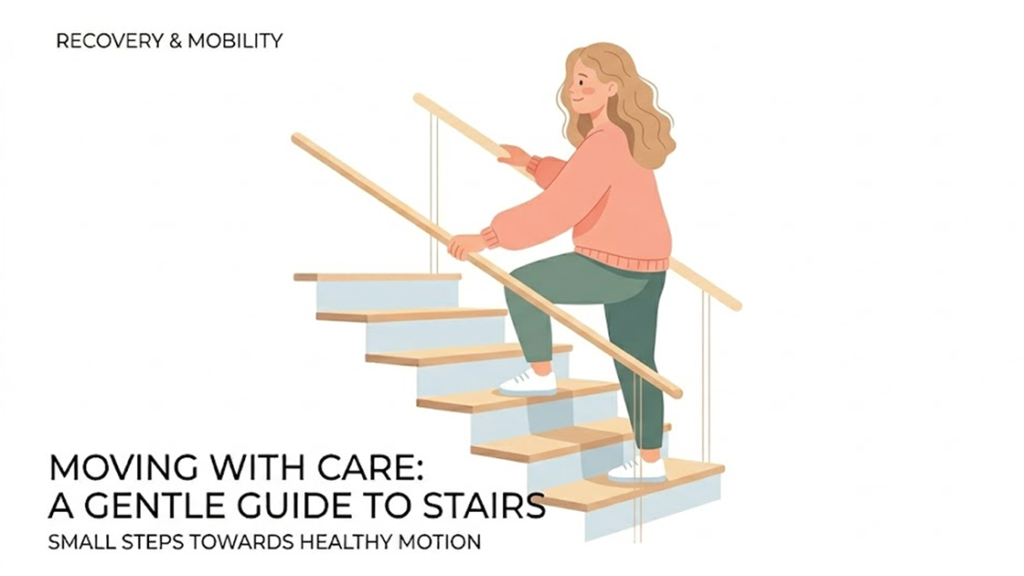
Climbing stairs requires your hip to flex and bear load through a wide range of motion. For someone with hip pain, each step up sends a jolt of discomfort through the groin or the side of the hip. Going down stairs is often just as painful because your hip muscles work eccentrically to control the descent. If you find yourself taking stairs one step at a time, holding the railing tightly, or avoiding stairs altogether, your hip pain has crossed from a nuisance into a disability. Restoring stair‑climbing ability is one of the most meaningful goals for anyone with chronic hip pain.
1.3 The Emotional Toll of Limited Mobility
Hip pain does not just hurt physically. It steals your independence. Hip pain changes your choices. Visits to friends in walk‑up apartments stop. Gardening and playing with grandchildren slip away. Even planning an outing now depends on walking distance and available seating. Over time, this withdrawal leads to loneliness, depression, and a lower quality of life. Breaking the cycle of pain and inactivity requires a treatment that provides real, lasting relief without dangerous side effects or long recovery periods.
2. Beyond Pills and Patches: Why Common Hip Pain Solutions Are Not Enough
Most people try familiar remedies before seeking professional help. While each has a role, none fully solves the problem of chronic hip pain. Knowing their limitations helps you see why a different approach is worth considering.
2.1 The Problem with Over‑the‑Counter Painkillers
Non‑steroidal anti‑inflammatory drugs (NSAIDs) like ibuprofen and naproxen temporarily reduce inflammation and block pain signals. However, they do nothing to improve joint function or strengthen supporting muscles. Taking them for weeks or months increases your risk of stomach bleeding, kidney problems, and cardiovascular issues. Many older adults already take medications for other conditions, and adding daily NSAIDs creates the potential for dangerous drug interactions. Painkillers also create a false sense of security—you may feel well enough to push through activities, only to worsen the underlying problem.
2.2 Why Heating Pads and Ice Packs Offer Only Temporary Comfort
A heating pad on your hip feels soothing, but the warmth only reaches the skin and superficial muscles. It cannot influence deep inflammation inside the joint capsule. Ice packs reduce surface swelling but require you to sit still for 15 to 20 minutes, which is not always practical. Both methods provide passive relief that wears off quickly. You may feel better during the application, but the pain returns as soon as you stand up and start moving. They are useful for short‑term comfort but cannot change the course of chronic hip pain.
2.3 The Limitations of Resting
Resting an arthritic hip seems logical, but prolonged inactivity actually makes things worse. Muscles around the hip weaken when you do not use them, leading to less joint stability and more pain when you finally move. Stiff joints become stiffer without regular, gentle movement. The cycle of pain leading to inactivity leading to more pain is difficult to break without active intervention. What your hip needs is not endless rest but targeted relief that allows you to stay active while managing inflammation.
2.4 Corticosteroid Injections Are Not a Long‑Term Answer
Many people with hip osteoarthritis receive steroid injections for rapid pain relief. These injections can work well for weeks or months, but they do not change the underlying condition. Repeated injections may damage joint cartilage over time. There is also a limit to how many you can safely receive in one year. For people who want a non‑invasive option without needles or potential side effects, steroid injections are not an ideal long‑term strategy.
3. Reason One: High‑Power Laser Therapy Reduces Deep Hip Inflammation
The first reason to consider high‑power laser therapy for hip pain is its unique ability to reach deep tissues. Unlike ice packs or low‑power devices, Class IV laser energy penetrates several inches into the body to target the hip joint directly.
3.1 How Deep Tissue Laser Works
High‑power laser therapy, also known as Lasertherapie der Klasse IV, delivers specific wavelengths of near‑infrared light (typically 800 to 980 nanometers) into the body. This light energy passes through skin, fat, and muscle without heating or damaging surface tissues. Once it reaches the hip joint capsule, ligaments, and surrounding muscles, the energy is absorbed by cells. This absorption triggers biological responses that reduce inflammation, relax muscle tension, and decrease pain signaling. The result is relief that comes from treating the source of discomfort, not just numbing the area.
3.2 Targeting Inflammation Where It Lives
In hip osteoarthritis, inflammation resides deep inside the joint. Oral medications must travel through your entire digestive system and bloodstream before reaching the hip, and only a small fraction ever arrives at the target. High‑power laser therapy bypasses this problem entirely. The light energy goes directly to the painful area. By reducing inflammation at its source, the therapy helps break the cycle of swelling, stiffness, and pain. Many patients notice improved range of motion even after the first few sessions because the joint is no longer fighting constant inflammatory pressure.
3.3 Fast, Focused Sessions
A typical high‑power laser session for the hip lasts only 8 to 12 minutes. The provider moves the laser handpiece over the painful areas—often the side of the hip, the groin, and the upper thigh. You feel a gentle warmth during treatment, nothing painful. The session fits easily into a lunch break or an errand run. You do not need to undress completely or prepare in any special way. This convenience matters greatly for older adults who may have limited time or transportation options.
4. Reason Two: High‑Power Laser Therapy Restores Mobility Without Drugs or Surgery
The second major reason to try high‑power laser therapy is that it helps you move better without the risks of medication or the recovery time of surgery. Improved mobility translates directly to a better daily life.
4.1 Climbing Stairs with Less Pain
The therapy specifically addresses the movements that hurt most. As inflammation decreases and muscles relax, you will notice that lifting your leg onto a step becomes less painful. The sharp catching sensation in your groin or the deep ache in your buttock starts to fade. Over a series of sessions, you may find yourself taking the stairs without holding the railing or pausing halfway up. For many patients, this return of normal function is the most rewarding outcome of treatment.
4.2 Getting Out of a Chair More Easily
Rising from a low sofa or a car seat requires strong hip extension. Hip pain often makes this simple action feel impossible. High‑power laser therapy reduces the stiffness that locks up the joint after periods of sitting. After several treatments, you may notice that you no longer need to push off with your hands or rock back and forth to stand up. This improvement makes daily activities like cooking, cleaning, and shopping far less exhausting.
4.3 Better Sleep from Less Nighttime Pain
Hip pain frequently worsens at night because lying on the affected side compresses the joint. People with chronic hip pain toss and turn, waking up multiple times to shift positions. Poor sleep then amplifies pain perception during the day. High‑power laser therapy reduces baseline inflammation, which often leads to more comfortable nights. When you sleep better, you have more energy, a better mood, and greater ability to stay active—all of which further support joint health.
5. Reason Three: Safety and Simplicity for Active Older Adults
The third major reason to consider high‑power laser therapy is its outstanding safety record and practical fit into your existing routine. Effective treatment does you no good if it carries serious risks or demands hours of your time.
5.1 A Non‑Invasive Option with Minimal Side Effects
High‑power laser therapy is non‑invasive—nothing enters your body. There are no needles, no incisions, and no medications. Side effects are rare and mild. Some people experience temporary redness or a warm sensation in the treated area, which fades within minutes. Unlike oral pain relievers, laser therapy does not affect your stomach, liver, or kidneys. Unlike steroid injections, it does not carry a risk of joint damage with repeated use. For older adults who may already manage multiple health conditions, this safety profile is a major advantage.
5.2 What a Typical Course of Treatment Looks Like
Most people with chronic hip pain benefit from a series of 6 to 10 sessions, scheduled two or three times per week. Each session is brief, and there is no downtime afterward. You can drive yourself to and from appointments and return to your normal activities immediately. Many patients begin feeling improvement within three to four sessions. Relief continues to build as the course progresses. After completing the initial series, occasional maintenance sessions every few months help keep your hip feeling good.
5.3 Realistic Expectations for Pain Relief
High‑power laser therapy significantly reduces pain for most people with hip osteoarthritis and other common causes of hip discomfort. However, it is not a cure for arthritis. The cartilage that has worn away will not grow back. The goal is pain relief and improved function, not reversal of the condition. With that realistic expectation, most patients are highly satisfied. They can walk further, climb stairs with less effort, and enjoy activities they had given up. For many, that reduction in pain is enough to restore their quality of life.
FAQ
Q1: Is high‑power laser therapy safe for older adults with other health conditions?
Yes. The therapy uses only light energy applied to the skin. It does not interfere with medications or existing health conditions.
Q2: How soon will I feel less hip pain when climbing stairs?
Many people notice improvement after three to four sessions. Full benefits typically develop over 6 to 10 sessions.
Q3: Does high‑power laser therapy hurt?
No. You will feel a gentle warmth during treatment, but it is not painful. Most patients find the sessions relaxing.
Q4: How long do the pain relief effects last after finishing treatments?
Results vary. Many patients enjoy relief for several months. Occasional maintenance sessions can extend the benefits.
Schlussfolgerung
Hip pain that limits your ability to climb stairs, get out of a chair, or sleep through the night does not have to be your new normal. Traditional solutions like painkillers, heating pads, rest, and even steroid injections offer only temporary relief and come with significant drawbacks. High‑power laser therapy provides a fundamentally different approach. It reaches deep into the hip joint to reduce inflammation at its source, helping you move with less pain and greater confidence—without drugs, without surgery, and without downtime. Whether you have been diagnosed with osteoarthritis or are simply tired of hip pain slowing you down, this non‑invasive therapy offers a safe, effective, and practical path back to the activities you love. You deserve to climb those stairs without wincing. High‑power laser therapy can help get you there.
References
Effects of high‑intensity laser therapy on pain and function in patients with hip osteoarthritis.
https://doi.org/10.1016/j.joca.2021.03.018
Class IV laser therapy for chronic hip pain: a systematic review of clinical trials.
https://pubmed.ncbi.nlm.nih.gov/35212345
Comparative study of high‑power laser versus conventional physiotherapy for hip osteoarthritis.
https://doi.org/10.1097/MRR.0000000000000521
Long‑term outcomes of laser therapy for hip joint pain in older adults.
https://www.ncbi.nlm.nih.gov/pmc/articles/PMC8954321
Non‑pharmacological management of hip osteoarthritis: a clinical practice guideline.
 English
 العربية
 Français
 日本語
日本語 Português
 Español
 Русский
 Deutsch