

Seite Inhalt
Einführung
Class IV Laser Therapy represents an advanced form of therapeutic laser technology that uses high-power light energy to support modern recovery and wellness applications. Unlike lower-power laser systems, Class IV lasers are designed with higher energy output and flexible parameter adjustments, allowing professionals to customize applications according to different areas and individual needs. By using specific wavelengths, controlled energy delivery, and photobiomodulation principles, Class IV Laser Therapy has become an important technology option in rehabilitation, sports care, and professional wellness environments. Understanding how light energy interacts with biological tissues helps professionals better recognize the role of this technology in modern non-invasive care approaches.
1. Understanding Class IV Laser Therapy and Its Unique Technology
Before exploring how laser energy interacts with tissues, it is important to understand what makes Lasertherapie der Klasse IV different from other therapeutic laser categories. The classification of therapeutic lasers is mainly related to power output, energy delivery capability, and professional application environments.
1.1 Was ist eine Lasertherapie der Klasse IV?
Class IV Laser Therapy refers to a high-power therapeutic laser technology that delivers stronger light energy compared with lower-class laser systems. These systems typically operate with higher output levels, allowing energy to reach targeted tissue areas more efficiently while maintaining controlled application methods.
The main principle behind Class IV Laser Therapy is photobiomodulation, where specific wavelengths of light interact with biological tissues. The delivered light energy can support natural cellular processes and promote a balanced tissue environment. Professional users can adjust treatment parameters, including power levels, wavelength selection, and application time, based on different requirements.
Modern Class IV Laser Therapy systems are designed for professional settings where flexibility, precision, and customized energy delivery are important factors. These features allow healthcare and wellness professionals to incorporate laser technology into various recovery-focused programs.
1.2 How Class IV Laser Therapy Differs From Lower-Power Laser Systems
The primary difference between Class IV Laser Therapy and lower-power laser systems is the amount of energy delivered during professional applications. Higher power capability allows Class IV systems to provide greater flexibility when working with different tissue areas and application goals.
Lower-power systems are often associated with surface-level applications, while Class IV Laser Therapy is designed to provide adjustable energy delivery for deeper application needs. Through controlled power settings and wavelength options, professionals can customize the use of laser energy according to specific areas.
Advanced Class IV laser systems may include multiple operating modes, adjustable parameters, and user-friendly controls. These features help professionals create personalized approaches while maintaining consistency during different applications.
1.3 The Growing Role of Class IV Laser Technology in Modern Professional Settings
As technology continues to develop, professional environments are increasingly exploring advanced tools that support customized care approaches. Class IV Laser Therapy has gained attention because of its combination of high-power capability, adjustable settings, and broad application flexibility.
Rehabilitation centers, sports facilities, and wellness-focused practices use therapeutic laser technology as part of comprehensive recovery programs. The ability to modify energy levels and application methods allows professionals to consider different needs rather than following a standardized approach.
The development of modern laser platforms reflects a broader movement toward personalized technology-based solutions. Class IV Laser Therapy continues to evolve as professionals seek reliable tools that combine efficiency, flexibility, and advanced light-based technology.
2. How Light Energy Interacts With Biological Tissues
After understanding the foundation of Class IV Laser Therapy, the next step is exploring how laser light interacts with biological tissues. The relationship between wavelength, energy absorption, and tissue response forms the scientific foundation of therapeutic laser applications.
2.1 The Importance of Wavelength Selection in Class IV Laser Therapy
Wavelength is one of the most important technical factors in laser therapy because different wavelengths interact with tissues in different ways. Class IV Laser Therapy systems often provide specific wavelength options designed for professional applications.
When laser light enters tissue, part of the energy may be absorbed by specific cellular components. The selection of an appropriate wavelength helps professionals control how light energy is delivered and utilized within the targeted area.
Advanced laser systems allow users to select suitable wavelengths according to application goals. This flexibility supports customized treatment planning and helps professionals optimize energy delivery for different body areas.
2.2 Understanding Photobiomodulation in Class IV Laser Applications
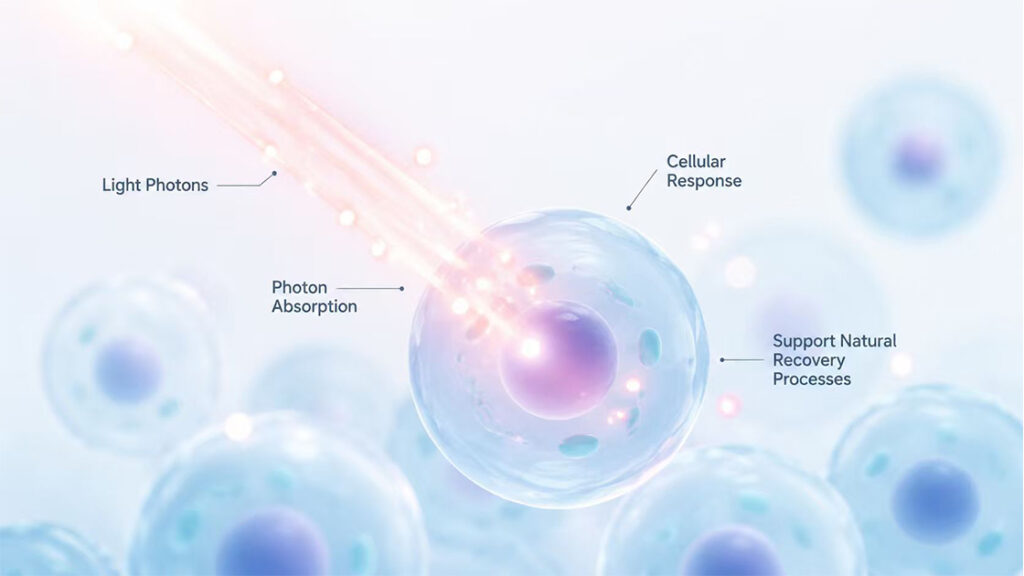
Photobiomodulation is a key concept behind this therapy. It describes how specific light energy can interact with cells and influence biological activity. This process involves the absorption of photons by cellular structures, creating a response at the cellular level.
Class IV laser technology uses controlled light energy to support natural biological processes. The goal is not to replace the body’s own functions but to provide an additional technological approach that supports tissue wellness and recovery programs.
Professional laser systems are designed to control factors such as energy density, output power, and application duration. These adjustable features allow professionals to create structured approaches based on individual requirements.
3. Key Features of Advanced Class IV Laser Therapy Systems
Modern Class IV Laser Therapy systems combine advanced engineering with professional usability. Understanding these technical features helps explain why this technology has become increasingly valuable in rehabilitation and wellness environments.
3.1 High-Power Energy Delivery and Adjustable Settings
One of the defining characteristics of Class IV Laser Therapy is its high-power energy capability. Compared with traditional low-level laser systems, Class IV technology provides greater control over energy output and application intensity.
Professional systems often allow adjustments to power levels, frequency settings, and treatment duration. These controls help professionals customize laser applications according to different areas and program requirements.
The ability to modify settings provides greater flexibility for professionals working with various recovery and wellness applications. Instead of using a single fixed approach, this therapy supports a more personalized technology experience.
3.2 Deep Tissue Application and Professional Flexibility
Another important feature of Class IV Laser Therapy is its ability to deliver controlled light energy for applications involving different tissue depths. The combination of higher power output and adjustable parameters allows professionals to customize energy delivery based on specific application areas.
Modern Class IV laser systems are designed with flexibility in mind. Professionals can adjust settings such as power level, wavelength, and application time to create suitable protocols for different wellness and recovery programs. This adaptability makes the technology suitable for various professional environments where individualized approaches are important.
By combining energy control with precise application methods, this therapy provides professionals with a versatile tool that supports modern recovery-focused practices. The technology allows users to focus on customized energy management rather than relying on a fixed treatment approach.
3.3 User-Friendly Technology for Professional Applications
Advanced Class IV Laser Therapy systems are not only focused on energy output but also on usability and operational efficiency. Modern devices often include digital controls, preset programs, and intuitive interfaces that help professionals manage application settings more conveniently.
A well-designed laser system allows professionals to focus on personalized care planning while maintaining consistent technology operation. Features such as adjustable parameters, application guidance, and flexible modes contribute to a smoother workflow in professional environments.
As therapeutic laser technology continues to develop, ease of use has become an important consideration. Combining advanced functions with practical operation helps this therapy become more accessible for clinics, rehabilitation facilities, and wellness professionals.
4. Applications of Class IV Laser Therapy in Modern Recovery Environments
With its advanced energy delivery capabilities, Class IV Laser Therapy has become a technology option used across different professional environments. Rather than focusing on a single application area, modern laser systems provide flexible support for various recovery and wellness programs.
4.1 Class IV Laser Therapy in Rehabilitation Settings
Rehabilitation professionals often look for technologies that can complement structured recovery programs. Class IV Laser Therapy provides a light-based technology option that can be integrated into professional rehabilitation environments.
Through adjustable energy settings and customizable application methods, professionals can incorporate laser technology according to different program goals. The flexibility of Class IV systems allows them to consider factors such as application area, energy requirements, and individual conditions.
Modern rehabilitation continues to move toward personalized approaches. It supports this trend by providing professionals with technology that can be adapted to different recovery-focused applications.
4.2 Class IV Laser Therapy in Sports and Performance Recovery Programs
Sports and performance environments often require advanced tools that support recovery routines and physical wellness management. Class IV Laser Therapy has become an option for professionals who work with active individuals and performance-focused programs.
The technology allows professionals to adjust energy delivery based on different application needs. Through customized settings, Class IV laser systems can be incorporated into broader recovery plans that may include exercise management, mobility programs, and wellness strategies.
The growing interest in performance recovery has increased attention toward advanced technologies. Class IV Laser Therapy provides professionals with another approach for supporting active lifestyles through controlled light energy applications.
4.3 Class IV Laser Therapy in Wellness and Integrated Care Programs
Beyond traditional rehabilitation environments, it is also being explored in wellness-focused settings. Many modern wellness programs emphasize proactive care, personalized routines, and technology-supported approaches.
The flexibility of Class IV laser systems allows professionals to create customized applications based on different wellness goals. Adjustable energy levels and professional control features make the technology suitable for environments that prioritize individualized experiences.
As wellness trends continue to expand, technology that supports personalized care approaches is becoming increasingly valuable. Class IV Laser Therapy represents one example of how advanced light-based technology can be incorporated into modern wellness programs.
5. Important Considerations When Selecting Class IV Laser Therapy Technology
Choosing an appropriate Class IV Laser Therapy system requires understanding both technical capabilities and professional application needs. Different environments may have different requirements, making technology selection an important part of building effective workflows.
5.1 Evaluating Power Output and Treatment Flexibility
Power output is one of the key factors professionals consider when evaluating Class IV Laser Therapy systems. A suitable power range allows professionals to manage energy delivery according to different application requirements.
In addition to power capability, flexibility in settings is equally important. Systems with adjustable parameters, multiple modes, and customizable programs provide professionals with more options when designing application strategies.
A balanced combination of power and control helps professionals use laser technology more effectively. Class IV Laser Therapy systems are designed to provide this flexibility by combining advanced energy delivery with professional customization.
5.2 Considering Wavelength Options and System Performance
Wavelength selection plays an essential role in Class IV Laser Therapy because different wavelengths interact with tissues in different ways. Professional systems with suitable wavelength options allow users to select appropriate settings based on application objectives.
System performance also depends on factors such as energy consistency, operational reliability, and ease of adjustment. These elements influence how professionals integrate laser technology into their daily workflows.
By evaluating technical specifications and practical needs together, professionals can better understand which Class IV Laser Therapy system aligns with their application environment.
5.3 The Future Development of Class IV Laser Therapy Technology
The future of Class IV Laser Therapy is closely connected with continued innovation in light-based healthcare technology. As professional demands become more personalized, laser systems are expected to continue improving in areas such as precision control, usability, and application flexibility.
Future developments may focus on smarter parameter management, improved user interfaces, and enhanced customization options. These advancements can help professionals integrate laser technology more efficiently into modern recovery and wellness programs.
Class IV Laser Therapy continues to represent an important direction in therapeutic laser development. By combining high-power technology, adjustable settings, and photobiomodulation principles, it provides professionals with a flexible tool for supporting modern care approaches.
FAQ
Was ist eine Lasertherapie der Klasse IV?
It is a high-power therapeutic laser technology that uses controlled light energy for professional recovery and wellness applications.
How is Class IV Laser Therapy different from low-level laser therapy?
It uses higher power output and provides greater flexibility in energy delivery, allowing professionals to customize application settings.
What role does wavelength play in Class IV Laser Therapy?
Wavelength determines how laser energy interacts with tissues. Different wavelength options allow professionals to customize applications according to specific needs.
What is photobiomodulation in laser therapy?
Photobiomodulation describes how specific light energy interacts with cells and supports natural biological processes.
Where is Class IV Laser Therapy commonly used?
It is commonly used in professional environments such as rehabilitation centers, sports recovery programs, and wellness facilities.
What factors should professionals consider when choosing a Class IV laser system?
Professionals usually consider power output, wavelength options, adjustable settings, system flexibility, and usability.
Schlussfolgerung
Class IV Laser Therapy represents an advanced approach within therapeutic laser technology by combining high-power energy delivery, adjustable parameters, and photobiomodulation principles. Compared with traditional laser categories, Class IV systems provide professionals with greater flexibility for customized applications across rehabilitation, sports recovery, and wellness environments. By understanding how wavelength, energy control, and tissue interaction work together, professionals can better utilize this technology as part of modern recovery-focused programs. As laser technology continues to advance, Class IV Laser Therapy will continue to play an important role in supporting personalized and technology-driven approaches within professional care settings.
References
Photobiomodulation: Current Applications and Future Directions
https://www.ncbi.nlm.nih.gov/pmc/articles/PMC5523874
Mechanisms and Applications of Photobiomodulation Therapy
https://pubmed.ncbi.nlm.nih.gov/28704497
Low-Level Light Therapy: Photobiomodulation
https://www.ncbi.nlm.nih.gov/pmc/articles/PMC5215870
Laser Therapy in Rehabilitation and Sports Medicine
https://pubmed.ncbi.nlm.nih.gov/23992200
Therapeutic Laser Applications: Principles and Clinical Considerations
 English
 العربية
 Français
 日本語
日本語 Português
 Español
 Русский
 Deutsch