

Seite Inhalt
Einführung
Gymnastics is a sport that demands exceptional strength, flexibility, and precision, often beginning at a very young age. Years of high-impact landings, repetitive tumbling, and extreme joint loading leave long-term effects on the musculoskeletal system, especially on the wrists, elbows, shoulders, knees, and ankles. Retired gymnasts frequently experience joint stiffness, chronic pain, and degenerative changes that affect their daily mobility. Lasertherapie der Klasse IV offers a non-invasive, scientifically supported solution that promotes tissue repair, reduces inflammation, and helps restore joint function. Unlike low-level lasers, Class IV devices deliver higher energy and deeper penetration, targeting the tissues most affected by years of athletic strain. This article explores the benefits and mechanisms of Class IV Laser Therapy for retired gymnasts.
1. Understanding Joint Stress in Gymnasts
Gymnasts’ joints are subjected to repeated mechanical stress and extreme ranges of motion, which can cause long-term structural changes.
1.1 High-Impact Landings and Cumulative Trauma
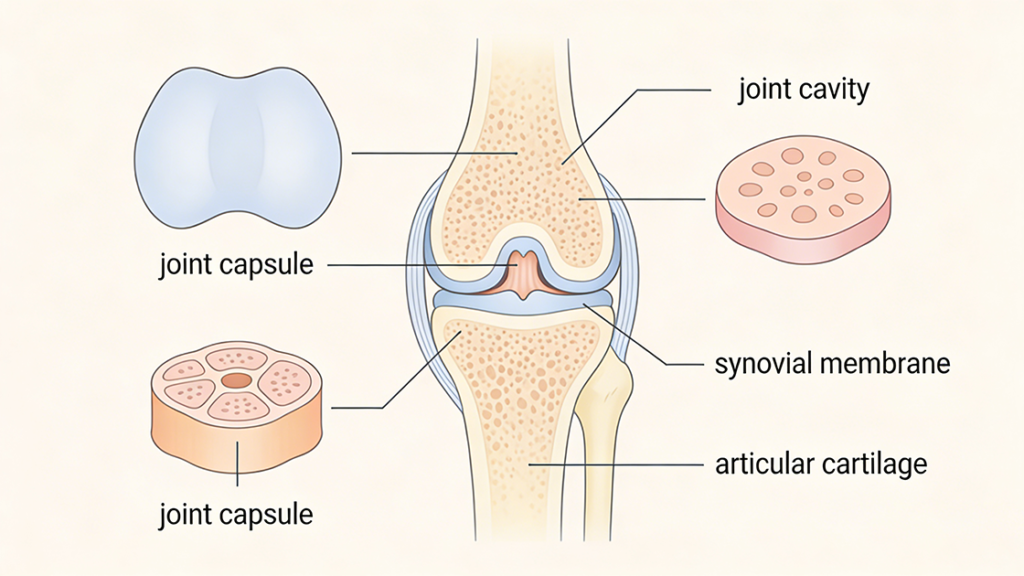
Every landing from a vault or tumbling pass generates significant ground reaction forces that travel through the ankles, knees, and hips. Over years of training and competition, these repeated impacts can lead to microtrauma, cartilage wear, and joint capsule strain. Class IV Laser Therapy works by stimulating cellular repair and improving microcirculation in these tissues, helping mitigate chronic damage and supporting long-term joint health. Even decades after retiring, gymnasts can benefit from these non-invasive interventions that promote tissue resilience.
1.2 Overuse of Upper Limb Joints
Gymnastics routines place continuous stress on wrists, elbows, and shoulders due to handstands, rings, bars, and vaults. Chronic overuse can lead to tendon thickening, ligament laxity, and joint discomfort. Laser therapy facilitates cellular energy production in deep tissues, enhancing fibroblast activity and reducing inflammation, which helps restore flexibility and comfort. For retired gymnasts, maintaining upper limb function is crucial for daily activities and recreational sports participation.
1.3 Long-Term Musculoskeletal Adaptations
Years of training induce both beneficial and detrimental musculoskeletal adaptations. While strong bones and ligaments are advantageous, altered tissue architecture and imbalances can predispose retired gymnasts to degenerative conditions. Class IV Laser Therapy promotes balanced tissue regeneration, supports collagen remodeling, and enhances overall joint function. By targeting both superficial and deep structures, this therapy addresses multiple layers of joint health, improving functional outcomes without surgery.
2. Mechanisms of Class IV Laser Therapy
Class IV lasers provide deep tissue photobiomodulation, which triggers physiological processes essential for tissue repair and inflammation modulation.
2.1 Photobiomodulation and Cellular Energy Enhancement
The laser emits specific wavelengths absorbed by mitochondria, stimulating ATP production. Cells with increased energy can efficiently repair microdamage, regulate oxidative stress, and maintain tissue homeostasis. For retired gymnasts with decades of joint microtrauma, this enhanced cellular metabolism supports tissue recovery and helps restore functional capacity. Deep penetration allows the therapy to reach the ligaments, tendons, and cartilage most affected by high-impact training.
2.2 Anti-Inflammatory and Circulatory Effects
Chronic inflammation contributes to stiffness and discomfort in post-career athletes. Class IV lasers modulate inflammatory mediators and improve local microcirculation. Increased blood flow delivers oxygen and nutrients to stressed tissues while facilitating the removal of metabolic waste. These effects reduce pain, improve range of motion, and create an optimal environment for ongoing joint maintenance. Unlike systemic medications, laser therapy provides localized, targeted relief.
2.3 Collagen Remodeling and Tissue Regeneration
Laser energy stimulates fibroblasts, encouraging collagen synthesis and extracellular matrix remodeling. Collagen is essential for tendon and ligament strength, skin elasticity, and joint stability. By enhancing collagen organization, Class IV Laser Therapy supports both structural and functional recovery. This is particularly relevant for retired gymnasts experiencing ligament laxity or connective tissue thinning after years of intensive training.
3. Benefits for Retired Gymnasts
Laser therapy can significantly improve quality of life and functional ability in retired gymnasts.
3.1 Non-Invasive Pain Management
Many retired gymnasts experience chronic joint pain that limits daily activities. Class IV Laser Therapy provides relief without surgical intervention or prolonged drug use. The non-invasive nature and minimal downtime make it a practical option for maintaining an active lifestyle, including recreational gymnastics, fitness routines, or social sports participation.
3.2 Improved Flexibility and Joint Mobility
Targeted laser treatments enhance soft tissue flexibility and joint range of motion. This is crucial for gymnasts who often face stiffness in previously overused joints. Gradual improvements in mobility can allow for safer movement patterns, reduce compensatory strain, and improve confidence in physical activity after retirement.
3.3 Complementary to Rehabilitation and Conditioning
Laser therapy works synergistically with physical therapy, strength training, and stretching exercises. By preparing tissues to respond better to mechanical loading, it enhances the effectiveness of rehabilitation programs. For retired gymnasts, this combination supports long-term joint health and helps prevent secondary injuries.
4. What to Expect During Therapy
Understanding the treatment process can help retired athletes optimize their experience.
4.1 Session Frequency and Duration
Therapy typically involves multiple sessions spaced over several weeks. Chronic tissue adaptations require cumulative biological responses, so consistent treatment yields the best outcomes. Subtle improvements in pain and mobility are often noticed within a few sessions, while optimal effects build over time.
4.2 Sensations During Laser Application
Patients usually feel a gentle warmth or deep heating sensation. This is generally comfortable and soothing, indicating energy absorption by tissues. No anesthesia is required, and normal daily activities can continue immediately after each session.
4.3 Lifestyle Integration
Combining therapy with healthy habits — proper hydration, balanced exercise, joint mobility routines, and nutrition — enhances outcomes. Laser therapy supports tissue biology, but sustained results come from integrating active lifestyle practices and joint care strategies.
5. Long-Term Joint Care Strategies for Retired Gymnasts
Instead of focusing on providers, retired gymnasts can proactively maintain joint health alongside laser therapy through targeted lifestyle habits and self-care.
5.1 Maintaining Mobility Through Daily Stretching
Gentle stretching and mobility exercises prevent joint stiffness and improve circulation. Focusing on wrist, shoulder, hip, and ankle mobility helps maintain functional range of motion. Consistent daily routines complement the tissue repair stimulated by Class IV Laser Therapy.
5.2 Strength and Stability Training
Targeted strength exercises support joint stability and reduce the risk of secondary injuries. Low-impact resistance training, core stability, and balance work can enhance ligament and tendon resilience, prolonging the functional benefits gained from laser therapy sessions.
5.3 Nutrition and Recovery Support
Adequate protein intake, anti-inflammatory foods, and proper hydration facilitate tissue repair and overall joint health. Pairing nutritional strategies with laser therapy promotes cellular recovery and collagen remodeling, creating a supportive environment for long-term musculoskeletal maintenance.
5.4 Lifestyle Modifications
Reducing high-impact activities or using protective equipment for recreational sports helps minimize further joint stress. Mindful activity choices and pacing daily exercise routines ensure that retired gymnasts maintain active lifestyles without overloading vulnerable joints.
FAQ
Q: Does Class IV Laser Therapy hurt?
A: Most patients feel warmth or a mild deep heating sensation; it is generally comfortable.
Q: How many sessions are required?
A: Chronic joint issues often require 6–12 sessions, depending on severity.
Q: Can retired gymnasts still benefit years after training?
A: Yes — chronic tissue changes remain responsive to photobiomodulation even decades post-retirement.
Q: Are there side effects?
A: Side effects are rare, usually mild warmth or temporary redness.
Q: Can this therapy replace surgery?
A: It is not a replacement for structural injuries but can reduce pain and improve function for chronic soft tissue issues.
Schlussfolgerung
Class IV Laser Therapy offers retired gymnasts a scientifically backed, non-invasive approach to protect and restore joint health after years of high-impact training. By stimulating cellular repair, enhancing circulation, and supporting collagen remodeling, it helps manage chronic pain, improve mobility, and maintain quality of life. Combining this therapy with proactive joint care strategies — including stretching, strength training, proper nutrition, and mindful activity — ensures long-term musculoskeletal health and sustainable functional improvements.
References
RheinLasers — Treatments Overview
https://www.rheinlasers.com/treatments
Baxter, G.D., et al. “Therapeutic Lasers: Theory and Practice.” Primary Care: Clinics in Office Practice, 1991.
https://pubmed.ncbi.nlm.nih.gov/1894912
Chow, R.T., et al. “Efficacy of Laser Therapy in Chronic Musculoskeletal Pain.” Pain Medicine, 2007.
https://pubmed.ncbi.nlm.nih.gov/17910764
Bjordal, J.M., et al. “A Systematic Review of Low Level Laser Therapy with Location-Specific Doses for Pain from Chronic Joint Disorders.” Journal of Clinical Laser Medicine & Surgery, 2003.
 English
 العربية
 Français
 日本語
日本語 Português
 Español
 Русский
 Deutsch