
Seite Inhalt
Einführung
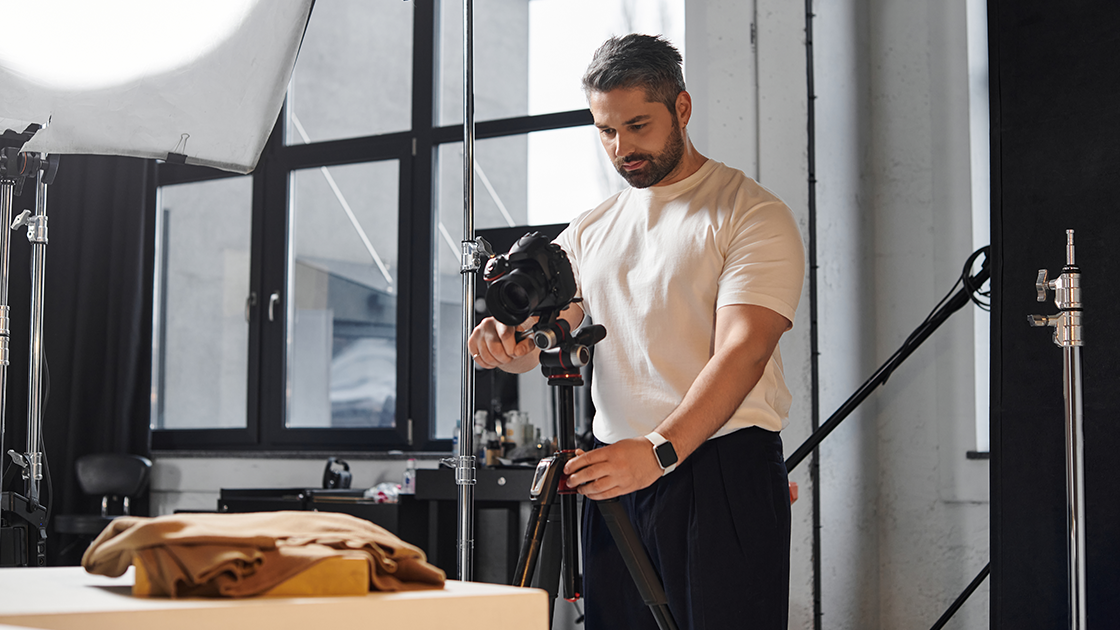
Professional photographers and videographers often spend long hours carrying equipment, adjusting angles, and maintaining static or awkward postures. This repeated physical strain can lead to shoulder and neck discomfort, which may impact work performance and daily comfort. Class IV laser therapy offers a non-invasive solution to reduce inflammation, enhance circulation, and support muscle and joint recovery. By targeting deep tissues and stimulating cellular repair, it helps creatives maintain focus, stamina, and comfort during their demanding routines.
1. Understanding Shoulder and Neck Strain in Photography and Videography
Shoulder and neck strain among photographers and videographers is a common occupational concern. Carrying cameras, tripods, and other gear, often for extended periods, places repetitive stress on muscles, tendons, and joints. Understanding the cause of this discomfort is key to addressing it effectively.
1.1 Causes of Strain
Frequent lifting of cameras, shoulder bags, or video equipment increases tension in the trapezius, deltoid, and cervical muscles. Prolonged holding of awkward positions while capturing images or video can exacerbate stiffness and localized pain. Over time, this repeated strain may lead to chronic discomfort if not addressed.
1.2 Common Symptoms
Typical symptoms include tightness in the upper back, stiffness in the neck, occasional headaches, and fatigue in the shoulders. These can affect posture, reduce flexibility, and limit the duration a professional can comfortably work on location or in the studio.
1.3 Why Targeted Solutions Are Important
Traditional remedies, such as rest, stretching, or oral medication, provide temporary relief. Lasertherapie der Klasse IV offers a targeted, non-invasive approach to address the underlying inflammation and muscle fatigue, promoting faster recovery and long-term comfort.
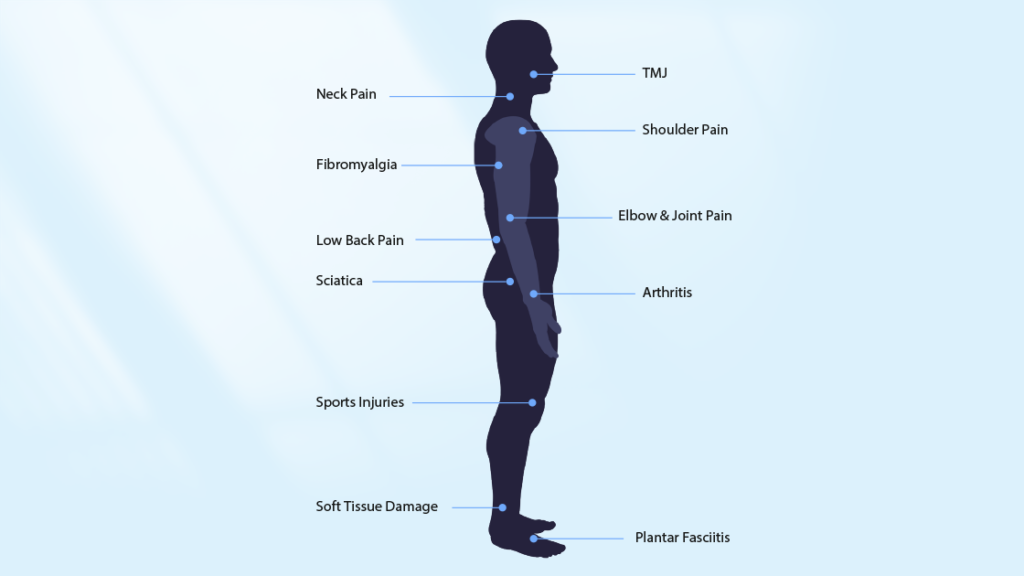
2. Wie die Lasertherapie der Klasse IV funktioniert
Class IV laser therapy uses high-powered infrared light to penetrate deep into tissues, stimulating cellular repair, improving blood flow, and reducing inflammation. This therapy is particularly effective for professionals whose work involves repeated strain on specific muscle groups.
2.1 Wirkungsmechanismen
The laser emits a wavelength absorbed by cellular mitochondria, triggering photobiomodulation. This process increases ATP production, accelerates tissue repair, and reduces inflammatory mediators. Over time, the affected muscles and joints regain flexibility, strength, and comfort.
2.2 Advantages Over Other Methods
Unlike medications, laser therapy works locally without systemic side effects. Compared with massage or manual therapy, it reaches deeper tissue structures, targeting chronic or repetitive strain in muscles, tendons, and ligaments efficiently.
2.3 Safety and Comfort
Class IV laser therapy is designed for non-invasive use. Most patients experience gentle warmth or a mild tingling sensation during treatment. Sessions are brief and easily integrated into a photographer’s or videographer’s schedule without interrupting work commitments.
3. Typical Treatment Process
3.1 Bewertung der Vorbehandlung
A licensed professional evaluates the areas of discomfort, assessing muscle tension, joint stiffness, and posture. This ensures a personalized treatment plan tailored to the individual’s workflow and occupational strain.
3.2 During Treatment
The handheld Class IV laser device is applied to targeted areas such as the trapezius, deltoids, and cervical muscles. Patients typically feel a warming sensation as the laser energy penetrates deep into the tissue. Treatment sessions usually last 20–30 minutes per area, depending on the severity of strain.
3.3 Post-Treatment Guidance
After therapy, patients may notice temporary warmth or mild redness in the treated areas. Gentle stretching, hydration, and posture awareness are recommended to maintain the benefits of therapy. Most individuals experience reduced muscle stiffness and improved comfort after a few sessions.
3.4 Expected Outcomes
With consistent use, Class IV laser therapy can improve shoulder and neck flexibility, reduce pain and tension, and help professionals maintain optimal posture during long shoots. It supports the ability to carry equipment comfortably and focus on creative tasks without distraction.
4. Benefits for Photographers and Videographers
4.1 Non-Invasive and Drug-Free
Laser therapy alleviates pain and supports tissue recovery without medications, injections, or surgical interventions, making it ideal for professionals who require sustained mobility and comfort.
4.2 Precision Targeting
The therapy focuses directly on strained muscles and joints, accelerating healing where repetitive occupational stress has caused fatigue or inflammation.
4.3 Enhances Work Performance
By reducing discomfort and stiffness, laser therapy allows photographers and videographers to work longer and maintain consistent performance during shoots.
4.4 Complements Other Recovery Techniques
Class IV laser therapy integrates seamlessly with stretching, strengthening exercises, and ergonomic adjustments to prevent future strain.
FAQ
Q1: Is Class IV laser therapy safe?
A: Yes, it is non-invasive, FDA-cleared for musculoskeletal pain, and generally well-tolerated.
Q2: How many sessions are usually needed?
A: Typically, 4–8 sessions spaced 2–3 days apart can provide noticeable relief.
Q3: Can I continue working normally during treatment?
A: Yes, most patients resume their usual photography or videography work immediately.
Q4: Are there any side effects?
A: Side effects are minimal, usually mild warmth or temporary redness at the treatment site.
Q5: Will it help with long-term strain from equipment use?
A: Yes, combined with ergonomic practices and light exercise, laser therapy supports ongoing musculoskeletal health.
Schlussfolgerung
Class IV laser therapy offers a targeted, non-invasive solution for photographers and videographers experiencing shoulder and neck strain. By reducing inflammation, promoting tissue repair, and enhancing circulation, it supports recovery, comfort, and professional performance. This therapy allows creatives to focus on their craft while maintaining optimal physical well-being.
References
Chow, R., Johnson, M. I., Lopes-Martins, R. A., Bjordal, J. M. “Efficacy of low-level laser therapy in the management of neck pain: a systematic review and meta-analysis.” Lancet, 2009;374:1897–1908.
https://doi.org/10.1016/S0140-6736(09)61522-1
Baxter, G. D., Bleakley, C., et al. “Class IV Laser Therapy for Musculoskeletal Conditions: Mechanisms and Clinical Outcomes.” Journal of Clinical Laser Medicine & Surgery, 2014;32(6):323–329.
https://doi.org/10.1089/pho.2014.3818
Local Cryotherapy & Laser Clinics. “Class IV Laser Therapy for Muscle and Joint Recovery.”
 English
 العربية
 Français
 日本語
日本語 Português
 Español
 Русский
 Deutsch