

Seite Inhalt
Einführung
Fractures are a common injury that can result in significant pain, swelling, and functional limitations. Traditional recovery methods, including immobilization, physical therapy, and analgesics, often address only part of the recovery process. Class IV laser therapy has emerged as a powerful adjunct treatment for post-fracture rehabilitation. By reducing inflammation, alleviating pain, and stimulating tissue repair at the cellular level, this therapy offers patients a faster, more comfortable recovery experience. Understanding its mechanisms and benefits is essential for those looking to optimize healing outcomes.
1. Understanding Post-Fracture Pain and Swelling
Post-fracture recovery involves more than bone healing; soft tissue and vascular responses play a critical role.
1.1 Causes of Pain and Swelling After Fractures
Pain and swelling after fractures occur due to inflammatory responses, tissue damage, and fluid accumulation around the injured site. In addition, immobilization and reduced movement can contribute to stiffness, delayed circulation, and prolonged discomfort.
1.2 Impact on Function and Recovery
Excessive pain and swelling not only reduce mobility but also hinder rehabilitation exercises, potentially leading to muscle atrophy, joint stiffness, and delayed bone remodeling. Effective management is therefore critical for restoring full function.
2. Wie die Lasertherapie der Klasse IV funktioniert
Class IV lasers emit high-power infrared light that penetrates deep into tissues, providing both anti-inflammatory and analgesic effects.
2.1 Mechanisms of Action
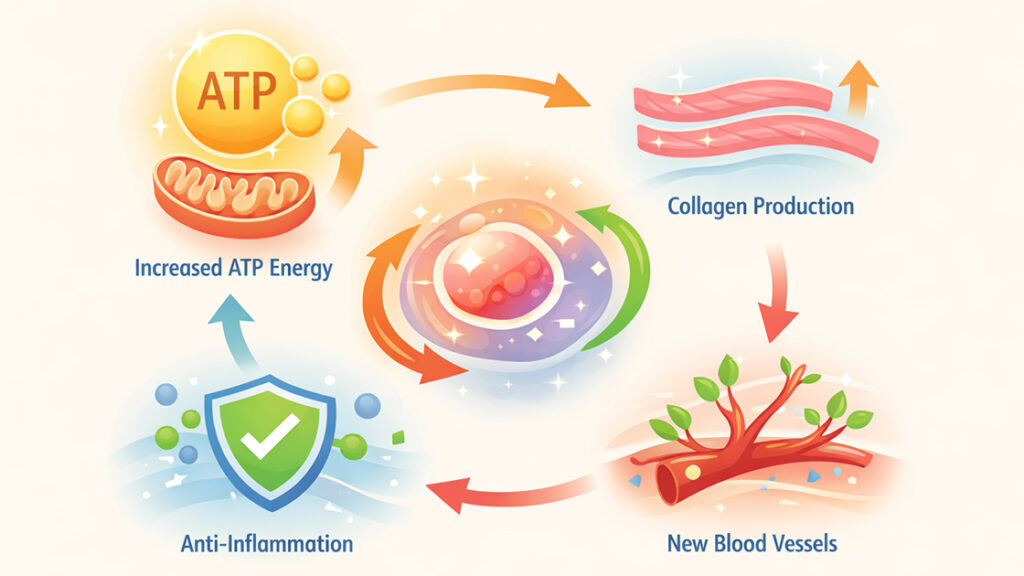
The laser stimulates cellular activity, enhancing ATP production, promoting microcirculation, and reducing pro-inflammatory mediators. This accelerates tissue repair, minimizes edema, and modulates nerve signaling to reduce pain perception.
2.2 Depth of Penetration and Power
Unlike lower-class lasers, Class IV lasers can penetrate deeper tissues, reaching periosteal layers and surrounding muscles. This allows direct impact on both bone healing zones and soft tissue inflammation, making it highly effective for post-fracture management.
3. Benefits of Class IV Laser Therapy for Post-Fracture Recovery
Lasertherapie der Klasse IV offers multiple advantages beyond pain relief.
3.1 Reduced Pain
By modulating nociceptor activity and decreasing inflammatory mediators, patients experience faster and more significant pain reduction compared to standard care alone.
3.2 Swelling and Inflammation Control
The therapy enhances lymphatic drainage and microcirculation, effectively reducing edema and accelerating the resolution of inflammation around the fracture site.
3.3 Enhanced Tissue Repair
Laser stimulation promotes collagen synthesis, angiogenesis, and cellular proliferation, supporting both soft tissue and bone healing, potentially shortening overall recovery time.
4. Treatment Protocol and Expectations
Understanding the process and realistic outcomes is essential for effective rehabilitation.
4.1 Typical Treatment Sessions
Most patients receive 2–5 sessions per week initially, with treatment durations ranging from 10–20 minutes per session depending on the fracture site and severity of pain and swelling.
4.2 Pre- and Post-Treatment Considerations
Patients are advised to follow immobilization protocols as directed by their physician, avoid applying anti-inflammatory creams immediately before sessions, and maintain proper nutrition to support healing. Post-treatment care includes gentle movement, continued protection of the injured site, and monitoring for unusual swelling or discomfort.
4.3 Safety Considerations
Class IV laser therapy is generally safe for most patients. Eye protection is required for both patient and operator. Skin burns are rare when proper protocols are followed, and therapy should be administered by trained professionals.
5. Complementary Strategies
Combining Class IV laser therapy with other rehabilitation methods can optimize outcomes.
5.1 Physical Therapy Integration
Gentle exercises and mobility routines after laser sessions help restore joint function, reduce stiffness, and strengthen surrounding muscles without exacerbating pain.
5.2 Nutrition and Bone Health
Adequate intake of calcium, vitamin D, and protein supports bone remodeling and soft tissue recovery, complementing the cellular stimulation provided by laser therapy.
5.3 Pain Management Coordination
Laser therapy can reduce reliance on oral analgesics, but it should be coordinated with the patient’s overall pain management plan to ensure optimal comfort and safety.
FAQ
Q1: Does Class IV laser therapy hurt?
Most patients feel a mild warming or tingling sensation during treatment. Topical cooling or adjustments in laser intensity can improve comfort.
Q2: How quickly will I notice results?
Pain and swelling reduction can be observed after the first 1–2 sessions, but full recovery benefits often appear after several weeks of consistent therapy.
Q3: Can all fractures benefit from Class IV laser therapy?
Most fractures, including long bones and minor periarticular fractures, can benefit. Therapy should be tailored based on fracture type, location, and overall health.
Q4: Are there any risks or side effects?
Side effects are rare but may include temporary redness or warmth at the treatment site. Burns or skin damage are extremely uncommon when proper protocols are followed.
Q5: How long should therapy continue?
Duration depends on fracture severity and patient response. Typically, treatment continues until pain and swelling have significantly subsided and functional mobility is restored.
Schlussfolgerung
Class IV laser therapy provides an effective, non-invasive option to manage post-fracture pain and swelling, accelerate tissue repair, and enhance overall rehabilitation. When integrated with standard orthopedic care, proper nutrition, and physical therapy, this therapy can shorten recovery time, reduce discomfort, and improve functional outcomes. Its ability to target both soft tissue and periosteal zones makes it an invaluable tool in modern post-fracture rehabilitation strategies.
References
Chow, R. T., Johnson, M. I., Lopes-Martins, R. A., & Bjordal, J. M. “Efficacy of low-level laser therapy in the management of neck pain: a systematic review and meta-analysis of randomized placebo or active-treatment controlled trials.” Lancet, 2009.
https://doi.org/10.1016/S0140-6736(09)60076-1
Bjordal, J. M., Johnson, M. I., Iversen, V., et al. “Low-level laser therapy in acute pain: a systematic review of possible mechanisms of action and clinical effects in randomized placebo-controlled trials.” Photomedicine and Laser Surgery, 2006.
https://doi.org/10.1089/pho.2006.22.333
Enwemeka, C. S., Parker, J. C., Dowdy, D. S., et al. “The efficacy of low-power lasers in tissue repair and pain control: a meta-analysis study.” Photomedicine and Laser Surgery, 2004.
https://doi.org/10.1089/1549541041743686
Tumilty, S., Munn, J., McDonough, S., et al. “Low-level laser treatment of tendinopathy: a systematic review with meta-analysis.” Photomedicine and Laser Surgery, 2010.
 English
 العربية
 Français
 日本語
日本語 Português
 Español
 Русский
 Deutsch