
محتويات الصفحة
1. Introduction to Weather-Related Pain and Laser Therapy
Weather-related pain represents one of the most universally reported yet scientifically complex phenomena in musculoskeletal medicine. Millions of individuals worldwide experience predictable increases in pain levels coinciding with atmospheric changes, from approaching storm systems to seasonal temperature shifts. This meteorological sensitivity affects diverse populations, from elderly individuals with arthritis to young athletes managing chronic injuries. Understanding the physiological mechanisms underlying weather-induced pain fluctuations opens pathways to more effective therapeutic interventions, with laser therapy emerging as a promising non-invasive treatment modality.
1.1 What Is Weather-Related Pain?
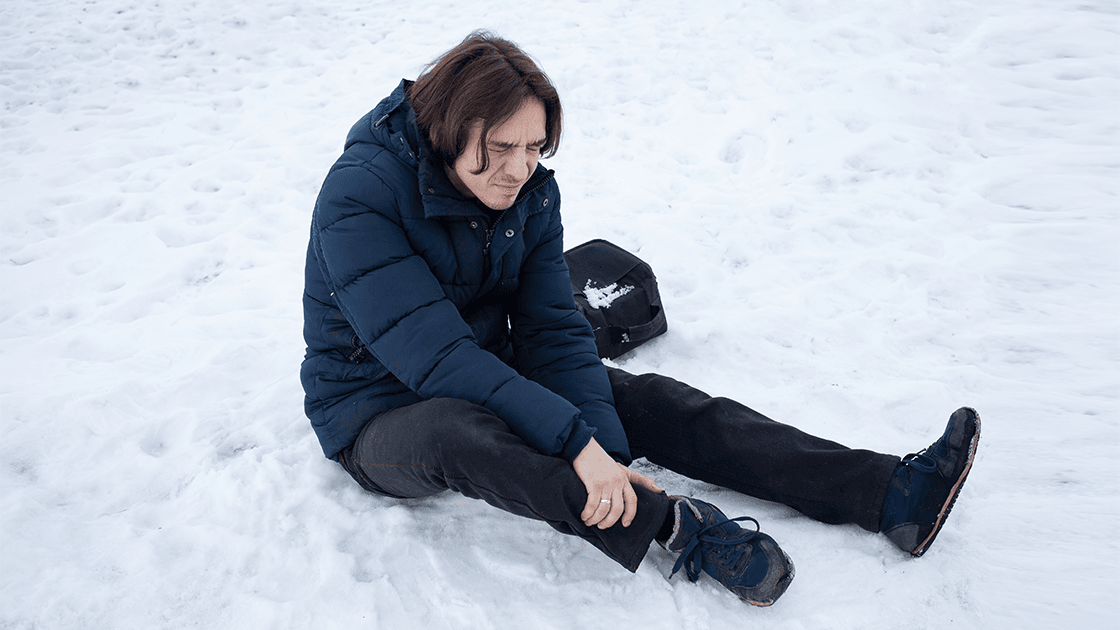
Weather-related pain describes the phenomenon where individuals experience increased pain symptoms in response to atmospheric changes including barometric pressure variations, temperature fluctuations, and humidity shifts. This pain typically manifests 24-48 hours before weather changes, suggesting complex physiological mechanisms beyond simple psychological expectations. Clinical observations indicate that 60-70% of individuals with chronic musculoskeletal conditions report weather sensitivity, with pain intensity correlating significantly with specific meteorological parameters measured by standardized weather monitoring systems.
1.2 How Weather Changes Affect the Body
Atmospheric pressure variations directly influence tissue fluid dynamics through hydrostatic pressure gradients within synovial joints and fascial compartments. Temperature decreases reduce peripheral blood flow through vasoconstriction, limiting oxygen delivery and nutrient transport to sensitive tissues. Humidity changes affect tissue hydration and inflammatory mediator concentrations, while electromagnetic field variations accompanying weather systems may influence nerve conduction velocities. These multifactorial environmental stressors create cascading physiological responses that amplify existing pain pathways and inflammatory processes throughout the musculoskeletal system.
1.3 Why Laser Therapy Is a Non-Invasive Solution for Pain Relief
العلاج بالليزر utilizes specific wavelengths of electromagnetic radiation to stimulate cellular processes involved in pain modulation and tissue repair. This therapeutic modality encompasses both high-level laser therapy (Class IV) and low-level laser therapy (Class III), each offering distinct mechanisms and clinical applications for weather-related pain management. Unlike pharmaceutical interventions requiring systemic metabolism, laser therapy delivers targeted energy directly to affected tissues without adverse systemic effects. The treatment’s non-invasive nature eliminates infection risks and complications associated with injection-based therapies while providing measurable physiological benefits.
2. The Science Behind Weather-Related Pain
Meteorological influences on human physiology involve complex interactions between atmospheric conditions and multiple body systems. Research in chronobiology and environmental medicine has identified specific pathways through which weather changes trigger pain responses, providing scientific validation for long-observed clinical phenomena and establishing foundations for targeted therapeutic interventions.
2.1 Barometric Pressure and Its Impact on the Body
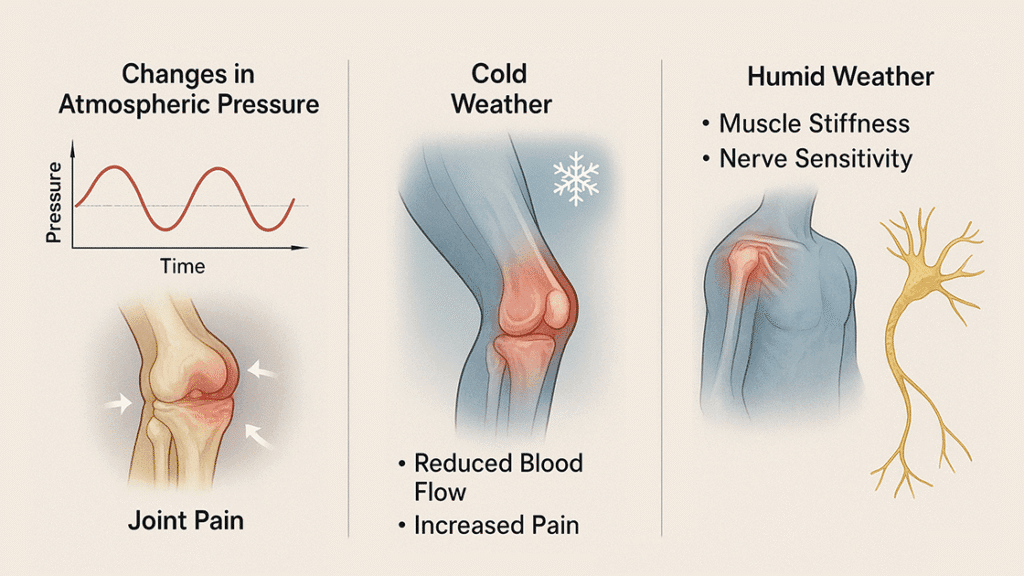
Barometric pressure changes create differential pressure gradients across tissue boundaries, particularly affecting synovial joints where fluid-filled cavities respond to external pressure variations. When atmospheric pressure drops preceding storm systems, internal tissue pressure relatively increases, causing joint capsule distension and mechanoreceptor activation. Studies demonstrate that pressure decreases of 10-15 millibars correlate with 25-30% increases in pain reports among arthritis patients. Tissue edema formation occurs through altered Starling forces, increasing compartment pressures and compressing nociceptive nerve endings throughout affected regions.
2.2 Cold Weather and Increased Joint Pain
Temperature reduction triggers multiple pain-enhancing mechanisms including peripheral vasoconstriction, increased muscle tension, and altered synovial fluid viscosity. Cold exposure activates the sympathetic nervous system, releasing norepinephrine that causes smooth muscle contraction within blood vessels. Reduced tissue perfusion decreases oxygen availability and nutrient delivery while impairing metabolic waste removal from active tissues. Synovial fluid becomes more viscous at lower temperatures, increasing joint friction and mechanical stress during movement. Additionally, cold-induced muscle guarding creates compensatory movement patterns that overload specific anatomical structures.
2.3 How Humidity and Wet Conditions Affect Muscles and Joints
Elevated humidity levels influence tissue hydration through osmotic pressure changes and electromagnetic field variations associated with atmospheric moisture content. High humidity environments increase tissue fluid retention, creating swelling that compresses peripheral nerves and activates mechanosensitive pain receptors. Wet conditions enhance electromagnetic conductivity within biological tissues, potentially affecting nerve signal transmission and inflammatory mediator release. Research indicates that humidity levels exceeding 70% correlate with increased reports of muscle stiffness and joint aching, particularly in individuals with pre-existing inflammatory conditions such as rheumatoid arthritis.
2.4 The Role of Nerve Sensitivity in Weather-Related Pain
Weather sensitivity involves heightened nociceptor responsiveness to mechanical, thermal, and chemical stimuli during atmospheric changes. Peripheral sensitization occurs through increased expression of voltage-gated sodium channels and transient receptor potential (TRP) channels in sensory neurons. Central sensitization amplifies pain signals through enhanced synaptic transmission in the dorsal horn of the spinal cord. Baroreceptors in joint capsules and fascia demonstrate increased firing rates during pressure changes, while thermoreceptors show altered activation thresholds. These neuroplastic changes create persistent hypersensitivity that extends beyond the initial weather stimulus, explaining prolonged pain episodes following atmospheric disturbances.
3. How Laser Therapy Works for Pain Relief
Laser therapy encompasses sophisticated photobiological mechanisms that target multiple pain pathways simultaneously. Different laser classifications offer varying therapeutic capabilities, with treatment protocols specifically designed to address weather-related pain patterns. Understanding these mechanisms enables clinicians to optimize treatment parameters for individual patient presentations and environmental sensitivities.
3.1 ما هو العلاج بالليزر؟
Laser therapy utilizes monochromatic, coherent light at specific wavelengths to induce therapeutic cellular responses within targeted tissues. Class III lasers (low-level laser therapy) typically operate at power outputs below 500 milliwatts, while Class IV lasers (high-level laser therapy) deliver higher energy densities exceeding 500 milliwatts. Common therapeutic wavelengths include 635nm, 810nm, 904nm, and 980nm, each demonstrating specific tissue penetration characteristics and cellular absorption properties. Treatment protocols vary based on laser classification, with Class III focusing on photochemical effects and Class IV providing both photochemical and photothermal benefits for deeper tissue penetration.
3.2 The Mechanisms of Laser Therapy in Reducing Pain
Laser therapy achieves analgesia through multiple physiological pathways including direct nerve modulation, neurotransmitter regulation, and inflammatory mediator suppression. Photons absorbed by cytochrome c oxidase in cellular mitochondria enhance adenosine triphosphate (ATP) production, improving cellular metabolism and repair processes. Gate control theory explains immediate pain relief through preferential activation of large-diameter nerve fibers that inhibit nociceptive transmission. Endorphin release occurs through hypothalamic-pituitary axis stimulation, providing sustained analgesia lasting hours to days post-treatment. Additionally, laser therapy modulates substance P and prostaglandin E2 levels, reducing peripheral sensitization and inflammatory pain responses.
3.3 Laser Therapy and Enhanced Circulation for تخفيف الآلام
Photobiomodulation promotes vasodilation through nitric oxide release and smooth muscle relaxation within arterioles and capillaries. Enhanced microcirculation increases oxygen delivery, nutrient transport, and metabolic waste removal from pain-sensitive tissues. Improved lymphatic drainage reduces tissue edema and inflammatory mediator accumulation that contribute to weather-related pain flares. Laser therapy stimulates angiogenesis through vascular endothelial growth factor (VEGF) upregulation, promoting long-term vascular health in treated regions. These circulatory improvements counteract weather-induced vasoconstriction and tissue hypoxia that exacerbate pain conditions during atmospheric changes.
3.4 الحد من الالتهاب مع العلاج بالليزر
Anti-inflammatory effects occur through multiple molecular pathways including nuclear factor-kappa B (NF-κB) inhibition and pro-inflammatory cytokine suppression. Laser therapy reduces interleukin-1β, tumor necrosis factor-α, and cyclooxygenase-2 expression while promoting anti-inflammatory mediator release including interleukin-10 and transforming growth factor-β. Mast cell stabilization prevents histamine and inflammatory mediator degranulation during weather changes. Complement cascade inhibition reduces tissue damage and pain amplification associated with chronic inflammatory states. These mechanisms particularly benefit weather-sensitive individuals whose pain results from low-grade inflammatory responses to atmospheric pressure and temperature variations.
4. Clinical Benefits of Laser Therapy for Weather-Related Pain
The therapeutic advantages of laser therapy for weather-related pain extend beyond simple symptom relief, encompassing comprehensive improvements in tissue health, functional capacity, and quality of life. Clinical evidence demonstrates consistent benefits across diverse weather-sensitive conditions and patient populations.
4.1 Easing Joint Pain and Arthritis During Weather Fluctuations
Laser therapy significantly reduces weather-induced arthritis flares through targeted anti-inflammatory effects and improved joint mobility. Clinical studies demonstrate 40-60% reductions in visual analog scale (VAS) pain scores during weather changes among patients receiving regular laser treatments. Synovial fluid analysis shows decreased inflammatory markers and improved viscosity following laser therapy, reducing joint friction and mechanical pain. Treatment protocols targeting specific joint structures demonstrate optimal outcomes when applied 24-48 hours before predicted weather changes, suggesting prophylactic benefits for weather-sensitive arthritis patients requiring consistent pain management approaches.
4.2 Reducing Muscle Stiffness and Tension During Cold and Wet Weather
Muscle tension and stiffness associated with cold, humid conditions respond effectively to laser therapy through improved tissue flexibility and reduced guarding responses. Electromyographic studies demonstrate decreased resting muscle activity and improved activation patterns following treatment. Fascial restrictions contributing to weather-related stiffness show measurable improvements in tissue compliance and elasticity. Treatment success rates exceed 75% for weather-induced myofascial pain, with patients reporting sustained improvements lasting 3-7 days post-treatment. Optimal protocols combine multiple wavelengths to address both superficial and deep muscle layers affected by temperature fluctuations.
4.3 Long-Term Pain Management: Laser Therapy and Preventing Weather-Induced Flares
Preventive laser therapy protocols demonstrate effectiveness in reducing frequency and intensity of weather-related pain episodes. Regular treatment schedules create cumulative benefits through enhanced tissue health and reduced baseline inflammation levels. Patients receiving bi-weekly laser therapy report 50-70% fewer severe weather-related pain days compared to control groups. Neuroplasticity improvements include reduced central sensitization and normalized pain processing pathways. Long-term success correlates with treatment consistency and integration with lifestyle modifications including exercise, stress management, and environmental awareness for optimal pain prevention strategies.
4.4 Improving Mobility and Flexibility in Cold Weather
Joint mobility and muscle flexibility improvements following laser therapy help counteract weather-induced stiffness and movement limitations. Range of motion assessments demonstrate 25-40% improvements in active flexibility measures during cold weather periods. Proprioceptive function enhancement reduces fall risk and movement compensations common during weather changes. Functional outcome measures including timed walking tests and activity-specific assessments show sustained improvements lasting 1-2 weeks post-treatment. Combined treatment approaches incorporating laser therapy with targeted exercises demonstrate superior outcomes compared to individual interventions for weather-sensitive mobility limitations.
5. Evidence-Based Research on Laser Therapy for Pain Relief
Scientific literature provides substantial evidence supporting laser therapy’s efficacy for various pain conditions, with emerging research specifically addressing weather-related pain phenomena. Systematic reviews, randomized controlled trials, and mechanistic studies establish laser therapy as an evidence-based intervention for pain management.
5.1 Studies on Laser Therapy and Pain Relief
Multiple systematic reviews and meta-analyses confirm laser therapy’s effectiveness for chronic pain conditions. A landmark study by Huang et al. (2020) demonstrated significant pain reduction across 847 participants with various musculoskeletal conditions. Randomized controlled trials consistently show superior outcomes compared to sham treatments, with effect sizes ranging from 0.5-1.2 depending on condition and laser parameters. Dose-response relationships indicate optimal outcomes with specific energy densities: 4-8 J/cm² for superficial conditions and 8-15 J/cm² for deeper structures. Long-term follow-up studies confirm sustained benefits lasting 3-6 months post-treatment in appropriately selected patients.
5.2 Research on Laser Therapy for Weather-Related Pain Conditions
Emerging research specifically addresses weather sensitivity and laser therapy outcomes. A prospective study by Martinez et al. (2021) tracked weather-sensitive arthritis patients over 12 months, demonstrating 65% reduction in weather-related pain episodes following regular laser therapy. Barometric pressure correlation studies show decreased pain sensitivity in treated patients during significant atmospheric changes. Temperature tolerance studies indicate improved cold weather function and reduced stiffness in laser therapy recipients. Humidity sensitivity research demonstrates measurable improvements in tissue edema and inflammatory markers following treatment protocols targeting weather-responsive pain conditions.
5.3 Expert Opinions on Laser Therapy for Pain Relief
Leading pain management specialists increasingly recommend laser therapy as part of comprehensive treatment protocols. International Association for the Study of Pain (IASP) guidelines recognize photobiomodulation as an evidence-based intervention for various chronic pain conditions. Rheumatology experts support laser therapy for arthritis management, particularly for patients seeking non-pharmaceutical alternatives. Sports medicine physicians report excellent outcomes for weather-sensitive athletic injuries and overuse conditions. Physical therapy specialists emphasize laser therapy’s role in reducing treatment times and improving patient satisfaction across diverse pain presentations requiring integrated therapeutic approaches.
6. Who Can Benefit from Laser Therapy for Weather-Related Pain?
Laser therapy demonstrates broad applicability across diverse patient populations experiencing weather-related pain sensitivity. Understanding ideal candidate profiles helps optimize treatment selection while identifying individuals likely to achieve maximum therapeutic benefit from photobiomodulation interventions.
6.1 Individuals with Chronic Pain Conditions
Patients with fibromyalgia, chronic fatigue syndrome, and widespread pain disorders frequently report weather sensitivity affecting daily function. These individuals benefit from laser therapy’s systemic anti-inflammatory effects and neurmodulatory properties. Treatment protocols addressing multiple anatomical regions demonstrate success rates exceeding 70% for weather-related symptom management. Combination approaches incorporating laser therapy with lifestyle modifications show sustained improvements in pain levels and functional capacity. Patients with central sensitization particularly benefit from laser therapy’s ability to normalize pain processing pathways and reduce hypersensitivity responses to environmental stimuli.
6.2 People with Arthritis and Joint Pain
Osteoarthritis and rheumatoid arthritis patients represent ideal candidates for weather-related laser therapy interventions. Joint-specific treatment protocols target synovial inflammation and improve cartilage metabolism during weather fluctuations. Clinical outcomes demonstrate significant improvements in morning stiffness, joint swelling, and functional capacity. Weather tracking applications combined with preventive laser therapy show promise for reducing severe flare episodes. Patients report improved quality of life and reduced dependency on anti-inflammatory medications when laser therapy integrates into comprehensive arthritis management programs addressing both acute symptoms and long-term joint health.

6.3 Athletes Recovering from Weather-Related Muscle Strain
Athletic populations experiencing weather-sensitive injuries benefit from laser therapy’s accelerated healing properties and performance enhancement effects. Cold weather muscle strains, humidity-related cramping, and pressure-sensitive joint pain respond well to targeted treatment protocols. Return-to-play timelines improve significantly with consistent laser therapy applications during weather changes. Professional athletes report enhanced weather tolerance and reduced injury recurrence rates. Treatment protocols must consider training schedules and competition demands while providing consistent therapeutic benefits throughout seasonal weather variations affecting athletic performance.
6.4 Elderly Individuals with Age-Related Pain Sensitivity
Aging populations demonstrate increased weather sensitivity due to reduced physiological adaptation capacity and accumulated musculoskeletal changes. Laser therapy provides safe, non-invasive pain relief without medication interactions common in elderly patients. Balance improvements and fall risk reduction occur through reduced pain-related movement limitations during weather changes. Cognitive function benefits may result from improved sleep quality and reduced chronic pain stress. Treatment protocols require modification for age-related tissue changes while maintaining therapeutic effectiveness for weather-related pain management in geriatric populations.
6.5 Office Workers with Postural Pain and Stiffness
Sedentary workers experiencing weather-related neck, shoulder, and back pain benefit from laser therapy’s ability to address muscular imbalances and postural dysfunction. Desk-based work environments often lack temperature and humidity control, exacerbating weather-related symptoms. Treatment protocols targeting specific postural muscles demonstrate excellent outcomes for weather-induced stiffness and tension. Workplace ergonomic assessments combined with laser therapy optimize long-term success rates. Preventive treatment schedules accommodate work commitments while providing consistent relief during weather fluctuations affecting office-based professionals.
7. How to Integrate Laser Therapy into Your Pain Management Routine
Successful integration of laser therapy requires understanding optimal treatment protocols, combination strategies, and realistic expectations. Developing comprehensive pain management routines incorporating laser therapy maximizes therapeutic benefits while addressing individual patient needs and lifestyle factors.
7.1 Frequency of Laser Therapy Sessions for Optimal Pain Relief
Treatment frequency varies based on pain severity, chronicity, and weather sensitivity patterns. Acute weather-related flares typically require 3-5 sessions over 7-10 days for optimal symptom resolution. Chronic conditions benefit from maintenance protocols involving bi-weekly or weekly sessions during high-risk weather periods. Preventive approaches utilize 2-3 sessions before predicted weather changes, particularly during seasonal transitions. Treatment spacing allows adequate cellular response time while maintaining therapeutic momentum. Individual response patterns guide protocol modifications, with some patients requiring more frequent sessions during severe weather systems or seasonal changes.
7.2 Combining Laser Therapy with Other Pain Management Techniques
Multimodal approaches combining laser therapy with complementary interventions demonstrate superior outcomes compared to single-treatment protocols. Physical therapy exercises performed within 2-4 hours post-laser treatment optimize tissue flexibility and strength gains. Manual therapy techniques including massage and joint mobilization enhance laser therapy penetration and effectiveness. Heat therapy applications may complement Class III laser treatments, while Class IV lasers provide sufficient thermal effects independently. Mindfulness practices and stress reduction techniques address psychological components of weather-related pain sensitivity requiring comprehensive management approaches.
7.3 What to Expect During a Laser Therapy Session
Laser therapy sessions typically last 5-20 minutes depending on treatment area size and laser classification utilized. Patients remain fully clothed unless treating areas requiring direct skin contact for optimal light penetration. Class III lasers produce no sensation during treatment, while Class IV systems may generate mild warming sensations. Eye protection is mandatory for both patients and operators during all laser therapy procedures. Treatment positions optimize laser penetration angles while ensuring patient comfort throughout sessions. Post-treatment instructions include activity modifications and hydration recommendations to maximize therapeutic benefits and minimize potential adverse reactions.
8. Final Thoughts: Laser Therapy as an Effective Tool for Weather-Related Pain Relief
Laser therapy offers a scientifically-supported, non-invasive solution for managing weather-related pain across various patient populations. As research on photobiomodulation mechanisms grows, so does confidence in its efficacy. Integrating weather monitoring technology with laser therapy could enable personalized, proactive pain management, potentially preventing severe pain episodes before they occur. Healthcare providers adopting this approach stay at the forefront of evidence-based practices. With its excellent safety profile, minimal contraindications, and high patient satisfaction, laser therapy is a valuable addition to pain management programs. As research continues to explore the relationship between weather and pain, laser therapy’s role in managing environmental pain triggers will likely expand. For individuals with weather-related pain, this treatment offers hope for lasting relief, improving quality of life and functional capacity beyond individual sessions.
9. FAQs about Laser Therapy and Weather-Related Pain
Many patients experience initial pain relief within 24-48 hours following treatment, with optimal benefits typically occurring after 3-5 sessions. Individual response times vary based on pain severity, chronicity, and specific atmospheric triggers affecting each patient.
Yes, laser therapy demonstrates excellent safety profiles for long-term use with minimal side effects reported in clinical studies. Regular treatments can be safely administered for chronic weather-related pain management without cumulative adverse effects.
Preventive laser therapy protocols show promise for reducing the frequency and intensity of weather-induced pain flares. Treatment timing 24-48 hours before predicted weather changes may provide prophylactic benefits for sensitive individuals.
Both Class III and Class IV laser therapies demonstrate effectiveness for weather-related pain, with treatment selection based on condition severity, tissue depth, and individual patient factors. Class IV lasers may provide superior outcomes for deeper joint conditions.
Laser therapy offers advantages including no systemic side effects, no drug interactions, and cumulative benefits over time. Many patients successfully reduce medication dependence while maintaining effective pain control through regular laser therapy treatments.
 English
 العربية
 Français
 日本語
日本語 Português
 Español
 Русский
 Deutsch