
محتويات الصفحة
مقدمة
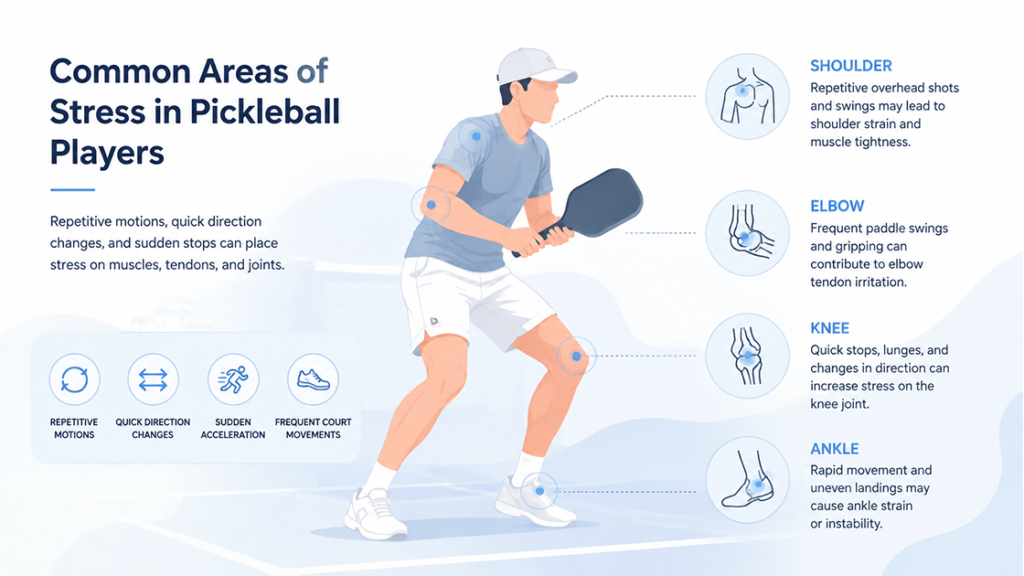
Pickleball has become a popular recreational sport because it combines movement, competition, and social interaction. However, repeated swinging motions, quick direction changes, sudden acceleration, and frequent court movements can place stress on muscles, tendons, and joints. Common concerns among pickleball players include tennis elbow, shoulder discomfort, knee soreness, ankle strain, and muscle fatigue. العلاج بالليزر من الفئة الرابعة has gained attention in sports rehabilitation because it uses concentrated light energy to support cellular activity, circulation, and the body’s natural recovery process. When included as part of a comprehensive care plan, laser therapy may help reduce discomfort and support mobility for players who want to return to their daily activities and sports routines.
1. Understanding Pickleball Injuries and Physical Stress
Pickleball requires repeated upper and lower body movements that involve coordination, balance, and quick reactions. Although many people consider it a low-impact sport, players can still experience overuse injuries or acute strains when their bodies face repetitive stress without enough recovery time.
1.1 Common Injuries Among Pickleball Players
Pickleball-related discomfort often appears in areas that experience repeated loading and movement. The most common concerns include elbow tendon irritation, shoulder strain, knee discomfort, calf tightness, ankle problems, and lower back stiffness.
The repetitive paddle motion may increase stress around the wrist and elbow tendons. Players who frequently perform overhead shots or powerful swings may also experience shoulder muscle fatigue. At the same time, quick lateral movements and sudden stops can place additional pressure on the knees and ankles.
Understanding these common physical challenges allows players and healthcare professionals to develop appropriate recovery strategies.
1.2 Why Pickleball Can Lead to Muscle and Joint Discomfort
The body needs time to adapt to new activity levels. Many pickleball players increase playing frequency quickly, especially when they become interested in improving their skills. This increase in repetitive movement may contribute to inflammation, muscle tension, and temporary discomfort.
From a biomechanical perspective, pickleball involves:
- Repeated arm rotation
- Rapid acceleration and deceleration
- Frequent changes in body position
- Weight transfer between lower extremities
These movements require coordination between muscles, tendons, ligaments, and joints. When certain tissues experience repeated stress, players may notice soreness or reduced flexibility.
1.3 The Importance of Recovery in Sports Performance
Recovery plays an important role in maintaining an active lifestyle. Proper stretching, strength training, rest periods, and professional guidance can help players manage physical stress.
For individuals who continue experiencing discomfort, additional supportive approaches such as Class IV Laser Therapy may become part of a personalized rehabilitation plan.
2. How Class IV Laser Therapy Supports Pickleball Recovery
Class IV Laser Therapy is a form of photobiomodulation that uses therapeutic light energy to interact with tissues. Unlike traditional approaches that only focus on temporary symptom management, laser therapy aims to support biological processes involved in tissue recovery.
2.1 The Science Behind Class IV Laser Therapy
Class IV Laser Therapy delivers specific wavelengths of light into targeted tissue areas. This light energy interacts with cellular structures, particularly mitochondria, which are responsible for producing cellular energy.
This process may support:
- Increased cellular activity
- Improved local circulation
- Oxygen and nutrient delivery
- Natural tissue repair processes
By supporting these biological functions, laser therapy may help create a better environment for recovery.
2.2 Supporting Muscle Recovery After Pickleball Activity
Muscle fatigue is common among active players, especially after longer matches or repeated training sessions. Muscle soreness can affect movement quality and limit participation.
Class IV Laser Therapy may help support muscle relaxation and recovery by encouraging circulation and reducing factors associated with temporary discomfort. This approach can be combined with exercise programs, stretching routines, and physical therapy methods.
2.3 Managing Tendon and Joint Discomfort
Tendons and joints experience significant stress during repetitive sports activities. Conditions such as tennis elbow symptoms, shoulder irritation, and knee discomfort often involve inflammation and tissue sensitivity.
Laser therapy may provide supportive care by helping manage discomfort and promoting a healthier tissue environment. It does not replace professional evaluation, but it can complement other rehabilitation techniques.
3. Class IV Laser Therapy for Common Pickleball-Related Conditions
Different pickleball movements affect different areas of the body. Understanding how laser therapy may support specific concerns helps players make informed decisions about recovery options.
3.1 Supporting Tennis Elbow Symptoms in Pickleball Players
Tennis elbow, also known as lateral epicondylitis, involves irritation around the outer elbow area where forearm tendons attach. Repeated gripping and paddle movements may contribute to discomfort.
Players may experience:
- Elbow tenderness
- Reduced grip strength
- Pain during paddle swings
- Forearm tightness
Class IV Laser Therapy may support circulation around the affected area and help reduce discomfort during the recovery process.
3.2 Helping Shoulder Recovery After Repetitive Swings
Shoulder movement is essential in pickleball, especially during serves, smashes, and overhead shots. Repetitive shoulder rotation may create muscle fatigue and stiffness.
Laser therapy may support shoulder recovery by helping maintain tissue mobility and reducing discomfort associated with physical stress.
A complete recovery approach may also include mobility exercises, strengthening routines, and movement adjustments.
3.3 Supporting Knee and Lower Body Comfort
Pickleball requires frequent stepping, lunging, and direction changes. These movements place continuous demands on the knees, hips, calves, and ankles.
Players experiencing lower-body discomfort may benefit from recovery strategies that focus on circulation, flexibility, and muscle balance. Class IV Laser Therapy can serve as a supportive option alongside appropriate rehabilitation methods.
4. Benefits of Using Class IV Laser Therapy in Sports Rehabilitation
Modern sports rehabilitation focuses on helping individuals maintain movement quality while managing discomfort. Class IV Laser Therapy has become a useful technology for many rehabilitation professionals because it provides a non-invasive approach.
4.1 Non-Invasive Support for Active Individuals
Many athletes and recreational players prefer recovery methods that do not interfere significantly with their routines. Laser therapy sessions are designed to provide targeted support without invasive procedures.
For pickleball players, this approach may fit well into a broader recovery plan that includes exercise, rest, and professional recommendations.
4.2 Supporting Mobility and Daily Activities
Physical discomfort can affect more than sports performance. Elbow, shoulder, or knee problems may influence everyday activities such as lifting objects, walking, or household tasks.
By supporting tissue recovery and helping manage discomfort, Class IV Laser Therapy may contribute to improved movement comfort and functional ability.
4.3 Combining Laser Therapy with a Complete Recovery Plan
Laser therapy works best when combined with proper rehabilitation strategies. A complete approach may include:
- Physical therapy exercises
- Flexibility training
- Strength development
- Proper warm-up techniques
- Recovery periods
This combination helps players address both symptoms and movement patterns that contribute to physical stress.
5. Choosing Class IV Laser Therapy for Pickleball Recovery
As pickleball continues to attract players of different ages and activity levels, recovery solutions continue to evolve. Understanding available options allows players to make better decisions about their health and performance goals.
5.1 Who May Consider Class IV Laser Therapy?
Class IV Laser Therapy may be considered by pickleball players who experience ongoing muscle soreness, joint discomfort, or soft tissue irritation related to physical activity.
It may be especially relevant for:
- Recreational pickleball players
- Older active adults
- Competitive players
- Individuals returning to exercise routines
A healthcare professional can help determine whether laser therapy fits an individual recovery plan.
5.2 Maintaining Long-Term Joint and Muscle Health
Preventing future discomfort requires consistent attention to body care. Players can support long-term performance by improving strength, flexibility, movement techniques, and recovery habits.
Class IV Laser Therapy can serve as one supportive tool within a broader strategy designed to help pickleball players stay active and comfortable.
FAQ
What is Class IV Laser Therapy for pickleball injuries?
Class IV Laser Therapy uses concentrated light energy to support cellular activity, circulation, and the body’s natural recovery processes for sports-related discomfort.
Can Class IV Laser Therapy help with tennis elbow from pickleball?
It may help support recovery and reduce discomfort associated with tennis elbow symptoms when used as part of a complete rehabilitation approach.
Is laser therapy only for professional athletes?
No. Recreational players and active individuals may also consider laser therapy as a supportive recovery option.
How does Class IV Laser Therapy work?
It uses therapeutic wavelengths of light that interact with tissues and may support cellular energy production and circulation.
Can laser therapy replace physical therapy?
No. Laser therapy often works best when combined with appropriate rehabilitation exercises and professional guidance.
الخاتمة
Pickleball offers an enjoyable way to stay active, but repeated movements and increased playing frequency can create physical challenges for muscles, tendons, and joints. Class IV Laser Therapy provides a non-invasive approach that may support recovery, improve comfort, and complement traditional rehabilitation methods. For pickleball players who want to maintain an active lifestyle, combining advanced recovery technologies with proper training, movement strategies, and self-care habits can help support long-term performance and mobility.
References
Diagnosis and Management of Common Musculoskeletal Injuries in the Pickleball Athlete
https://link.springer.com/article/10.1007/s40141-025-00499-1
Pickleball Primer: An Overview of Common Injuries, Treatment, and Optimization Strategies in Pickleball Athlete
https://pubmed.ncbi.nlm.nih.gov/38773841
Pickleball- and Paddleball-Related Injuries in the Lower Extremity: Description, Treatment Options, and Return to Play
https://pubmed.ncbi.nlm.nih.gov/38468977
Pickleball: A Standard Review of Injury Prevalence and Prevention in a Rapidly Growing Sport
https://pubmed.ncbi.nlm.nih.gov/39079099
Photobiomodulation Therapy in Sports Medicine: A Review of Current Applications and Mechanisms
 English
 العربية
 Français
 日本語
日本語 Português
 Español
 Русский
 Deutsch