
محتويات الصفحة
مقدمة
Obstacle course racing has become a popular fitness challenge for people who enjoy combining endurance, strength, agility, and mental resilience. Unlike traditional running events, obstacle races require participants to complete demanding movements such as climbing, carrying, crawling, jumping, and navigating uneven environments. These repeated physical demands can place significant stress on muscles, joints, and connective tissues during training and competition preparation. As more athletes focus on performance maintenance and recovery strategies, العلاج بالليزر من الفئة الرابعة has gained attention as an advanced technology used in professional rehabilitation and sports wellness settings. By supporting modern recovery approaches, therapeutic laser technology provides athletes and fitness professionals with another option for managing physical stress associated with high-intensity training.
1. Understanding the Physical Demands of Obstacle Course Racing
Obstacle course racing requires a unique combination of physical abilities. Athletes must continuously switch between different movement patterns, creating challenges that are different from traditional endurance or strength sports.
1.1 Why Obstacle Course Racing Creates Unique Physical Stress
Obstacle course racers often participate in activities that require full-body coordination and repeated physical effort. Training sessions may include running intervals, climbing exercises, strength movements, and obstacle-specific drills.
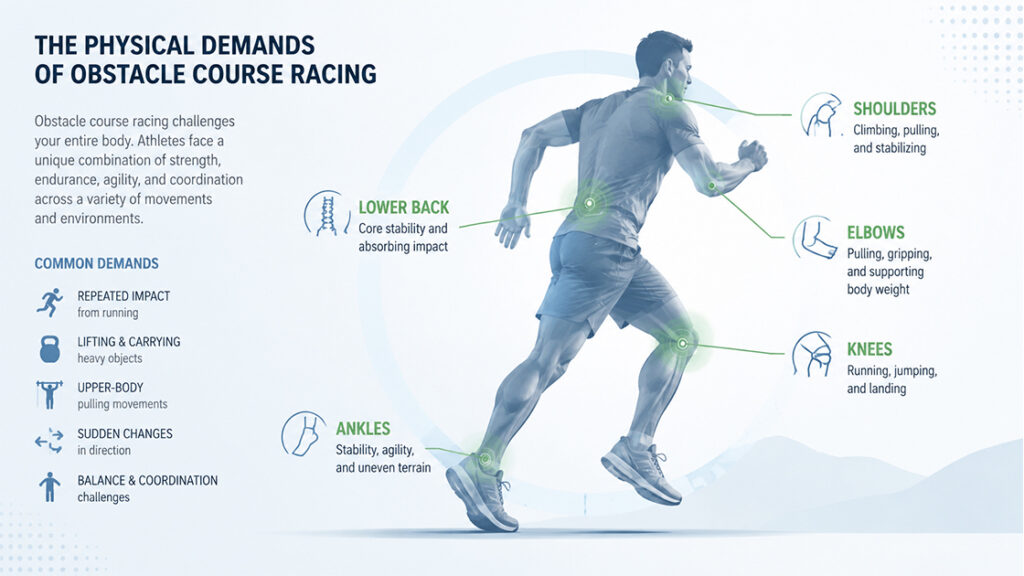
Unlike a single movement sport, obstacle racing involves multiple areas of the body working together. Common physical demands include:
- repeated impact from running
- lifting and carrying heavy objects
- upper-body pulling movements
- sudden changes in direction
- balance and coordination challenges
These activities can contribute to temporary muscle fatigue and physical stress, especially during intensive preparation periods.
For this reason, many obstacle course athletes pay increasing attention to structured recovery routines that support their training goals.
1.2 Common Recovery Challenges Among OCR Athletes
Obstacle course racers often follow demanding training schedules that combine cardiovascular conditioning with resistance exercises. This combination requires proper attention to muscle recovery and overall physical wellness.
Common challenges may include:
- muscle soreness after intense workouts
- joint discomfort after repetitive movements
- stiffness after high-volume training
- physical fatigue during competition preparation
These experiences are part of the challenges associated with high-intensity fitness activities.
Modern sports recovery focuses on helping athletes maintain consistent training routines while supporting overall physical readiness.
1.3 The Growing Interest in Technology-Based Sports Recovery
As fitness communities become more performance-focused, athletes are exploring advanced recovery technologies alongside traditional methods.
Technology-based recovery solutions are becoming more common in:
- sports rehabilitation centers
- athletic training facilities
- fitness performance clinics
Class IV Laser Therapy is one of the technologies used in professional environments to support recovery-focused programs.
Through controlled laser energy applications, this technology provides a non-invasive approach that can be integrated into broader sports recovery strategies.
2. How Class IV Laser Therapy Supports Obstacle Course Training Recovery
Understanding how therapeutic laser technology works helps explain why it has become part of modern sports recovery environments.
2.1 The Role of Deep Tissue Laser Technology in Sports Recovery
Class IV Laser Therapy uses concentrated light energy to interact with targeted tissue areas. In sports and rehabilitation settings, practitioners use this technology as part of recovery-focused care programs.
Deep tissue laser technology is designed to deliver controlled energy into specific areas, allowing professionals to customize applications according to individual needs.
For obstacle course athletes, professional teams may consider laser technology as part of recovery routines related to:
- muscle fatigue management
- physical stress from training
- post-exercise recovery support
The application approach depends on factors such as training intensity, body area, and individual recovery goals.
2.2 Why Recovery Technology Matters for High-Intensity Athletes
Obstacle course racers often train multiple physical abilities at the same time. Maintaining balance between performance improvement and recovery is an important part of long-term athletic development.
Recovery technology can complement traditional approaches such as:
- stretching routines
- mobility exercises
- strength programming
- proper rest
Class IV Laser Therapy provides another option for athletes and professionals who are exploring advanced tools within sports wellness programs.
Rather than replacing fundamental recovery habits, laser technology works as part of a broader approach focused on supporting physical preparation.
2.3 Supporting Different Training Phases With Laser Technology
Obstacle course training usually includes different phases, such as building endurance, improving strength, and preparing for competition events.
Each phase can create different physical demands.
During intense training periods, athletes may focus on maintaining:
- movement quality
- physical comfort
- training consistency
Professional laser technology can be incorporated into recovery plans based on an athlete’s specific situation.
This personalized approach allows sports professionals to consider different factors instead of applying the same recovery method to every athlete.
3. Class IV Laser Therapy Applications in OCR Recovery Programs
As obstacle course racing continues to grow, athletes and training professionals are placing more attention on recovery strategies that support demanding workout schedules. Recovery programs are becoming more structured, combining traditional fitness methods with advanced technologies designed for professional sports environments.
3.1 Supporting Muscle Recovery After High-Intensity Training
Obstacle course training often involves repeated movements that require strength, endurance, and explosive power. Activities such as climbing walls, carrying weighted objects, and completing obstacle circuits can place repeated stress on different muscle groups.
Class IV Laser Therapy is used in professional settings as part of recovery-focused programs that aim to support muscle comfort after intense physical activity.
Athletes may consider therapeutic laser technology as a complementary option alongside:
- mobility training
- stretching programs
- recovery exercises
- proper rest schedules
By integrating different recovery methods, athletes can create a more complete approach to managing the physical demands of extreme fitness training.
3.2 Supporting Joint and Connective Tissue Care in Obstacle Sports
Obstacle course racing requires frequent changes in body position, including jumping, landing, climbing, and crawling. These movements involve different joints and connective tissues throughout the body.
Areas commonly involved in obstacle training may include:
- knees during running and jumping
- shoulders during climbing movements
- elbows during pulling exercises
- ankles during uneven terrain activities
Professional laser technology allows practitioners to focus on specific areas based on an athlete’s training demands.
A customized approach helps ensure that recovery programs match the unique movement patterns found in obstacle course racing.
3.3 The Importance of Recovery Consistency for Competitive OCR Athletes
Competitive obstacle course athletes often train throughout the year, preparing for different race distances and difficulty levels.
Maintaining a consistent recovery routine can become an important part of athletic preparation.
Modern recovery programs may include:
- performance monitoring
- mobility work
- physical conditioning
- professional recovery technologies
Class IV Laser Therapy can be considered as one component within these comprehensive programs.
The focus of modern sports recovery is not only responding to physical challenges but also creating sustainable training habits.
4. Why Sports Professionals Consider Therapeutic Laser Technology
The development of sports technology has changed how athletes approach physical preparation. Coaches, trainers, and rehabilitation professionals increasingly explore tools that can support athletes throughout different stages of training.
4.1 The Role of Laser Technology in Sports Rehabilitation Facilities
Many sports rehabilitation facilities combine multiple approaches to support athlete recovery. These environments may include physical therapy equipment, exercise programs, and technology-based recovery solutions.
Class IV Laser Therapy is often integrated into professional settings because it offers:
- adjustable treatment parameters
- targeted applications
- non-invasive technology
- compatibility with rehabilitation programs
For obstacle course racers, this type of technology can fit into recovery plans designed around their specific training requirements.
Sports professionals evaluate different factors, including training intensity, body condition, and recovery objectives, before selecting suitable approaches.
4.2 How High-Power Laser Technology Fits Into Modern Athletic Care
High-power therapeutic laser systems have become part of the evolution of sports care technology.
Compared with traditional recovery approaches, advanced laser systems provide professionals with additional technical options for customized applications.
Important features of modern therapeutic laser technology may include:
- adjustable energy settings
- different application modes
- targeted treatment areas
These features allow professionals to adapt their approach based on individual athlete needs.
For obstacle course athletes, personalized recovery planning is especially important because every athlete may experience different physical demands depending on training style and competition goals.
4.3 The Growing Connection Between Fitness Performance and Recovery Science
The fitness industry is increasingly recognizing that performance improvement depends not only on training intensity but also on effective recovery management.
Modern athletes are paying more attention to:
- recovery education
- injury prevention strategies
- professional wellness support
- technology-assisted recovery
Class IV Laser Therapy represents part of this broader movement toward science-based fitness management.
As obstacle course racing continues to attract athletes from different backgrounds, recovery technology may continue to play an important role in supporting long-term participation.
5. Building a Modern Recovery Strategy for Obstacle Course Racers
A successful obstacle course training plan requires more than physical preparation. Recovery habits, lifestyle choices, and professional support all contribute to maintaining consistent performance.
5.1 Combining Laser Technology With Traditional Recovery Methods
Class IV Laser Therapy works best as part of a complete recovery approach rather than a standalone solution.
Obstacle course athletes commonly combine different methods, including:
- strength conditioning
- flexibility training
- hydration management
- balanced nutrition
- recovery scheduling
Professional laser technology can be included within these routines to provide an additional recovery-focused option.
By combining technology with fundamental fitness practices, athletes can develop a more balanced approach to managing training demands.
5.2 The Future of Technology-Based Recovery in Extreme Fitness
As extreme fitness events continue to gain popularity, the demand for advanced recovery solutions is expected to increase.
Future sports recovery trends may include:
- personalized recovery programs
- smart fitness technologies
- advanced rehabilitation equipment
- data-supported training strategies
Class IV Laser Therapy represents one example of how technology is becoming integrated into modern athletic care.
For obstacle course racers, adopting a structured recovery mindset can help support long-term involvement in demanding fitness activities.
FAQ
What is Class IV Laser Therapy used for in sports recovery?
Class IV Laser Therapy is used in professional settings as part of recovery-focused programs that support muscle and tissue care after physical activity.
Can obstacle course racers use laser therapy as part of training recovery?
Yes. Many athletes include therapeutic laser technology as one component of a broader recovery routine.
Is Class IV Laser Therapy a replacement for exercise recovery habits?
No. It is generally considered a complementary option alongside proper training, rest, mobility exercises, and healthy lifestyle habits.
Which athletes may consider therapeutic laser technology?
Athletes involved in high-intensity activities, including obstacle course racing, may explore professional recovery technologies based on their individual needs.
Can laser technology be used on different body areas?
Professional practitioners can customize applications according to specific areas involved in athletic training.
الخاتمة
Obstacle course racing requires strength, endurance, coordination, and continuous physical adaptation. Because of these demands, athletes are increasingly exploring advanced recovery strategies that complement traditional training methods. Class IV Laser Therapy provides a technology-based option used in professional sports and rehabilitation environments to support recovery-focused programs. By combining therapeutic laser technology with proper exercise planning, mobility training, and healthy recovery habits, obstacle course racers can develop a more comprehensive approach to managing the physical challenges of extreme fitness training.
References
High Intensity Laser Therapy in Musculoskeletal Disorders: A Review of Therapeutic Applications
https://pubmed.ncbi.nlm.nih.gov/26524966
Photobiomodulation Therapy and Its Role in Sports Medicine
https://www.ncbi.nlm.nih.gov/pmc/articles/PMC5523870
Laser Therapy in Physical Medicine and Rehabilitation
https://www.ncbi.nlm.nih.gov/pmc/articles/PMC4743666
Photobiomodulation: Mechanisms and Clinical Applications in Rehabilitation
https://www.ncbi.nlm.nih.gov/pmc/articles/PMC5215870
Sports Recovery and Rehabilitation Technologies: Current Trends and Future Directions
 English
 العربية
 Français
 日本語
日本語 Português
 Español
 Русский
 Deutsch