

محتويات الصفحة
مقدمة
Temporomandibular joint (TMJ) disorders are common conditions that affect the jaw joint, surrounding muscles, and related facial structures. Many individuals experience jaw discomfort, facial muscle tension, limited jaw movement, or challenges related to daily activities such as chewing and speaking. As wellness and healthcare technologies continue to develop, professionals are exploring advanced non-invasive approaches that can complement traditional care strategies. Class IV Laser Therapy, based on photobiomodulation principles and controlled light energy delivery, has gained attention as a supportive technology for modern wellness and pain management environments. By interacting with biological tissues and supporting natural cellular responses, this laser technology provides another option for professionals who focus on improving comfort, mobility support, and overall quality of life for individuals experiencing TMJ-related concerns.
1. Understanding TMJ Disorders and Modern Pain Management Needs
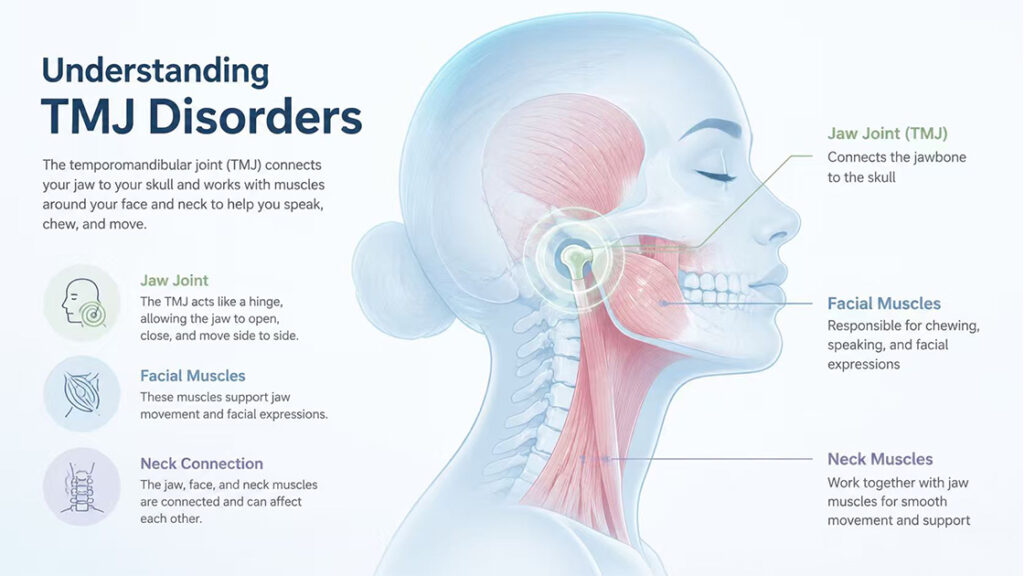
TMJ disorders involve the temporomandibular joint, which connects the jawbone to the skull and allows essential movements such as opening, closing, and side-to-side motion. Understanding the causes and symptoms of TMJ-related concerns helps explain why professionals continue exploring supportive technologies such as العلاج بالليزر من الفئة الرابعة.
1.1 What Are Temporomandibular Joint Disorders?
Temporomandibular joint disorders refer to a group of conditions affecting the jaw joint, facial muscles, and surrounding structures. These conditions may influence daily activities and create discomfort in the jaw area.
Common TMJ-related concerns may include:
- Jaw stiffness
- Facial muscle tension
- Difficulty with comfortable jaw movement
- Clicking or unusual sensations around the jaw area
- Discomfort around the face, neck, or surrounding muscles
The temporomandibular joint plays an important role in everyday functions, including speaking, eating, and facial movement. When the joint or related muscles experience stress, individuals may seek professional support to improve comfort and maintain normal daily activities.
Healthcare and wellness professionals continue exploring different approaches that focus on supporting relaxation, mobility, and tissue wellness as part of comprehensive TMJ management programs.
1.2 Common Factors Associated With TMJ Discomfort
TMJ-related discomfort may involve multiple contributing factors rather than a single cause. The condition can develop through interactions between joint structures, muscle activity, lifestyle habits, and physical stress.
Factors often associated with TMJ concerns include:
- Jaw clenching or teeth grinding
- Stress-related muscle tension
- Repetitive jaw movement
- Posture-related muscle imbalance
- Changes in joint function
The muscles surrounding the jaw are connected with other areas, including the neck and facial structures. Because of this relationship, TMJ management often considers the overall balance of muscles and movement patterns.
Modern wellness and rehabilitation approaches increasingly focus on comprehensive strategies that address comfort, mobility, and personalized care goals.
1.3 Why Non-Invasive Technologies Are Becoming More Popular
Many individuals are interested in supportive approaches that fit into their daily lifestyles. Non-invasive technologies have gained attention because they can often be integrated into professional wellness programs without significant disruption.
Modern pain management environments increasingly focus on:
- Personalized care plans
- Comfort-focused approaches
- Supportive technologies
- Long-term wellness strategies
Class IV Laser Therapy represents one technology option that professionals may incorporate into broader care programs. It does not replace professional evaluation or healthy lifestyle practices but can serve as an additional tool within personalized wellness and recovery-focused environments.
2. How Class IV Laser Therapy Works for TMJ Wellness Support
To understand the potential role of Class IV Laser Therapy in TMJ-focused programs, it is important to explore the technology behind photobiomodulation and how controlled laser energy interacts with biological tissues.
2.1 Understanding Photobiomodulation Technology
Class IV Laser Therapy uses photobiomodulation principles, where specific wavelengths of light interact with cells and tissues. The process involves delivering controlled laser energy to targeted areas to support natural biological responses.
Key concepts related to photobiomodulation include:
- Light energy absorption by tissues
- Cellular activity support
- Mitochondrial function interaction
- Natural tissue response processes
Compared with lower-power light-based technologies, Class IV Laser Therapy systems are designed to deliver higher levels of energy and deeper tissue interaction, making them suitable for professional applications.
In TMJ-focused wellness programs, professionals may consider this technology as part of a broader approach to supporting facial muscle comfort and jaw-area wellness.
2.2 Supporting Facial Muscle Relaxation and Tissue Comfort
The muscles surrounding the temporomandibular joint play an important role in jaw movement and daily function. When these muscles experience repeated stress or tension, individuals may look for approaches that support relaxation and comfort.
Class IV Laser Therapy may be incorporated into wellness programs focusing on:
- Facial muscle relaxation support
- Jaw-area comfort
- Soft tissue wellness
- Recovery after daily physical stress
By providing controlled light energy, laser technology offers professionals another method to complement existing approaches for individuals seeking non-invasive support.
2.3 The Role of Laser Therapy in Personalized TMJ Management
Every individual may experience TMJ-related concerns differently. Factors such as lifestyle habits, activity levels, stress, and physical patterns can influence personal wellness goals.
For this reason, modern TMJ-focused programs often emphasize personalized approaches.
Professional plans may consider:
- Individual symptoms
- Lifestyle factors
- Physical habits
- Overall wellness objectives
Class IV Laser Therapy can be adjusted within professional settings according to individual needs and wellness plans. This flexibility allows practitioners to create more customized experiences while focusing on comfort and functional support.
3. Applications of Class IV Laser Therapy in TMJ-Focused Wellness Programs
As interest in personalized wellness continues to grow, professionals are exploring how advanced technologies can support different aspects of TMJ care environments. Class IV Laser Therapy can be integrated into various programs that focus on improving comfort and supporting daily function.
3.1 Supporting Jaw Mobility and Daily Comfort
Jaw movement is essential for many everyday activities, including eating, speaking, and facial expression. When individuals experience jaw-area discomfort, maintaining comfortable movement may become an important wellness goal.
TMJ-focused programs often include approaches designed to support:
- Jaw flexibility
- Muscle relaxation
- Movement comfort
- Daily functional wellness
Class IV Laser Therapy may serve as a supportive technology within these programs by focusing on areas associated with muscle tension and tissue wellness.
3.2 Supporting Dental and Facial Wellness Professionals
TMJ concerns are often addressed across different professional environments, including dental wellness, rehabilitation, and specialized care settings.
Professionals working with TMJ-related concerns may focus on:
- Jaw function support
- Facial muscle wellness
- Comfort improvement
- Personalized care strategies
Class IV Laser Therapy provides another technology option that can complement professional approaches by expanding available wellness services.
This technology-based approach allows providers to develop more comprehensive programs centered around individual needs and comfort goals.
3.3 Supporting Neck and Facial Muscle Connection
The jaw, face, and neck muscles work together as part of a connected movement system. Tension in one area may influence surrounding structures and overall physical comfort.
For this reason, many wellness programs consider broader muscle balance rather than focusing only on the jaw area.
Class IV Laser Therapy may be included in programs that support:
- Facial muscle wellness
- Neck-area relaxation
- Soft tissue comfort
- Overall movement support
By considering the relationship between connected muscle groups, professionals can create more complete wellness strategies.
4. Why Dental and Wellness Clinics Are Exploring Class IV Laser Therapy for TMJ Support
As demand for personalized and technology-based wellness solutions continues to increase, dental and wellness professionals are exploring advanced tools that can complement existing TMJ-focused services. Class IV Laser Therapy provides another option for clinics that aim to develop modern, comfortable, and comprehensive support programs.
4.1 Expanding Non-Invasive Support Options
Many individuals experiencing TMJ-related discomfort prefer approaches that integrate easily into their daily routines. Non-invasive technologies have become an important part of modern wellness environments because they focus on supporting comfort without creating major lifestyle interruptions.
Class IV Laser Therapy can be incorporated into professional programs that focus on:
- Jaw-area comfort support
- Facial muscle relaxation
- Soft tissue wellness
- Recovery-focused care
By adding advanced laser technology, clinics can provide additional supportive options while maintaining a personalized approach based on individual wellness goals.
4.2 Enhancing Personalized Patient Experiences
Personalization has become an important concept in modern healthcare and wellness services. TMJ-related concerns may vary significantly between individuals, which means professional programs often require flexible approaches.
A personalized TMJ wellness plan may consider:
- Daily habits
- Muscle tension patterns
- Lifestyle factors
- Individual comfort goals
Class IV Laser Therapy allows professionals to adjust treatment parameters according to specific program requirements. This flexibility supports a more individualized experience and helps clinics create structured wellness solutions for different needs.
4.3 Integrating Laser Technology With Comprehensive Care Approaches
TMJ wellness management often involves multiple approaches rather than relying on one single method. Professionals may combine different strategies to support overall comfort and function.
A comprehensive approach may include:
- Professional assessment
- Lifestyle adjustments
- Movement support
- Relaxation techniques
- Technology-based solutions
Class IV Laser Therapy can become part of this broader approach by providing additional support within professional settings. It works alongside other wellness strategies rather than replacing them.
5. The Future of Class IV Laser Therapy in TMJ and Facial Wellness
As technology continues developing, professionals are looking for new ways to improve personalized care experiences. Class IV Laser Therapy represents one example of how photobiomodulation technology is becoming part of modern wellness and pain management discussions.
5.1 The Growing Role of Technology-Based Pain Management
Modern pain management continues moving toward approaches that focus on individual needs, comfort, and long-term wellness goals. Technology-based solutions provide professionals with additional tools to support these evolving expectations.
Future wellness programs may continue combining:
- Advanced therapeutic technologies
- Personalized care planning
- Lifestyle-focused strategies
- Professional guidance
Class IV Laser Therapy may continue to play a role in these environments by offering a technology option designed around controlled energy delivery and tissue wellness support.
5.2 Combining Laser Therapy With Healthy Lifestyle Practices
Technology works best when combined with balanced lifestyle habits. TMJ wellness is often influenced by multiple factors, including stress levels, daily behaviors, posture, and physical routines.
A complete wellness approach may include:
- Healthy daily habits
- Stress management
- Proper movement patterns
- Professional support
Class IV Laser Therapy can complement these approaches by providing an additional option within a broader wellness strategy.
This integrated approach helps create a more balanced framework focused on supporting long-term comfort and quality of life.
5.3 Building the Future of Personalized TMJ Wellness Services
The future of TMJ-focused wellness services will likely continue emphasizing personalization, technology integration, and comprehensive care models.
Advanced technologies such as Class IV Laser Therapy provide clinics with opportunities to expand their service options while responding to changing expectations from individuals seeking modern wellness solutions.
By combining professional knowledge, advanced technology, and personalized approaches, dental and wellness providers can continue developing supportive environments focused on jaw comfort, mobility, and overall well-being.
FAQ
ما هو العلاج بالليزر من الفئة الرابعة؟
Class IV Laser Therapy is a high-power laser technology based on photobiomodulation principles that uses controlled light energy to support tissue wellness and comfort-focused applications.
Can Class IV Laser Therapy help with TMJ discomfort?
Class IV Laser Therapy may support comfort, muscle relaxation, and wellness programs for individuals experiencing TMJ-related discomfort when used as part of a professional approach.
How does Class IV Laser Therapy work?
The technology uses specific wavelengths of light energy that interact with biological tissues and support natural cellular responses.
Is Class IV Laser Therapy a replacement for dental care?
No. It should be considered a complementary technology that works alongside professional evaluation and appropriate care strategies.
Who may use Class IV Laser Therapy for TMJ-focused programs?
Dental professionals, wellness providers, and rehabilitation specialists may incorporate this technology into suitable professional environments.
الخاتمة
Class IV Laser Therapy is becoming an increasingly recognized technology within modern TMJ and wellness-focused environments because of its connection with photobiomodulation, personalized care, and non-invasive support approaches. By using controlled laser energy to interact with biological tissues, this technology provides professionals with another option for supporting jaw comfort, facial muscle relaxation, and overall wellness goals. When combined with professional guidance, healthy lifestyle practices, and personalized management strategies, Class IV Laser Therapy can contribute to the continued development of modern approaches for TMJ-related wellness support.
References
Photobiomodulation Therapy: Mechanisms and Applications
https://www.ncbi.nlm.nih.gov/pmc/articles/PMC4126803
Low-Level Light Therapy and Photobiomodulation: A Review
https://www.ncbi.nlm.nih.gov/pmc/articles/PMC4745417
Temporomandibular Disorders: Clinical and Research Perspectives
https://www.ncbi.nlm.nih.gov/books/NBK557871
Laser Therapy in Rehabilitation and Physical Medicine
https://www.ncbi.nlm.nih.gov/pmc/articles/PMC4743666
Photobiomodulation and Its Role in Tissue Response and Cellular Function
https://www.frontiersin.org/articles/10.3389/fbioe.2019.00307/full
 English
 العربية
 Français
 日本語
日本語 Português
 Español
 Русский
 Deutsch