
محتويات الصفحة
مقدمة
Aging is a natural process that can bring changes to movement patterns, muscle flexibility, and overall physical comfort. For many older adults, maintaining daily mobility becomes an important part of a healthy lifestyle, especially when back discomfort affects regular activities such as walking, standing, or participating in recreational activities. Class IV Laser Therapy has gained attention in rehabilitation and wellness fields as a non-invasive technology that uses advanced photobiomodulation to support tissue function and physical recovery programs. By delivering controlled laser energy to targeted areas, this technology provides an additional approach for individuals who want to support mobility, comfort, and active aging goals while continuing healthy habits such as exercise and proper body care.
1. Understanding Class IV Laser Therapy and Age-Related Back Discomfort
1.1 ما هو العلاج بالليزر من الفئة الرابعة؟
العلاج بالليزر من الفئة الرابعة is a high-power technology based on the principles of photobiomodulation. It uses specific wavelengths of light energy to interact with targeted tissues and support natural biological responses.
Compared with lower-power laser systems, Class IV laser devices provide higher energy output, allowing the technology to reach deeper tissue areas that often play a role in rehabilitation and mobility support.
In modern rehabilitation settings, clinicians commonly explore Class IV Laser Therapy as a supportive technology for individuals experiencing muscle tension, joint discomfort, and mobility challenges. Instead of focusing only on symptoms, practitioners often combine this approach with broader wellness strategies that include movement, physical activity, and personalized rehabilitation plans.
1.2 Why Back Discomfort Becomes a Concern With Aging
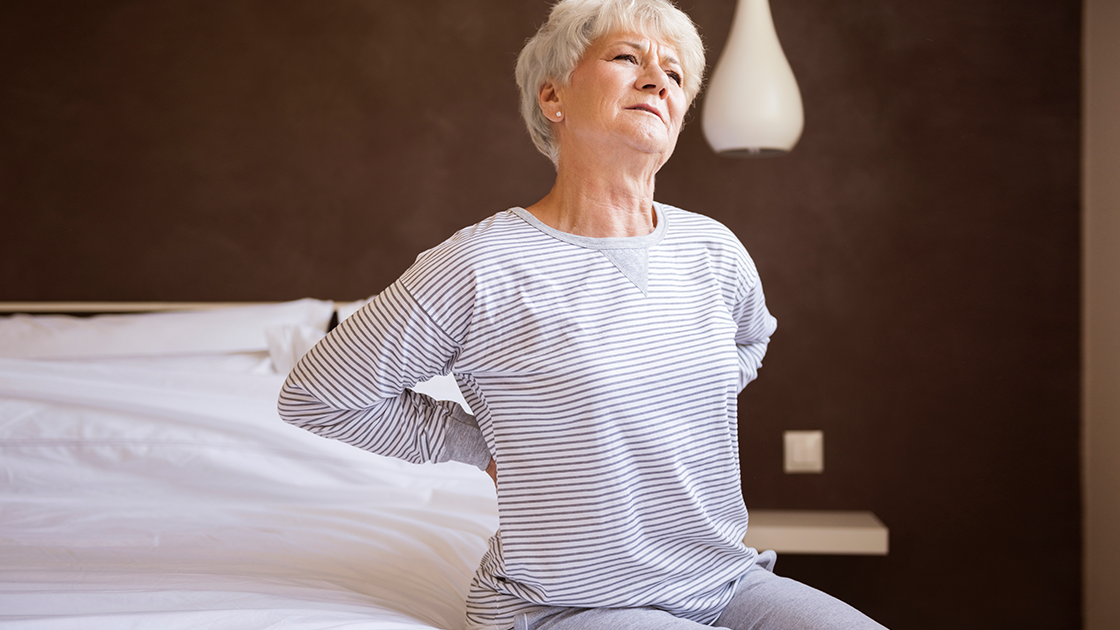
The back plays an important role in supporting posture, balance, and everyday movement. As people get older, natural changes in muscles, connective tissues, and joint structures may influence flexibility and physical comfort. These changes can affect how easily individuals perform daily activities and maintain an active lifestyle.
Clinicians often connect age-related back discomfort with multiple factors, including changes in muscle strength, reduced physical activity, previous physical stress, and lifestyle habits. Because back health involves many different tissues and structures, modern approaches increasingly focus on supporting overall mobility rather than addressing only one specific factor.
Class IV Laser Therapy has become an area of interest because it offers a non-invasive option that practitioners can incorporate into broader rehabilitation and wellness programs.
1.3 How Photobiomodulation Supports Modern Rehabilitation
Photobiomodulation describes the process where specific light energy interacts with biological tissues. In Class IV Laser Therapy, controlled energy is delivered to targeted areas to support cellular activity and tissue responses.
Deep tissue focuses on reaching areas beneath the surface, making it relevant for conditions involving muscles and connective tissues. Manufacturers design the technology around precise energy delivery, allowing professionals to consider different body areas and individual needs.
Research has explored photobiomodulation in areas related to musculoskeletal support, tissue response, and rehabilitation applications, contributing to the continued development of laser-based wellness technologies.
2. Class IV Laser Therapy and Daily Mobility Support
2.1 Supporting Movement Comfort in Aging Adults
Maintaining mobility is one of the most important goals for healthy aging. Simple activities such as walking, household movement, and recreational exercise all depend on comfortable movement patterns and proper physical function.
For individuals experiencing chronic back discomfort, practitioners may consider Class IV Laser Therapy as part of a comprehensive approach that focuses on supporting physical comfort and mobility. The technology provides targeted energy delivery, which allows professionals to address specific areas related to muscle and soft tissue concerns.
Rather than replacing exercise or lifestyle management, laser therapy works as a complementary option that fits into personalized wellness routines.
2.2 The Connection Between Muscle Health and Back Function
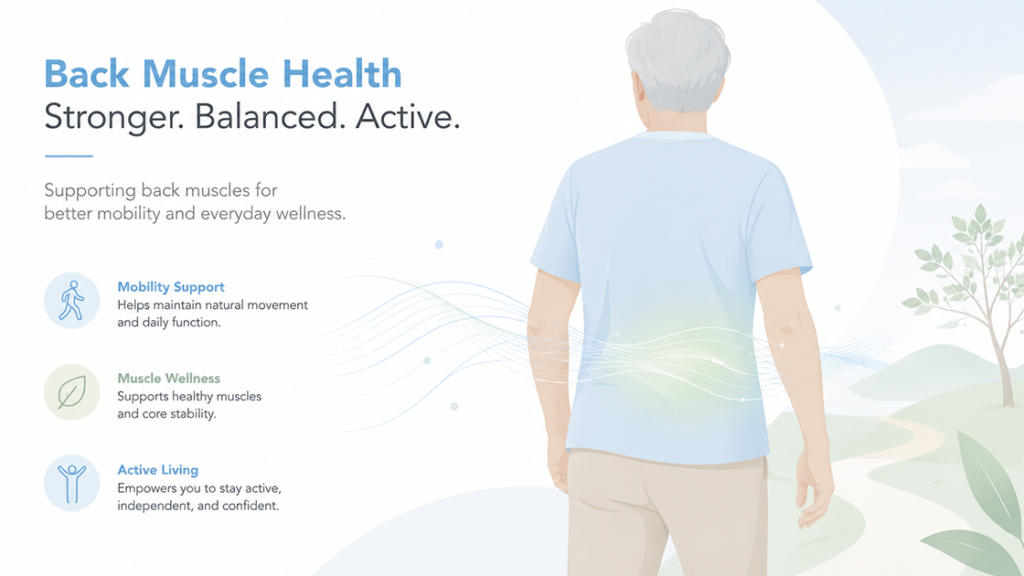
The muscles surrounding the spine provide essential support for posture and movement. When these muscles experience tension or reduced flexibility, daily activities may become more challenging.
Deep tissue laser therapy is often discussed in relation to muscle relaxation support and rehabilitation because it focuses on areas where deeper tissues are involved. For aging adults, maintaining healthy muscle function can play an important role in preserving independence and supporting everyday movement.
Modern rehabilitation approaches increasingly combine different supportive technologies with physical activity to encourage long-term mobility.
2.3 Why Non-Invasive Laser Technology Is Gaining Attention
Many people today are interested in wellness technologies that fit into their existing lifestyle without major disruption. Non-invasive approaches have become increasingly popular because practitioners can incorporate them into rehabilitation and wellness programs while allowing individuals to continue their normal routines.
Class IV Laser Therapy represents one example of how technology is evolving within the field of physical recovery. Its focus on targeted energy, tissue support, and personalized application reflects the broader movement toward customized wellness solutions.
3. Exploring the Role of Class IV Laser Therapy in Back Wellness
3.1 Supporting Soft Tissue Health Around the Back Area
The lower back contains a complex combination of muscles, ligaments, and connective tissues that work together during movement. Supporting the condition of these tissues is an important part of maintaining physical comfort.
Class IV Laser Therapy focuses on delivering concentrated energy to selected areas, which may support rehabilitation programs designed around soft tissue wellness. This makes it a technology of interest for individuals who want additional support while managing age-related physical changes.
A balanced approach that combines movement, proper posture, and supportive technologies can contribute to better long-term mobility habits.
3.2 Combining Laser Therapy With Active Aging Strategies
Active aging involves maintaining physical activity, independence, and quality of life as people grow older. Exercise, stretching, and healthy daily routines remain essential components of this process.
It does not replace these habits but can complement them by providing an additional supportive option within wellness programs. Many rehabilitation professionals focus on combining different approaches to address individual mobility goals.
This integrated approach reflects a shift toward personalized care strategies that consider lifestyle, physical condition, and personal needs.
4. Applications of Class IV Laser Therapy in Rehabilitation Settings
4.1 Supporting Rehabilitation Programs for Mobility Challenges
Rehabilitation programs often focus on helping individuals maintain movement quality and improve daily function. Class IV Laser Therapy can be incorporated into these environments as a supportive technology alongside other rehabilitation approaches.
Because the technology allows targeted energy delivery, practitioners can adapt it to different areas of concern depending on individual conditions and professional assessment.
The growing use of laser technology in rehabilitation reflects increasing interest in non-invasive solutions that support physical wellness.
4.2 The Importance of Personalized Laser Therapy Approaches
Every person experiences aging differently. Factors such as activity level, physical condition, and lifestyle habits influence individual wellness goals.
Personalized approaches allow professionals to consider specific needs rather than applying the same strategy to everyone. Class IV Laser Therapy fits within this trend by providing adjustable energy settings and targeted application options.
Customized rehabilitation strategies continue to become an important direction in modern wellness and physical recovery.
5. The Future of Class IV Laser Therapy for Aging and Mobility
5.1 Growing Interest in Advanced Rehabilitation Technology
As populations continue to focus on healthy aging, technologies that support mobility and physical comfort are receiving more attention. People are increasingly interested in approaches that help them remain active and maintain their daily routines.
Class IV Laser Therapy represents one area of innovation within rehabilitation technology. Its combination of high-power laser energy, photobiomodulation principles, and targeted application makes it an important topic in modern physical wellness discussions.
5.2 How Laser Technology Supports Personalized Wellness Trends
Future rehabilitation technologies are expected to become more personalized and adaptable. Instead of focusing on general solutions, modern approaches increasingly consider individual lifestyle needs and specific mobility goals.
Class IV Laser Therapy follows this trend by offering a technology-based option that can be integrated into customized wellness and rehabilitation programs.
As research and technology continue developing, it may continue to play a role in supporting modern approaches to mobility and physical wellness.
FAQ
ما هو العلاج بالليزر من الفئة الرابعة؟
Class IV Laser Therapy is a high-power photobiomodulation technology that uses controlled laser energy to support tissue responses and rehabilitation programs.
Can Class IV Laser Therapy replace exercise for aging adults?
No. It is designed as a supportive technology and should be combined with healthy movement habits and personalized wellness plans.
Why is Class IV Laser Therapy discussed for back discomfort?
Clinicians often explore this technology in rehabilitation settings because it focuses on targeted energy delivery and may support muscle and tissue recovery programs.
Is Class IV Laser Therapy only used for older adults?
No. Different age groups may explore laser therapy as part of rehabilitation, sports recovery, and wellness programs.
What makes Class IV Laser Therapy different from traditional approaches?
It uses high-power laser energy and photobiomodulation principles, providing a non-invasive technology option within modern rehabilitation environments.
What areas can Class IV Laser Therapy support?
It is commonly discussed for areas involving muscles, joints, and soft tissues, depending on individual needs and professional assessment.
الخاتمة
Class IV Laser Therapy is becoming an increasingly recognized technology in the field of rehabilitation and active aging. For individuals experiencing age-related back discomfort and mobility challenges, this non-invasive approach offers additional support alongside exercise, physical activity, and healthy lifestyle habits. Through photobiomodulation, deep tissue laser technology, and personalized application methods, Class IV Laser Therapy reflects the growing trend toward customized wellness solutions designed to help people maintain movement, comfort, and quality of life as they age.
References
Photobiomodulation Therapy in Musculoskeletal Disorders: A Review
https://www.ncbi.nlm.nih.gov/pmc/articles/PMC4743666
Photobiomodulation Therapy and Its Effects on Cellular Function
https://www.ncbi.nlm.nih.gov/pmc/articles/PMC5215879
Low-Level Laser Therapy and Chronic Pain Management: Mechanisms and Applications
https://pubmed.ncbi.nlm.nih.gov/28691750
The Effects of Photobiomodulation on Tissue Repair and Recovery
https://www.ncbi.nlm.nih.gov/pmc/articles/PMC5523874
Laser Therapy in Rehabilitation and Physical Medicine
 English
 العربية
 Français
 日本語
日本語 Português
 Español
 Русский
 Deutsch