
محتويات الصفحة
مقدمة
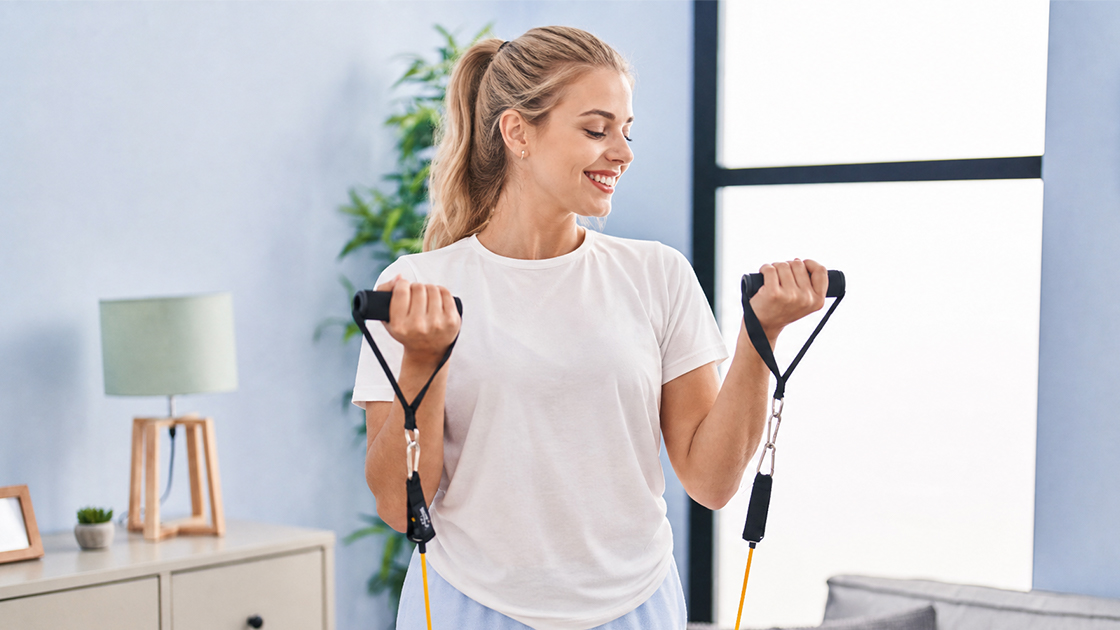
Post-surgical rehabilitation is an important stage that focuses on helping the body gradually return to normal movement, strength, and daily function. During this period, many patients and healthcare professionals explore supportive technologies that may help improve comfort, encourage tissue recovery, and complement traditional rehabilitation methods. Class IV Laser Therapy has gained attention in rehabilitation settings because it uses concentrated light energy to interact with biological tissues through a process known as photobiomodulation. By delivering specific wavelengths and controlled energy levels to targeted areas, this technology may support cellular activity, circulation, and overall tissue recovery processes during the rehabilitation journey. This article explains how العلاج بالليزر من الفئة الرابعة fits into post-surgical rehabilitation, the science behind its applications, and why it has become a valuable tool for modern recovery environments.
1. Understanding Post-Surgical Rehabilitation and Tissue Recovery
After surgery, the body naturally begins a complex recovery process involving inflammation response, tissue repair, and gradual restoration of movement. Rehabilitation programs often combine multiple approaches to support this process, and advanced technologies such as Class IV Laser Therapy are becoming part of modern recovery strategies.
1.1 Why Tissue Recovery Support Matters After Surgery
Surgical procedures create controlled changes within the body, and surrounding tissues need time to adapt and recover. During the recovery phase, patients may experience temporary discomfort, limited mobility, stiffness, or reduced function around the affected area.
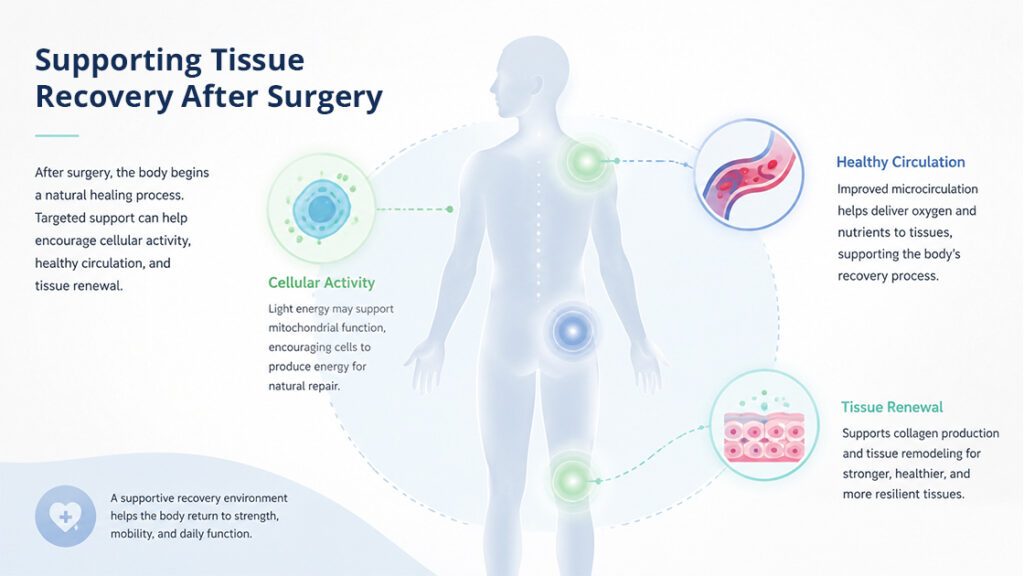
The body relies on natural biological processes involving cells, blood circulation, collagen formation, and tissue remodeling. Supporting these processes is an important part of rehabilitation because proper recovery involves more than simply reducing discomfort.
Class IV Laser Therapy is used as a supportive technology in rehabilitation environments because it focuses on stimulating natural cellular responses through light energy. It does not replace surgical care or professional rehabilitation plans but can be incorporated as part of a broader recovery approach.
1.2 Common Challenges During the Rehabilitation Process
Post-surgical rehabilitation can involve several challenges, including maintaining mobility, managing temporary discomfort, and encouraging proper tissue function. These challenges may vary depending on the type of surgery, the body area involved, and individual recovery goals.
Physical therapists and rehabilitation professionals often focus on restoring movement patterns, improving strength, and supporting functional activities. Technologies that complement these goals can provide additional options for personalized rehabilitation programs.
Class IV Laser Therapy provides a non-invasive approach that focuses on targeted areas, making it suitable for rehabilitation settings where controlled tissue support is needed.
1.3 The Role of Advanced Technology in Modern Rehabilitation
Modern rehabilitation continues to evolve as healthcare professionals explore new technologies that support traditional methods. Equipment based on light therapy, electrical stimulation, and other non-invasive approaches has become increasingly common in rehabilitation environments.
Class IV Laser Therapy represents one example of how technology can support recovery-focused care. Through controlled light delivery, it interacts with tissue at a cellular level and provides another option for professionals developing rehabilitation strategies.
As rehabilitation becomes more personalized, technologies that offer targeted applications continue to gain attention among healthcare providers.
2. How Class IV Laser Therapy Supports the Recovery Process
Class IV Laser Therapy works through photobiomodulation, a process where specific wavelengths of light interact with cellular structures. This interaction may influence cellular activity and support biological responses related to tissue recovery.
2.1 The Science Behind Photobiomodulation and Cellular Response
Photobiomodulation describes the interaction between light energy and biological tissues. When laser light reaches targeted tissues, photons may be absorbed by cellular components, particularly mitochondria.
Mitochondria are responsible for producing adenosine triphosphate (ATP), which provides energy for cellular functions. By influencing mitochondrial activity, photobiomodulation may support cellular processes involved in tissue maintenance and recovery.
Class IV Laser Therapy uses higher power levels compared with lower-level laser approaches, allowing energy to reach deeper tissue areas. This makes it suitable for rehabilitation applications involving muscles, joints, and soft tissue structures.
2.2 The Importance of Wavelength Selection in Laser Therapy
Different wavelengths interact with biological tissues in different ways. Near-infrared wavelengths are commonly used in therapeutic laser applications because they can penetrate beyond the surface layers of the skin.
The ability of laser energy to reach deeper tissues allows professionals to target areas that may be involved in post-surgical rehabilitation. Selecting appropriate wavelengths and energy settings is an important part of creating an effective application strategy.
Advanced Class IV Laser Therapy systems often provide adjustable parameters, allowing professionals to customize applications based on rehabilitation goals and patient needs.
2.3 How Laser Energy Interacts With Circulation and Tissue Environment
Circulation plays an important role in tissue recovery because blood flow helps transport oxygen and nutrients throughout the body. Light-based therapy may influence local biological responses associated with circulation and tissue environment.
By supporting cellular activity and local circulation responses, Class IV Laser Therapy can complement rehabilitation approaches that focus on restoring function and mobility.
This technology works alongside other rehabilitation methods rather than replacing movement exercises, physical therapy techniques, or professional guidance.
3. Applications of Class IV Laser Therapy in Post-Surgical Rehabilitation
Class IV Laser Therapy can be used in various rehabilitation environments where professionals focus on supporting tissue recovery and improving patient comfort. Its applications can vary depending on the surgical area and rehabilitation objectives.
3.1 Supporting Recovery After Orthopedic Procedures
Orthopedic surgeries often involve bones, joints, muscles, tendons, or ligaments. Rehabilitation after these procedures commonly focuses on restoring movement, improving strength, and supporting functional recovery.
Class IV Laser Therapy may be incorporated into orthopedic rehabilitation programs to support soft tissue comfort and cellular activity around targeted areas.
Common rehabilitation areas may include the knee, shoulder, hip, back, and other musculoskeletal regions where patients may experience temporary stiffness or discomfort during recovery.
3.2 Supporting Soft Tissue Recovery After Procedures
Soft tissues such as muscles, tendons, and connective tissues play an important role in movement and stability. After surgery, these structures may require gradual rehabilitation to regain normal function.
Laser therapy applications focus on delivering controlled light energy to specific areas where tissue support is desired. This approach may complement stretching, strengthening exercises, and other rehabilitation techniques.
By addressing targeted soft tissue areas, Class IV Laser Therapy can become part of a comprehensive recovery plan designed around individual needs.
3.3 Supporting Mobility During Rehabilitation Programs
Mobility is often a key focus after surgery. Limited movement during recovery may affect muscle function and daily activities.
Rehabilitation professionals use various approaches to help patients gradually improve movement patterns. Class IV Laser Therapy may support these programs by providing an additional non-invasive option focused on tissue response.
Combining technology with structured rehabilitation exercises allows recovery programs to address multiple aspects of physical function.
4. Why Healthcare Professionals Use Class IV Laser Therapy
Healthcare professionals continue to explore Class IV Laser Therapy because it offers targeted application, adjustable settings, and compatibility with different rehabilitation environments.
4.1 Benefits of Targeted Laser Applications in Rehabilitation Settings
One advantage of Class IV Laser Therapy is the ability to focus energy on specific body areas. Targeted application allows professionals to consider the location, size, and characteristics of the recovery area.
Compared with general recovery approaches, localized laser applications provide a more focused method of supporting rehabilitation goals.
This makes the technology suitable for physical therapy clinics, rehabilitation centers, and sports recovery environments.
4.2 Combining Laser Therapy With Traditional Rehabilitation Methods
Successful rehabilitation usually involves multiple strategies, including therapeutic exercises, mobility training, strengthening programs, and lifestyle adjustments.
Class IV Laser Therapy works as a complementary technology within these programs. It can be combined with professional rehabilitation techniques to create a more complete recovery approach.
By integrating different methods, healthcare professionals can develop rehabilitation plans that focus on individual recovery requirements.
5. Choosing Class IV Laser Therapy for Rehabilitation Environments
As more rehabilitation facilities adopt advanced technologies, understanding key considerations becomes important when selecting laser therapy solutions.
5.1 Important Features Professionals Consider
Healthcare professionals often evaluate factors such as wavelength options, power levels, treatment flexibility, and ease of use when considering laser therapy technology.
Systems designed for rehabilitation environments typically focus on providing controlled energy delivery and adaptable settings for different applications.
Understanding these features helps professionals choose technology that aligns with their clinical environment and rehabilitation objectives.
5.2 The Future of Laser Technology in Recovery Support
Laser technology continues to develop as rehabilitation professionals seek more personalized and efficient approaches to supporting recovery.
Advancements in photobiomodulation, energy control, and application methods may continue expanding the role of therapeutic lasers in rehabilitation.
Class IV Laser Therapy represents one direction in modern recovery technology, combining scientific principles with practical applications in physical rehabilitation settings.
FAQ
ما هو العلاج بالليزر من الفئة الرابعة؟
Class IV Laser Therapy is a high-power light therapy technology that uses specific wavelengths to support cellular responses in targeted tissues.
Can Class IV Laser Therapy replace physical rehabilitation?
No. It is designed as a supportive technology that can complement professional rehabilitation programs.
How does Class IV Laser Therapy work after surgery?
It uses photobiomodulation to interact with cells and support natural tissue recovery processes.
What areas can use Class IV Laser Therapy?
It may be used in rehabilitation settings for areas such as joints, muscles, tendons, and soft tissues.
Is Class IV Laser Therapy non-invasive?
Yes. It is a non-invasive approach that applies light energy externally to targeted areas.
الخاتمة
Class IV Laser Therapy has become an increasingly recognized technology in post-surgical rehabilitation because of its ability to provide targeted light-based support for tissue recovery processes. Through photobiomodulation, controlled wavelengths, and focused energy delivery, this technology may complement traditional rehabilitation approaches by supporting cellular activity, circulation responses, and overall tissue comfort. While rehabilitation outcomes depend on many individual factors, Class IV Laser Therapy offers healthcare professionals an additional tool for developing modern recovery programs. As rehabilitation continues to evolve toward more personalized care, advanced laser technology will remain an important area of interest in supporting patient recovery journeys.
References
Photobiomodulation Therapy: A Review of the Molecular Evidence
https://www.ncbi.nlm.nih.gov/pmc/articles/PMC5215877
Mechanisms and Applications of Photobiomodulation Therapy
https://www.ncbi.nlm.nih.gov/pmc/articles/PMC4743666
Low-Level Laser Therapy and Tissue Repair: Mechanisms and Clinical Applications
https://www.ncbi.nlm.nih.gov/pmc/articles/PMC5523874
Photobiomodulation in Rehabilitation and Sports Medicine
https://www.ncbi.nlm.nih.gov/pmc/articles/PMC6171243
The Effects of Laser Therapy on Pain and Tissue Recovery
 English
 العربية
 Français
 日本語
日本語 Português
 Español
 Русский
 Deutsch