
محتويات الصفحة
مقدمة
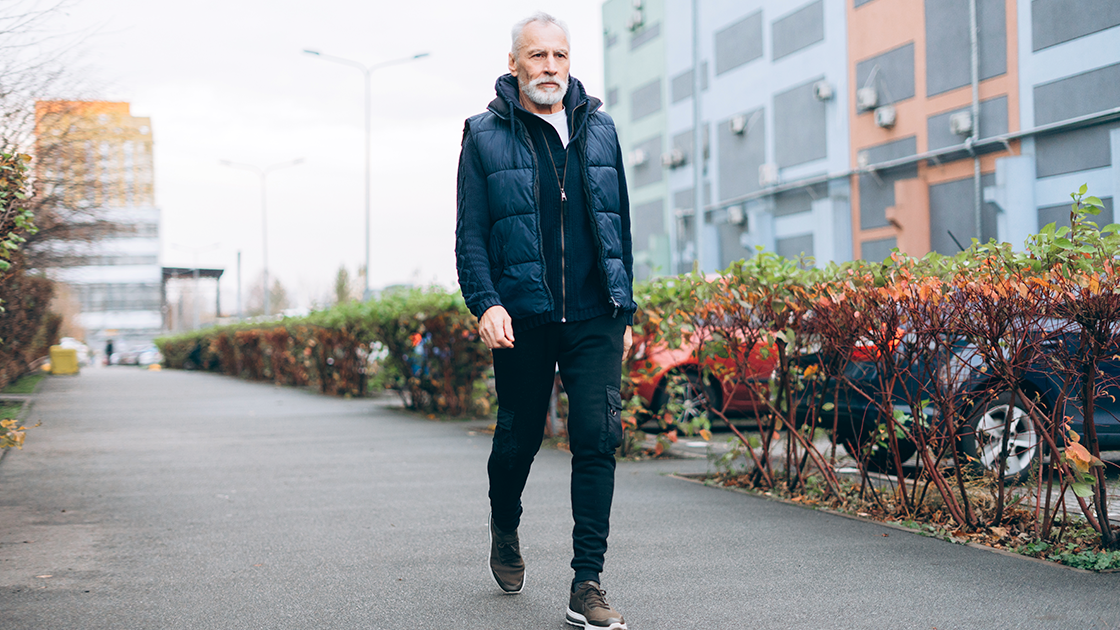
Knee osteoarthritis is one of the most common degenerative joint conditions affecting older adults worldwide. As people age, the gradual breakdown of articular cartilage in the knee joint can lead to stiffness, pain, inflammation, and reduced mobility. However, many older adults today remain physically active and wish to maintain their independence, whether through walking, recreational sports, gardening, or other daily activities. For these individuals, chronic knee pain can significantly affect quality of life. While conventional treatments such as pain medication, physical therapy, and joint injections can provide temporary relief, interest in non-invasive therapies has grown in recent years. العلاج بالليزر من الفئة الرابعة has emerged as a promising option in rehabilitation medicine and sports therapy. By using high-power therapeutic laser energy to stimulate cellular repair and reduce inflammation through photobiomodulation, this treatment may help active seniors manage knee osteoarthritis and maintain a more active lifestyle.
1 Understanding Knee Osteoarthritis in Active Seniors
Before discussing how laser therapy may support symptom management, it is important to understand the biological mechanisms of knee osteoarthritis and why this condition frequently affects older adults who remain physically active.
1.1 What Is Knee Osteoarthritis
Knee osteoarthritis is a degenerative joint disease characterized by the progressive breakdown of articular cartilage within the knee joint. Cartilage serves as a protective cushion between bones, allowing smooth movement and absorbing mechanical stress during activities such as walking, climbing stairs, or standing. Over time, aging, mechanical stress, and metabolic factors can lead to cartilage deterioration. As cartilage becomes thinner or damaged, the bones in the joint may begin to rub against each other, causing pain, inflammation, and reduced joint mobility. In addition to cartilage degeneration, osteoarthritis can involve changes in surrounding tissues, including the synovial membrane, ligaments, and subchondral bone. These structural changes contribute to joint stiffness, swelling, and decreased function, making everyday movements increasingly difficult for older adults.
1.2 Common Symptoms of Knee Osteoarthritis
The symptoms of knee osteoarthritis often develop gradually and worsen over time. One of the most common signs is persistent knee pain that may increase during physical activity or after prolonged standing. Many individuals also experience joint stiffness, especially in the morning or after long periods of inactivity. Swelling and inflammation around the knee joint may occur due to synovial fluid buildup and inflammatory processes within the joint capsule. Some patients report a grinding or cracking sensation, medically referred to as crepitus, during movement. As the disease progresses, reduced range of motion and joint instability may make activities such as walking, bending, or climbing stairs more difficult. These symptoms can significantly affect mobility and independence in older adults who wish to remain active.
1.3 Why Active Seniors Are Affected
Although osteoarthritis is commonly associated with aging, physically active seniors may also experience knee joint degeneration due to cumulative mechanical stress. Years of activities such as running, hiking, sports participation, or physically demanding occupations can place repeated stress on the knee joint. While regular exercise provides important benefits for cardiovascular health and muscle strength, excessive joint loading over time may accelerate cartilage wear in susceptible individuals. Other contributing factors include previous knee injuries, obesity, genetic predisposition, and biomechanical abnormalities such as misalignment of the knee joint. For active seniors, maintaining mobility is essential for preserving independence and overall well-being. Therefore, finding safe and effective treatments that reduce pain while supporting joint function is particularly important for this population.
2 What Is Class IV Laser Therapy
Advances in rehabilitation technology have introduced new treatment options for musculoskeletal conditions, including osteoarthritis. One such innovation is Class IV laser therapy, a high-power form of photobiomodulation used to stimulate cellular repair and reduce inflammation.
2.1 The Science Behind Photobiomodulation
Photobiomodulation is a biological process in which specific wavelengths of light interact with cellular components to stimulate physiological changes. In Class IV laser therapy, near-infrared wavelengths penetrate deep into biological tissues and are absorbed by mitochondrial chromophores within cells. A key molecule involved in this process is cytochrome c oxidase, an enzyme in the mitochondrial respiratory chain. When stimulated by laser light, this enzyme enhances the production of adenosine triphosphate (ATP), which provides energy for cellular functions. Increased ATP production supports tissue repair, cell regeneration, and improved metabolic activity. In addition, photobiomodulation may influence inflammatory pathways, reducing pro-inflammatory cytokines and promoting anti-inflammatory responses. These combined effects help create a more favorable environment for healing within damaged joint tissues.
2.2 Differences Between Class IV Lasers and Low-Level Laser Therapy
Laser therapy devices used in clinical settings vary in their power output and tissue penetration capabilities. Low-level laser therapy (LLLT), sometimes referred to as cold laser therapy, operates at relatively low power levels and is typically used for superficial tissue conditions. In contrast, Class IV lasers produce significantly higher output power, often exceeding 500 milliwatts, allowing deeper penetration into muscles, ligaments, and joint structures. This higher energy delivery enables clinicians to treat larger areas and reach deeper tissues such as the knee joint capsule and surrounding musculature. Because osteoarthritis affects structures located beneath multiple tissue layers, the deeper penetration of Class IV lasers may enhance therapeutic effectiveness compared to lower-power devices.
2.3 Clinical Applications in Rehabilitation Medicine
Class IV laser therapy has become increasingly common in physical therapy clinics, chiropractic practices, and sports medicine facilities. It is used to manage a wide range of musculoskeletal conditions, including tendon injuries, ligament sprains, muscle strains, and chronic joint pain. In osteoarthritis treatment, laser therapy is often combined with other rehabilitation approaches such as therapeutic exercise, manual therapy, and biomechanical correction. The goal is to reduce inflammation, support tissue repair, and improve joint mobility while minimizing reliance on pharmacological treatments. For older adults who may be sensitive to long-term medication use, non-invasive therapies such as laser treatment can play an important role in comprehensive pain management strategies.
3 How Class IV Laser Therapy Helps Knee Osteoarthritis
Understanding the biological mechanisms behind laser therapy helps explain how this technology may provide relief for individuals with knee osteoarthritis. By targeting inflammation, stimulating tissue regeneration, and improving circulation, laser therapy addresses multiple aspects of joint degeneration.
3.1 Reducing Inflammation in the Knee Joint
Inflammation is a key contributor to pain and joint dysfunction in osteoarthritis. The degeneration of cartilage can trigger inflammatory responses in the synovial membrane, leading to swelling, discomfort, and stiffness within the joint. Class IV laser therapy may help modulate these inflammatory processes by reducing the production of pro-inflammatory mediators such as prostaglandins and cytokines. At the same time, laser stimulation can increase the release of anti-inflammatory substances that help regulate immune responses within the joint environment. By decreasing inflammation, laser therapy may reduce pain and improve joint comfort, allowing patients to move more freely during daily activities.
3.2 تحفيز إصلاح الأنسجة والتجدد الخلوي
Although osteoarthritis involves structural damage to cartilage, certain biological processes may still support tissue repair and joint maintenance. Class IV laser therapy stimulates fibroblasts, chondrocytes, and other cells involved in tissue regeneration. Enhanced cellular activity promotes the production of collagen and extracellular matrix components that contribute to joint stability. Increased ATP production also provides energy for cellular metabolism, accelerating repair processes in surrounding tissues such as ligaments, tendons, and joint capsules. While laser therapy cannot fully regenerate severely damaged cartilage, it may help improve the health of surrounding tissues and support functional recovery.
3.3 Improving Blood Flow and Joint Function
Adequate blood circulation is essential for maintaining healthy tissues and removing metabolic waste products from injured areas. In osteoarthritis, reduced mobility and inflammation may impair microcirculation around the joint. Class IV laser therapy can promote vasodilation, increasing blood flow to the treated area. Improved circulation delivers oxygen and nutrients necessary for tissue repair while helping remove inflammatory byproducts. In addition, increased blood flow can reduce muscle tension in surrounding structures such as the quadriceps and hamstrings, which often become tight when knee pain limits movement. By improving circulation and reducing muscle stiffness, laser therapy may enhance overall joint function and mobility.
4 What to Expect During a Class IV Laser Therapy Session
For many patients, understanding the treatment process helps reduce uncertainty and improves comfort when considering a new therapy.
4.1 The Treatment Procedure
During a Class IV laser therapy session, the patient usually sits or lies comfortably while a trained clinician applies a handheld laser device to the affected knee. The practitioner slowly moves the laser probe across the treatment area to deliver controlled light energy to the tissues. Each session typically lasts between five and fifteen minutes depending on the treatment protocol. Patients often experience a mild warming sensation as the laser penetrates the tissue. The procedure is non-invasive and does not require anesthesia or recovery time, allowing patients to resume their normal activities immediately afterward.
4.2 Treatment Frequency and Duration
The number of sessions required varies depending on the severity of osteoarthritis and the patient’s individual response to therapy. Many clinicians recommend an initial treatment series of several sessions per week for the first few weeks. As symptoms improve, the frequency of sessions may gradually decrease. Some individuals notice improvement in pain levels after only a few treatments, while others may require a longer therapy course. Regular evaluation by healthcare professionals helps determine the most appropriate treatment schedule.
4.3 Combining Laser Therapy with Other Treatments
Class IV laser therapy is often used as part of a comprehensive rehabilitation program rather than a standalone treatment. Physical therapy exercises can strengthen muscles around the knee, improving joint stability and reducing mechanical stress on cartilage. Weight management strategies may also help reduce joint loading, particularly in individuals with obesity. Orthopedic supports such as knee braces or shoe inserts can further improve alignment and distribute pressure more evenly across the joint. When combined with these supportive therapies, laser treatment may contribute to improved mobility and long-term symptom management.

5 Benefits of Class IV Laser Therapy for Active Seniors
Compared with some traditional treatment approaches, laser therapy offers several advantages that make it particularly attractive for older adults who wish to remain physically active.
5.1 Non-Invasive and Drug-Free Pain Relief
One of the primary benefits of Class IV laser therapy is that it provides pain relief without the need for surgical procedures or long-term medication use. Many older adults are cautious about prolonged use of nonsteroidal anti-inflammatory drugs (NSAIDs) because of potential side effects on the stomach, kidneys, or cardiovascular system. Laser therapy offers an alternative approach that focuses on stimulating natural healing processes within the body.
5.2 Supporting Mobility and Active Lifestyles
Maintaining mobility is essential for preserving independence and overall health in older adults. By reducing pain and inflammation, laser therapy may allow active seniors to continue participating in activities such as walking, swimming, cycling, or recreational sports. Regular physical activity also helps strengthen muscles, improve balance, and maintain cardiovascular health, creating a positive cycle of improved physical function.
5.3 Complementary Role in Long-Term Joint Health
Although laser therapy is not a cure for osteoarthritis, it may play a valuable role in long-term joint health management. By supporting tissue repair, reducing inflammation, and improving circulation, the therapy can complement other rehabilitation strategies aimed at preserving joint function. For active seniors seeking non-invasive treatment options, Class IV laser therapy represents an innovative approach within modern pain management and rehabilitation medicine.
FAQ
Is Class IV laser therapy safe for knee osteoarthritis?
When administered by trained professionals, laser therapy is generally considered safe and non-invasive with minimal side effects.
How many treatments are needed for knee osteoarthritis?
Many patients undergo several sessions over a few weeks, although treatment plans vary depending on individual conditions.
Does the treatment hurt?
Most patients experience only mild warmth during treatment, and the procedure is typically painless.
Can seniors continue exercising during treatment?
In many cases, healthcare providers encourage gentle exercise and physical therapy alongside laser therapy to maintain joint mobility.
How quickly can results appear?
Some individuals report reduced pain after a few sessions, while others may require several weeks of treatment to notice significant improvements.
الخاتمة
Knee osteoarthritis can present significant challenges for active seniors who wish to maintain mobility and independence. While traditional treatments focus primarily on symptom management, Class IV laser therapy introduces a modern, non-invasive approach that targets inflammation, cellular repair, and improved circulation through photobiomodulation. By supporting the body’s natural healing processes, this therapy may help reduce knee pain and improve joint function in individuals with osteoarthritis. When combined with physical therapy, exercise, and lifestyle modifications, laser therapy can play a valuable role in comprehensive rehabilitation programs designed to help older adults remain active and maintain a higher quality of life.
References
Photobiomodulation Therapy in the Treatment of Musculoskeletal Disorders
https://www.ncbi.nlm.nih.gov/pmc/articles/PMC5523874
The Role of Laser Therapy in Musculoskeletal Rehabilitation
https://www.ncbi.nlm.nih.gov/pmc/articles/PMC4743666
Osteoarthritis: Pathophysiology and Treatment
https://www.ncbi.nlm.nih.gov/books/NBK507884
Plantar and Knee Joint Degenerative Conditions Overview
 English
 العربية
 Français
 日本語
日本語 Português
 Español
 Русский
 Deutsch